




Mid Century Abstract Painting
Mid century abstract painting brings together bold forms, rich textures and experimental mark-making from the nineteen thirties to the nineteen sixties.
Mid Century Abstract Painting
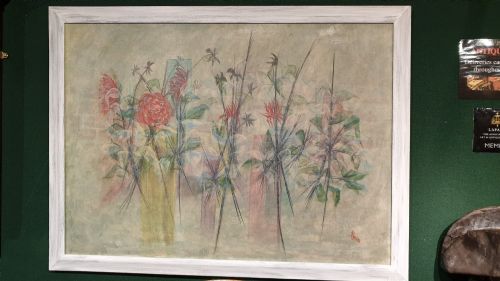
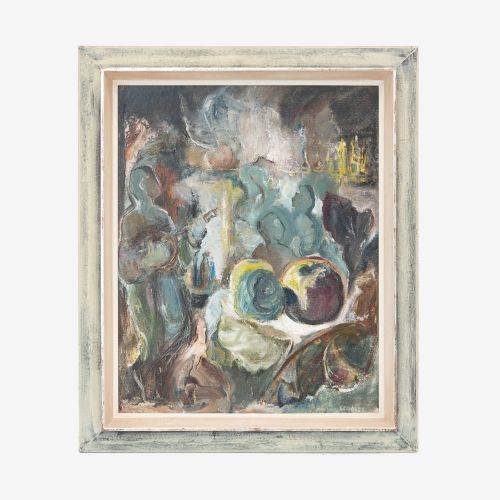
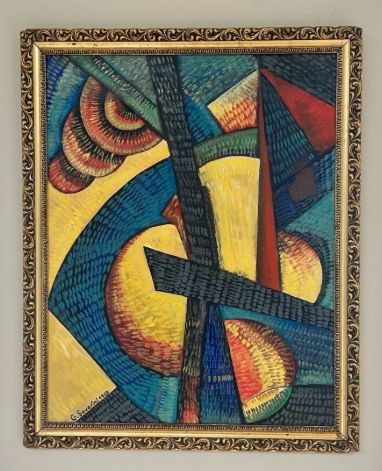
When you search for mid century abstract painting, you encounter original canvases, boards and paper works that capture the shift away from strict realism towards expressive form and colour. These works range from vibrant French gouaches and Cornish coastal scenes to geometric compositions and gestural still lifes.
The pieces on this page lean heavily into mid-century modernism, expressionism and cubist abstraction created between the nineteen thirties and the nineteen sixties. You will frequently find cityscapes, landscapes and figurative studies reduced to blocks of pigment, thick impasto textures and rhythmic lines.
How They Were Made
Artists built these compositions primarily using oil paint, acrylic and gouache applied to stretched canvas, wooden board or heavy paper. Many works incorporate thick impasto techniques where pigment is laid on densely with brushes or palette knives to create physical relief.
Support materials varied according to studio practice and availability, with wood board and canvas providing sturdy grounds for vigorous brushwork. Mixed media and ink also appear alongside traditional oil and gouache, supporting experimental textures and flat planes of colour.
Mid Century Abstract Painting Retail Price Guide 2026
Typical asking prices for mid century abstract painting among the pieces listed under this phrase on Sellingantiques today, from the lower quarter to the upper quarter. They describe what is for sale here now, not the wider market.
Listings feature works executed on canvas, board and paper using oil paint, gouache and acrylic.
What Varies in Quality
The strength of a composition rests on the balance of colour harmonies and the confidence of the brushwork. Masterful pieces show a deliberate control over tension between positive and negative space, whether the style is strict geometric abstraction or loose expressionist gesture.
Provenance and documentation elevate certain works, particularly those linked to recognised regional groups such as the St Ives school or established European salons. The execution of surface texture, from smooth gouache washes to sculpted impasto layers, distinguishes accomplished studio output from more derivative exercises.
Denis Mitchell·Raymond Picque·William Littlejohn·William McCance·Adrian Heath·Lester Epstein·Antonio Ferri·Richards Rubin
The Mid Century Abstract Painting Glossary
- Impasto
- Paint applied thickly to a canvas or board so that it stands out from the surface in relief. This technique allows brush or knife marks to retain their physical dimension.
- Gouache
- An opaque water-based paint that dries to a matte, velvety finish. It was frequently utilised on paper for vibrant modernist sketches and studies.
- Cubism
- An early twentieth century art movement that broke subjects down into geometric shapes and multiple viewpoints. Mid-century variants apply this fragmentation to landscapes, interiors and still lifes.
- Provenance
- The chronology of the ownership of a painting, providing a documented history that helps verify authenticity. Strong provenance often connects a piece to specific exhibitions or artist circles.
Mid Century Abstract Painting: Frequently Asked Questions
What defines a mid century abstract painting?
These works reject strict visual realism in favour of simplified forms, expressive brushwork and experimental colour palettes. They reflect the dominant modernist movements circulating through European and British art circles from the nineteen thirties to the sixties.
Subjects are typically drawn from landscapes, cityscapes, still lifes and the human figure, rendered through flattened perspectives, geometric structures or energetic gestural marks.
How do I care for an oil painting on canvas?
Keep paintings away from direct sunlight, high humidity and dramatic temperature fluctuations to protect the canvas and the underlying support structure. Dust the surface very gently with a soft, dry brush without applying pressure.
Avoid using any moisture or cleaning solutions on the paint layer. If structural repairs or deep cleaning become necessary, consult a professional conservator.
How can I tell the difference between decades?
Paintings from the nineteen thirties and forties often lean towards muted tonal palettes, structured cubist influences and softer modernist interpretations. By the nineteen fifties and sixties, compositions frequently embrace bolder acrylics, vibrant op-art geometries and heavier impasto textures.
Examining the materials, framing methods and any dated signatures or inscriptions on the reverse will also help anchor a piece within its specific decade.
Where were these paintings created?
The works originate from active artistic hubs across Britain and continental Europe, including notable coastal communities and urban studios. Pieces frequently tie into regional movements such as the St Ives school in Cornwall or Parisian avant-garde circles.
This geographic diversity introduces distinct local character, ranging from Mediterranean light to Atlantic coastal moods.