


Mid Century Oil Canvas
A mid century oil canvas brings the vibrant artistic experimentation of the nineteen-fifties and sixties straight onto your wall.
Understanding Mid Century Oil Canvas
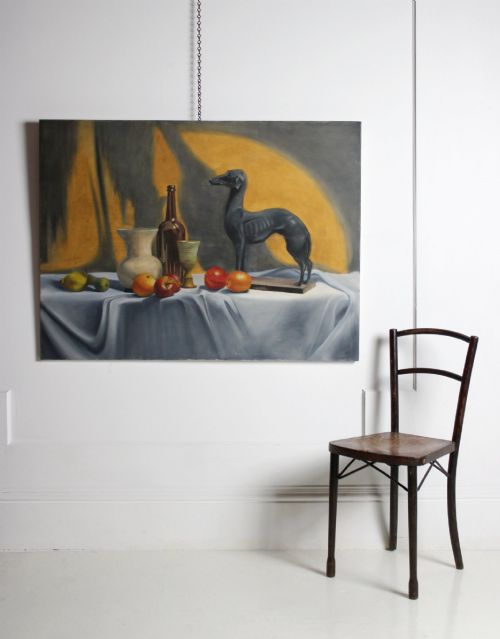
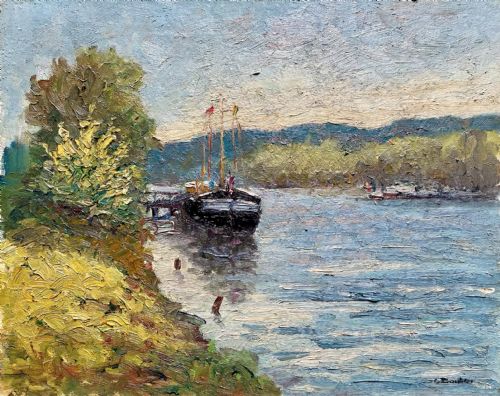
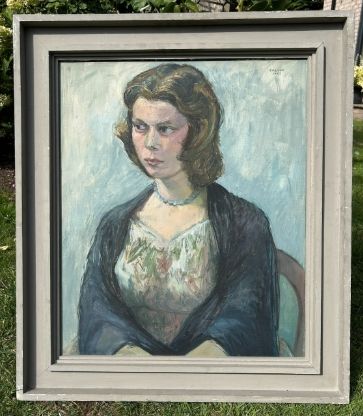
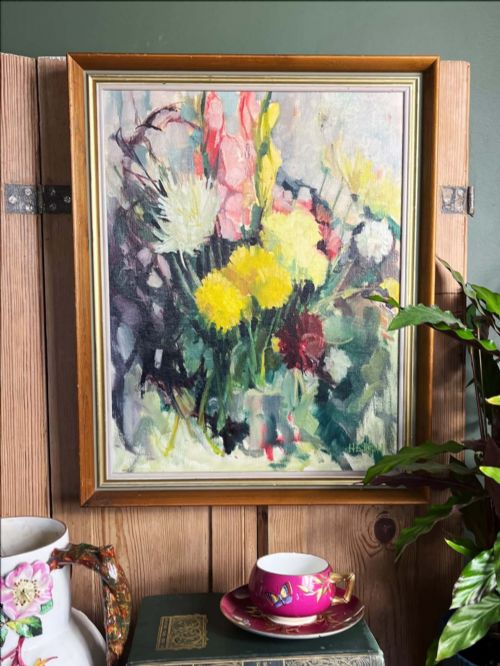
When you search for a mid century oil canvas, you encounter original paintings executed during the nineteen-fifties and nineteen-sixties. These works range from bold European abstracts and post-impressionist landscapes to expressive still lifes and figurative studies.
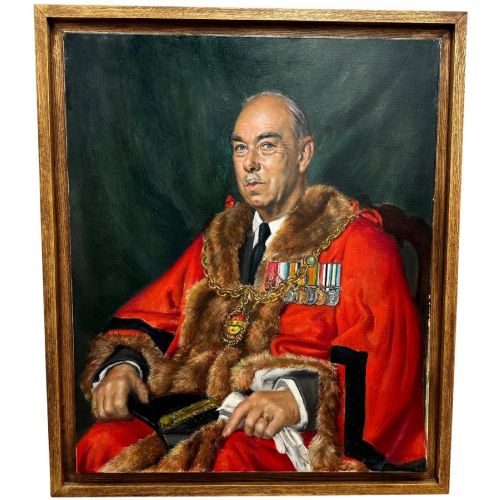
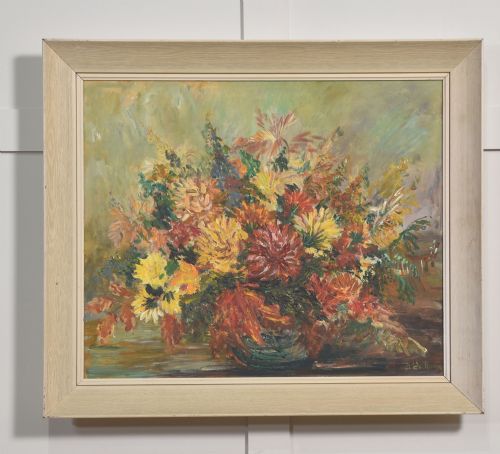
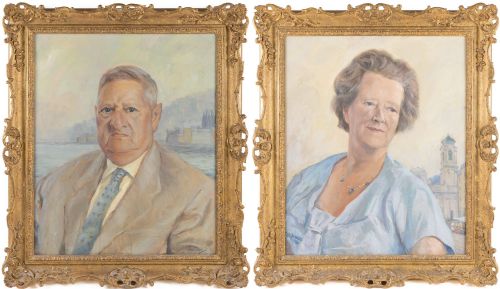
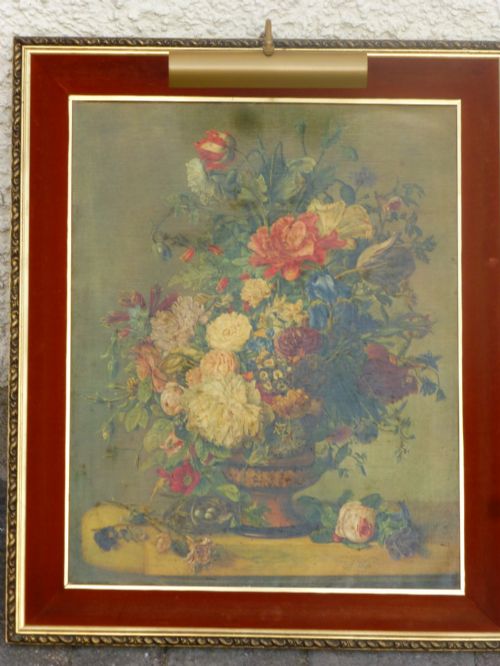
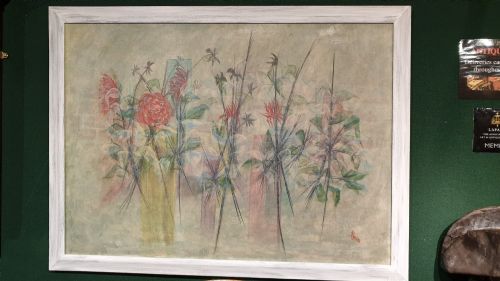
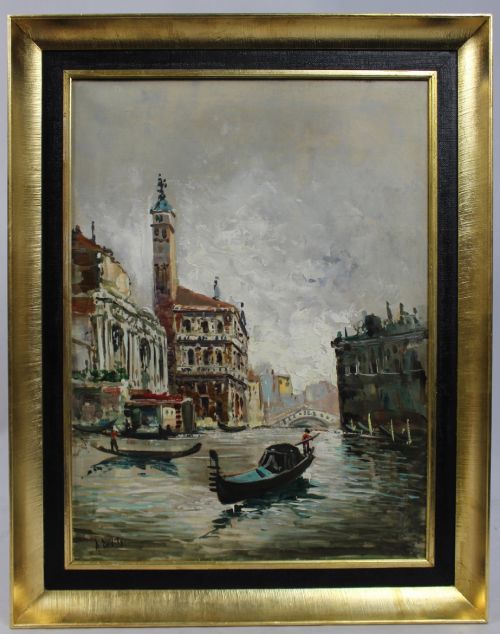
The pieces available here lean heavily into mid-century modern, European, and expressionist styles. Buyers frequently find framed portraits, textured floral studies, and architectural street scenes originating from British and continental workshops.
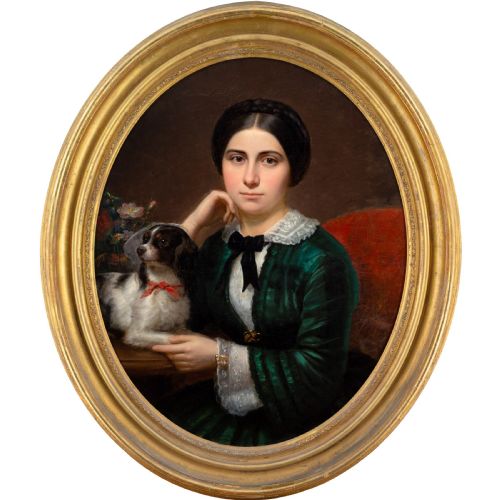
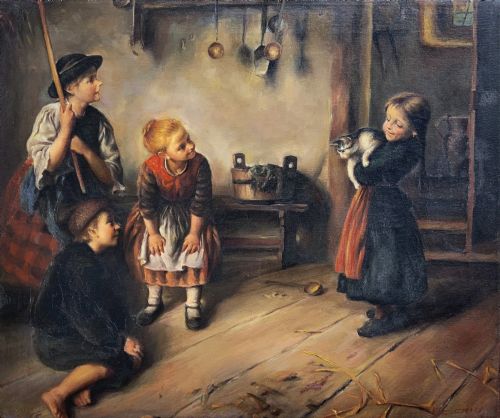
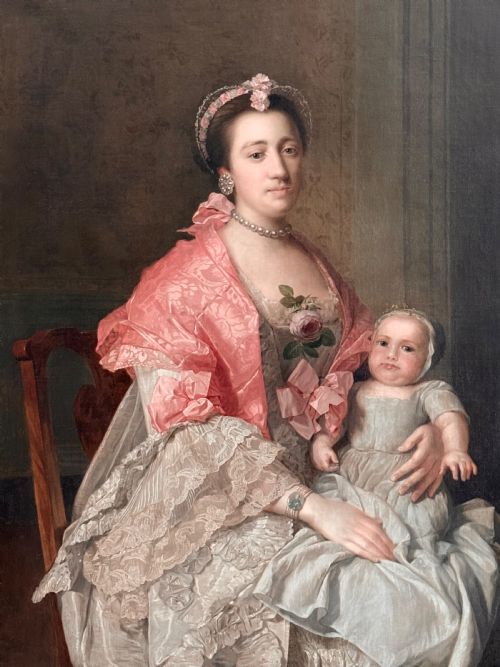
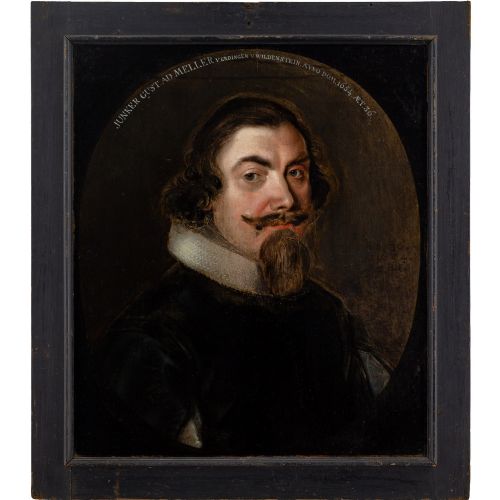
Beyond the mid-century core, the historical record shows older nineteenth-century and eighteenth-century canvases appearing alongside these post-war works. This breadth allows collectors to contrast mid-century abstraction directly with earlier traditional portraiture and landscape traditions.
Materials and Techniques
These works utilise traditional oil paint applied directly to woven canvas supports. Many pieces retain their original wooden frames, sometimes accented with gilt mouldings that reflect the aesthetic of the period.
Artists of the era manipulated paint thickness deliberately, employing heavy impasto techniques alongside thinner washes to build texture. Some compositions incorporate canvas attached securely to wooden boards for added structural support.
Retail Price Guide 2026
Typical UK retail prices for mid century oil canvas, calculated from the Sellingantiques database of over a million retail prices indexed since 2003. This retail price guide relies exclusively on Sellingantiques data; no external sources or auction records are used, so the figures do not describe the wider market.
Sailors, harlequins, bowls of blue fruit, and ladies at the races all share wall space here.
Assessing Quality and Execution
Quality in these paintings rests upon the confidence of the brushwork and the ambition of the composition. Stronger examples demonstrate a clear command of colour relationships and spatial balance, whether handling abstract forms or representational subjects.
The relationship between the canvas and its frame also matters significantly. Superior pieces retain period-appropriate framing that complements the visual weight of the pigment without overpowering the artist's surface design.
Jean-Gabriel Domergue·Lilian Colbourn·William Littlejohn·Terry Frost·Henry Portal·James Arthur O'Connor·John Giles Eccardt·Owen Bowen·Georgina Lara·Frank C Harlow·Thomas Creswick·Peter Colville Horridge Gardner·David Mead·May Cooke·David R Anderson·Walter Cecil Horsnell·Anton Zoll·F Morelli·Suzanne Sieger·William Gape·Bernard Kay
The Mid Century Oil Canvas Glossary
- Impasto
- Paint applied thickly to a canvas, standing out in relief from the surface so that the marks of the brush or palette knife remain visible.
- Still life
- An artwork depicting inanimate subject matter, typically commonplace objects such as fruit, flowers, or household vessels.
- Provenance
- The chronological history of the ownership of a painting, establishing its authenticity and previous collections.
- Post-Impressionism
- An artistic movement extending impressionist methods while rejecting its limitations, favouring heavier symbolism and bolder structural forms.
Frequently Asked Questions
How do I hang and light these paintings?
Oil canvases require stable indoor environments away from direct sunlight and excessive humidity. Picture lights mounted above the frame help illuminate the subtle textures of the pigment without generating damaging heat.
Ensure the wall fixings match the weight of the canvas and its wooden frame safely. Secure hanging prevents accidental shifting over time.
Are these paintings supplied with frames?
Many listings include period frames, ranging from simple wooden surrounds to ornate gilt mouldings. These frames often reflect the specific decade in which the canvas was painted.
Buyers should examine the listing details to confirm whether a particular piece retains its original period housing or a later replacement frame.
How do I distinguish mid-century from older works?
Mid-century canvases typically display modernist palettes, abstracted forms, and gestural brushwork characteristic of the nineteen-fifties and sixties. Their subjects often lean towards experimental still lifes and non-traditional perspectives.
Older nineteenth and eighteenth-century pieces in the archive generally adhere to traditional portraiture, classical landscapes, and more restrained academic rendering techniques.