
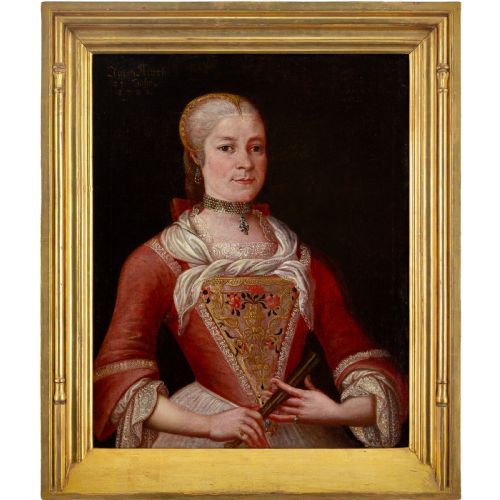
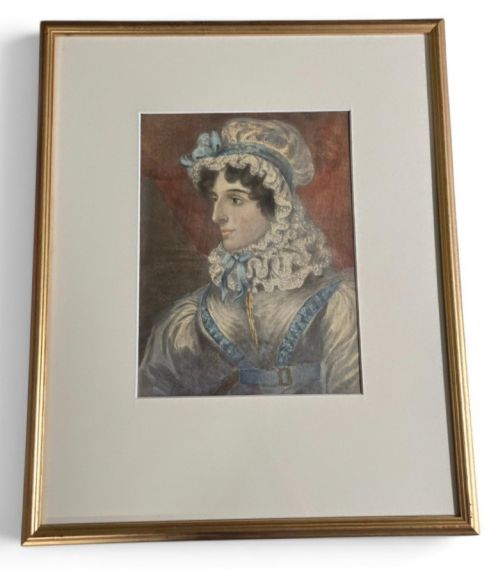
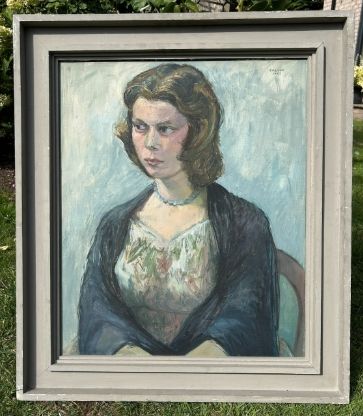
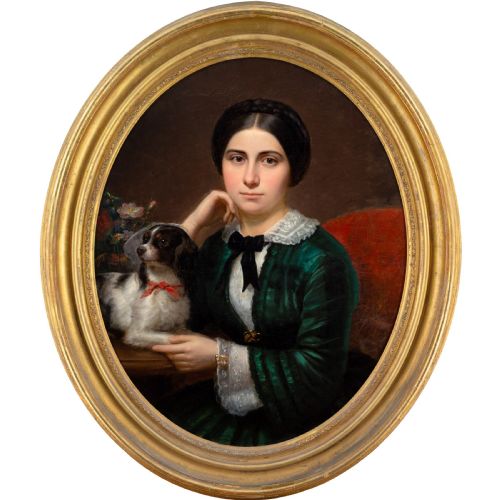
Mid Century Female Portrait
A mid century female portrait captures character through paint, pastel or carved marble, offering a tangible link to past lives that anchors a room.
Mid Century Female Portrait
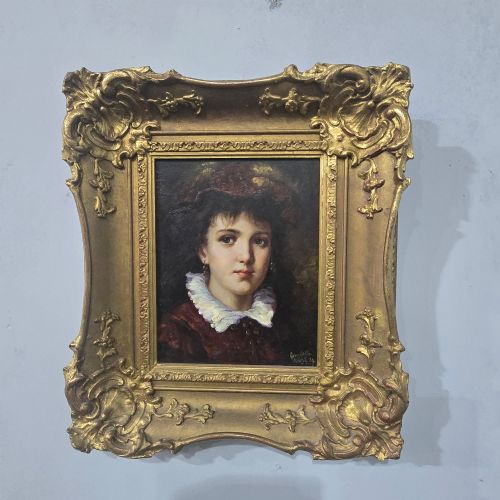
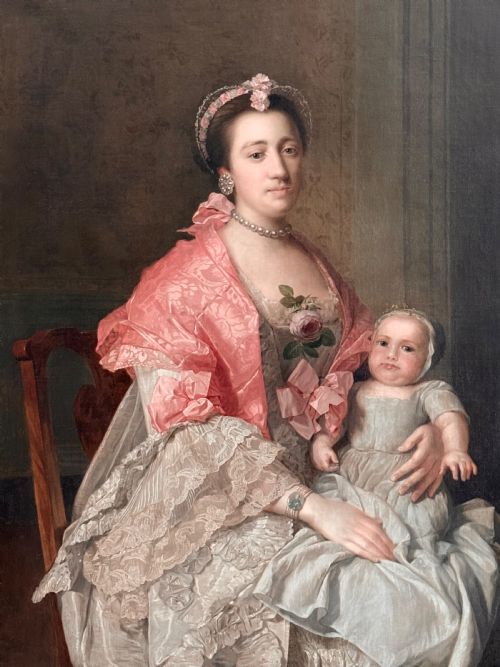
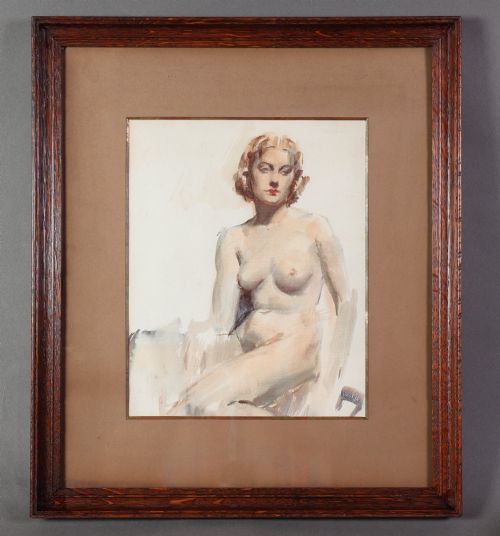
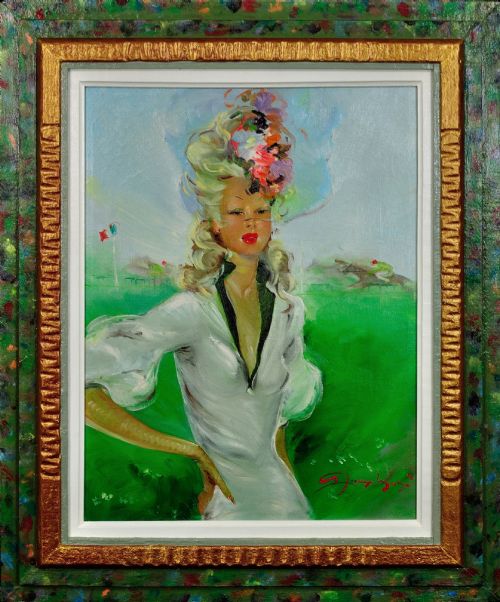
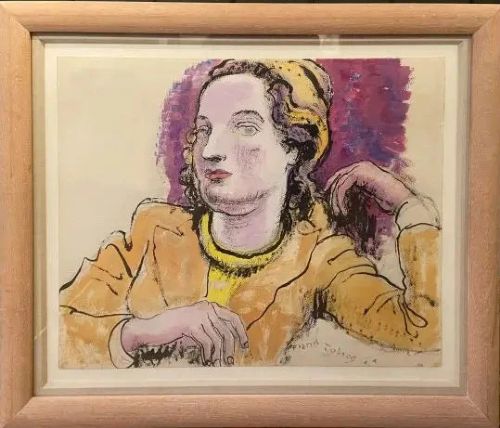
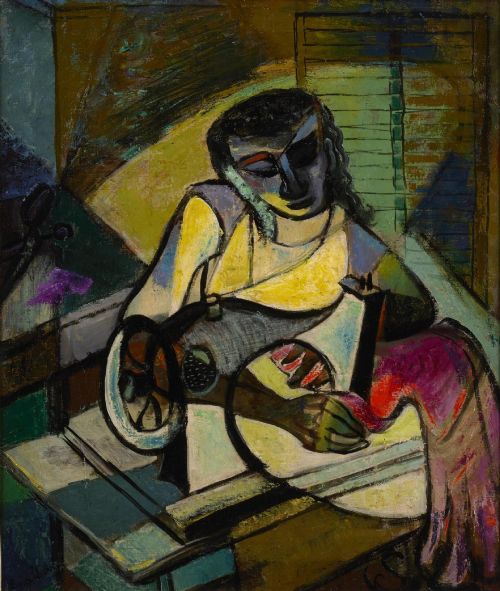
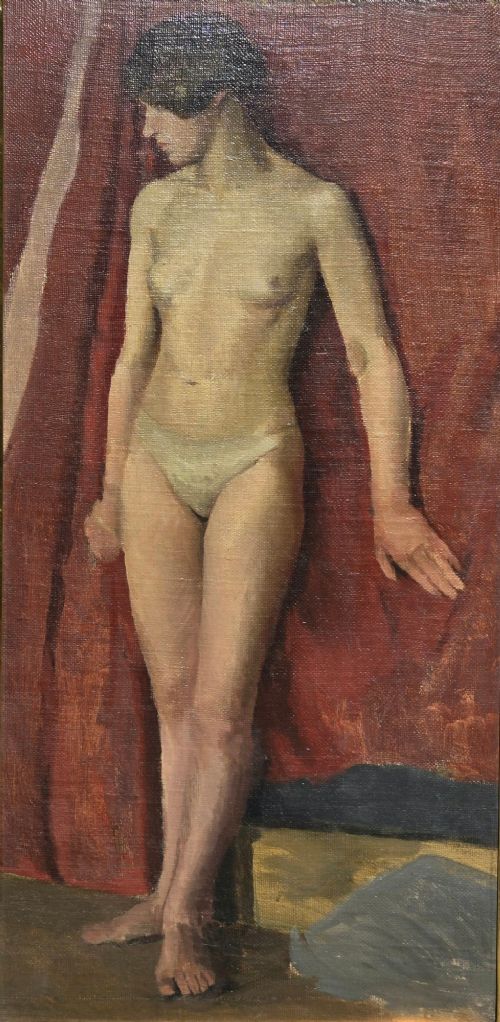
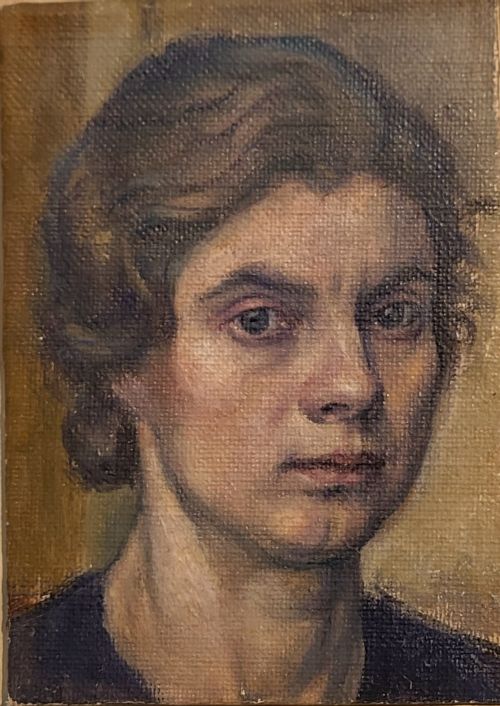
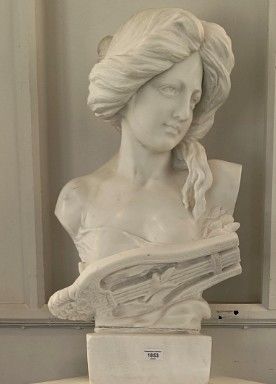
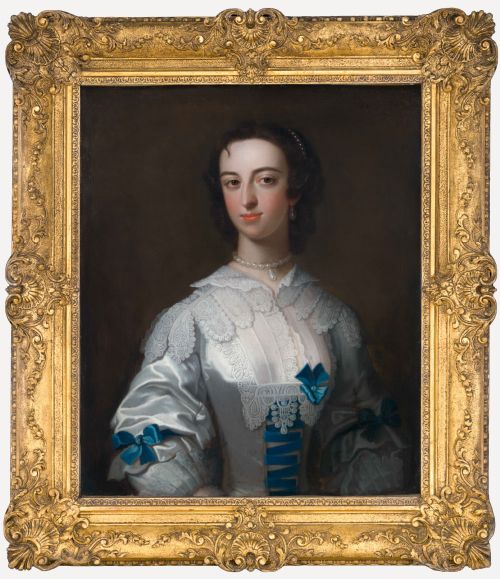
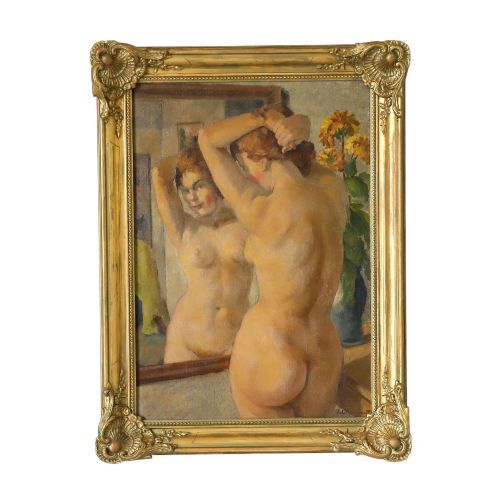
A mid century female portrait spans diverse expressions, from mid-century modernist nudes to neoclassical busts and traditional oil paintings. Pieces on this page bridge eras, originating as early as the eighteenth century alongside twentieth-century works.
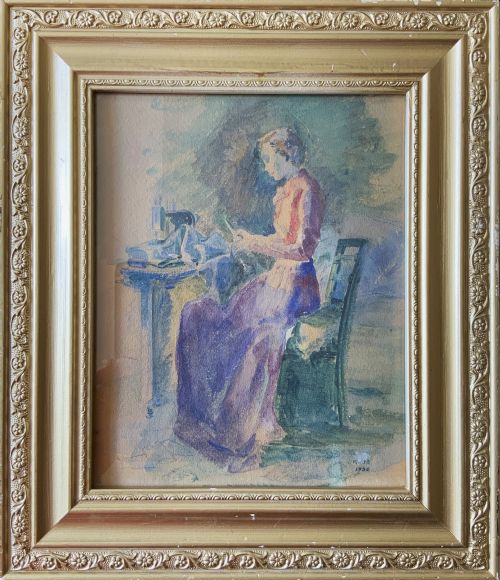
Buyers encounter oil paintings on canvas and board, delicate watercolours, pastels and sculptural marble or wood busts. These artworks range from intimate domestic studies to striking professional school compositions.
Materials and Techniques
Artists relied primarily on oil paint applied to canvas or board, utilising the rich texture and layering capacity of the medium to build depth. Watercolour and pastel drawings on paper offered a lighter, more immediate touch favoured for swift character studies.
Sculptural pieces demonstrate traditional carving techniques in marble and wood, capturing form and contour in three dimensions. Gilded frames frequently complement the flat artworks, preserving the edges and enhancing the visual weight of the canvas.
Listings feature works created across three centuries, utilising oil paint, watercolour, pastel, marble and wood.
Distinguishing Quality in Portraiture
Quality rests in the handling of light, shadow and anatomical proportion, distinguishing confident brushwork from rigid application. The ability of an artist to convey individual expression and mood elevates a standard study into a compelling visual document.
The integrity of the primary support, whether stretched canvas, heavy paper or solid marble, dictates longevity. Original frames appropriate to the period also contribute to the overall coherence and preservation of the piece.
Sir Allan Ramsay·Jean Gabriel Domergue·Frank Dobson·Lena Gurr·Winifred Rymer·Henry Pickering·Philippe de Rougemont·Howard Barron·Tony Giles·Gaetan Dumas·Attilio Toro·Philip Naviasky·Raoul Millais·Arthur Todd·Robert Faulkner·Dod Proctor·Manuel Azpiroz·Mariette Lydis·Yetta Kane·Raymond Arthur Roadnight
The Mid Century Female Portrait Glossary
- Canvas
- A heavy woven fabric used as a surface for oil painting. It is typically stretched over a wooden frame before application.
- Pastel
- A dry medium composed of powdered pigment and a binder, pressed into stick form. It produces velvety colours with a soft texture.
- Neoclassical
- A style inspired by classical antiquity, emerging in the eighteenth and nineteenth centuries. It emphasises clean lines and solemn dignity.
- Stipple
- A painting or drawing technique utilising small dots or short strokes to create texture and tonal graduation. It requires meticulous control.
- Post-Impressionist
- A movement following impressionism that rejected its limitations, focusing instead on symbolic content and heavier weight of form.
Mid Century Female Portrait: Frequently Asked Questions
How do I hang a heavy oil portrait?
Ensure your wall fixings engage directly with wooden studs or masonry rather than relying solely on plasterboard. Heavy gilded frames require robust picture wire and steel screw eyes.
Position the centre of the canvas at standard eye level to create a balanced sightline within your room. Keep the artwork away from direct sunlight and strong heat sources to protect the paint layer.
Can I mix eighteenth-century portraits with modern furniture?
Older painted portraits provide a striking historical contrast against clean lines and minimalist mid-century furniture. The warmth of traditional oil tones grounds contemporary spaces.
Allow the artwork to serve as a focal point by keeping surrounding wall decoration minimal. This approach lets the subject's gaze and the texture of the canvas stand out.
What defines the mid-century modern style?
Mid-century modern art embraces simplification of form, expressive brushwork and an exploration of human subjects without strict academic restraint. Works from this era often balance realism with modernist abstraction.
This stylistic freedom allows portraits from the period to feel remarkably fresh in modern interiors. They prioritize emotional resonance over formal stiffness.