


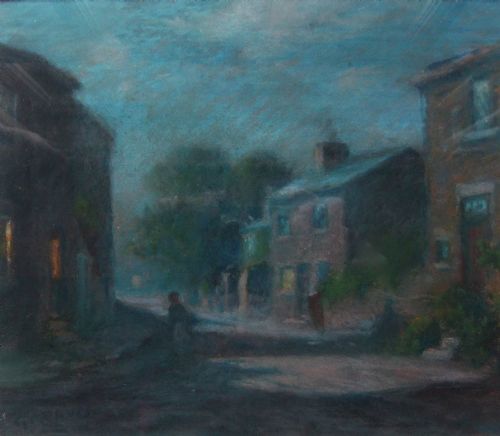

Original Pastel Painting
An original pastel painting brings a direct, powdery pigment to paper, offering collectors a touch of immediacy captured across the nineteenth and twentieth centuries.
Original Pastel Painting
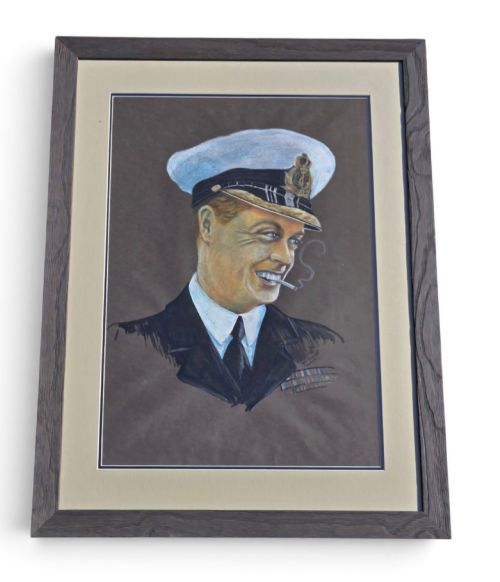
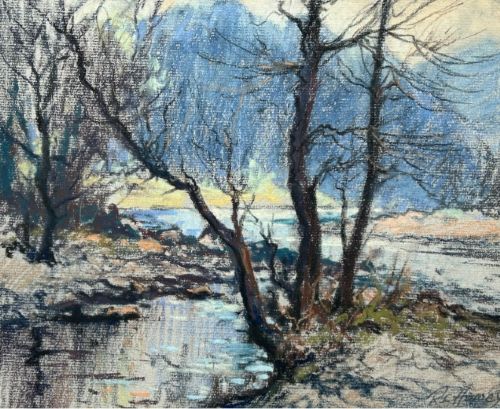
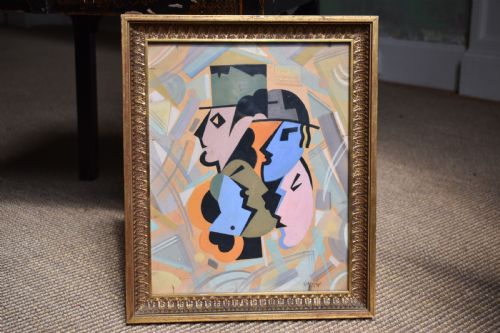
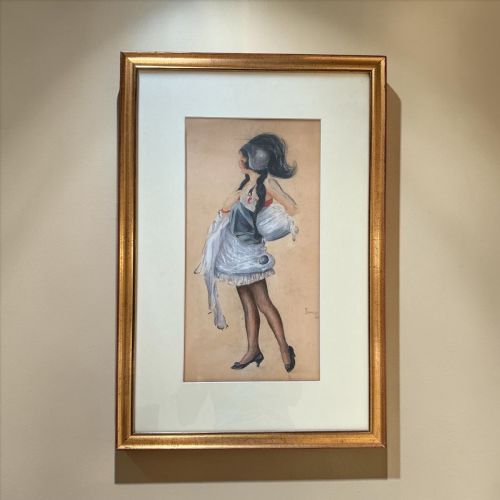
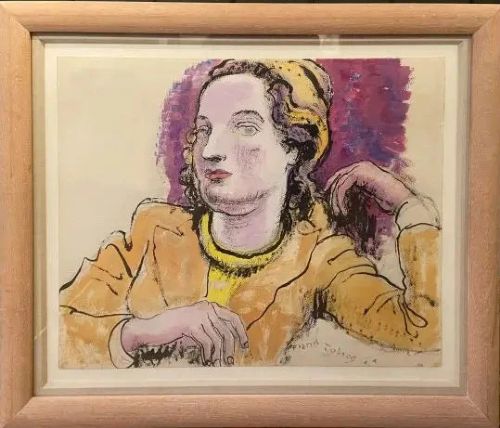
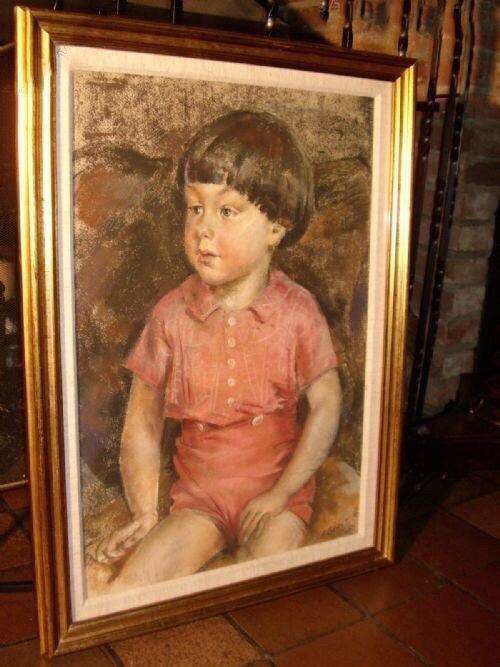
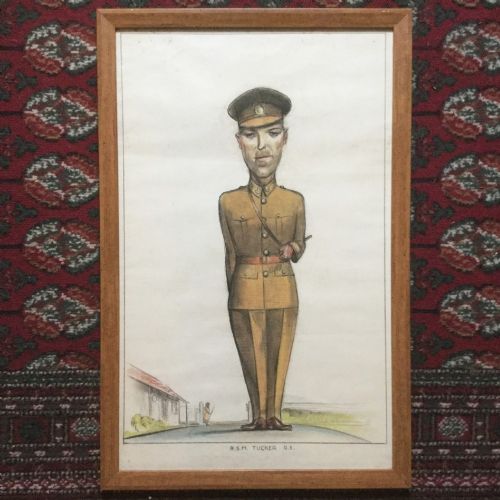
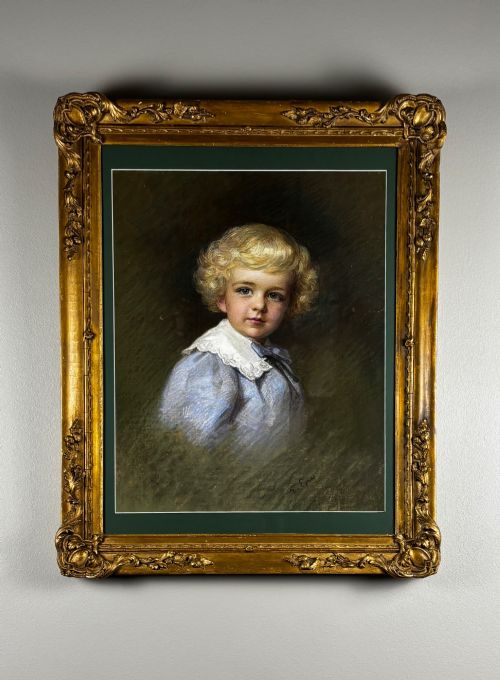
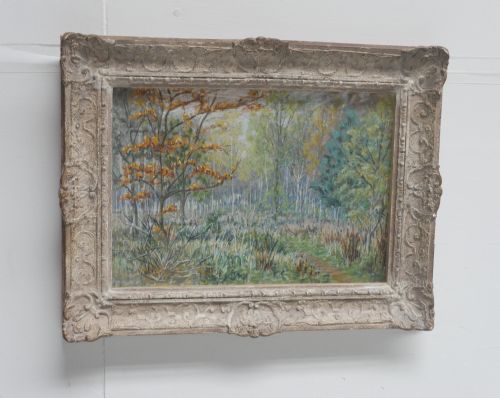
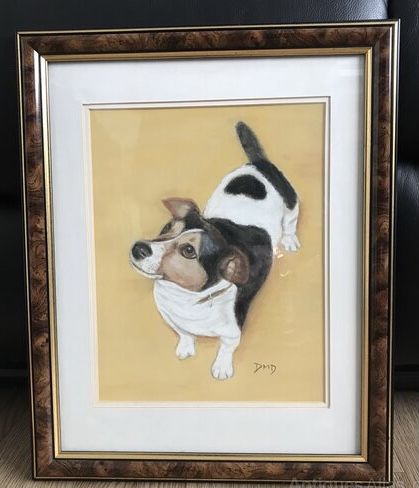
An original pastel painting consists of dry pigment sticks worked onto paper or canvas surfaces to create portraits, landscapes, and still life compositions. These works span periods from the late Victorian era through the mid-twentieth century, encompassing British Impressionism, Modern British, and Post-Impressionist styles. Buyers find subjects ranging from intimate depictions of children and officers to expansive country views and coastal scenes.
Most examples encountered on this page date from the Edwardian period up to the mid-century decades. Artists utilised the medium for its tonal range and speed, producing both finished exhibition pieces and rapid observational sketches. Works often appear under protective glass within period frames that preserve the delicate pigment surface from disturbance.
How they were made
Artists created these works by applying compressed powdered pigment directly to paper support, frequently combining pastel with gouache, watercolour, or ink wash. The dry medium relies on hatching, blending, and layering rather than liquid binding, which allows for immediate colour saturation and soft tonal transitions.
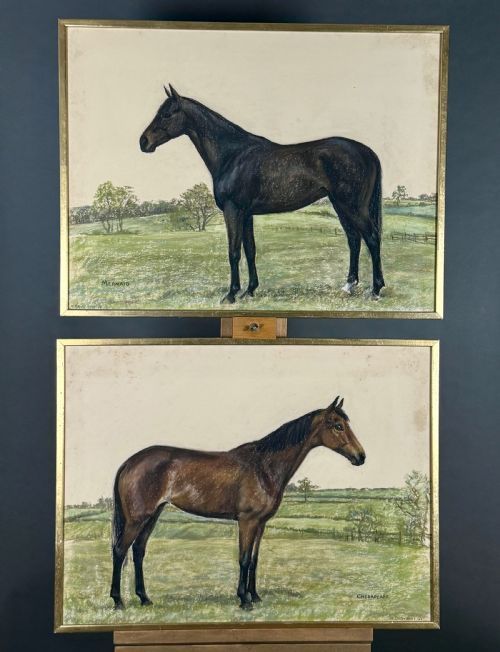
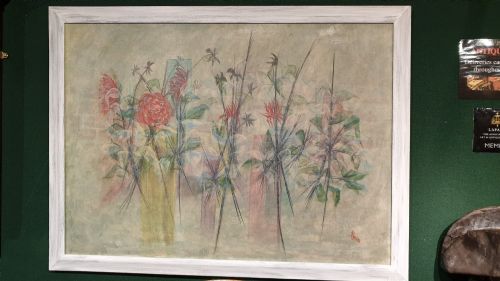
Makers housed finished sheets under glass within wood or gilt wood frames to protect the fragile pigment layer from abrasion and moisture. This mounting method maintains the stability of works executed on paper, canvas, or board without altering the unbound surface of the drawing.
Common subjects in the archive include pastoral landscapes, theatrical scenes, and detailed portrait studies.
What varies in quality
Quality rests upon the artist's command of line, proportion, and tonal depth within the medium. Stronger works display confident draughtsmanship and careful pigment layering that capture light and form without excessive smudging.
The choice of subject and compositional ambition also separate casual studies from major exhibition pieces. Larger, fully realised portraits and expansive landscapes command attention through sophisticated colour harmony and atmospheric presence.
Frank Dobson·Arthur Wardle·Gyrth Russell·Leonard Richmond·John Hobson Nicholson
The Original Pastel Painting Glossary
- Pastel
- A dry painting medium composed of powdered pigment and a binder rolled into stick form. It leaves pure colour directly on the paper support.
- Gouache
- An opaque water-based paint frequently used alongside pastel to add highlights and solid areas of tone. Artists applied it to build contrast within mixed media works.
- Gilt wood
- Carved timber framing finished with a thin layer of gold leaf. These frames often accompany nineteenth and early twentieth-century portraits.
- Support
- The underlying physical material, such as paper or canvas, upon which the artist executes the composition. Paper remains the standard ground for works in this medium.
- Fixative
- A liquid spray applied to pastel works to bind the loose pigment particles to the paper. Historical pieces display varying reliance on this protective layer.
Original Pastel Painting: Frequently Asked Questions
Why do these works need glass protection?
Pastel pigment sits loosely on the paper surface without a heavy liquid binder to lock the particles permanently in place.
Glass prevents accidental smudging and protects the delicate drawing from atmospheric dust and humidity.
Can I hang a pastel painting in direct sunlight?
Direct sunlight causes pigments to fade over time, particularly organic colours used in older works on paper.
Position these pieces on interior walls away from harsh windows to preserve their original tonal balance and colour.
How do I identify a genuine pastel from a print?
Examine the surface closely under magnification to check for individual pigment particles and the physical texture of crayon strokes.
Prints display uniform dot patterns or smooth ink layers, whereas genuine works show raised powder and varied density across the paper.