



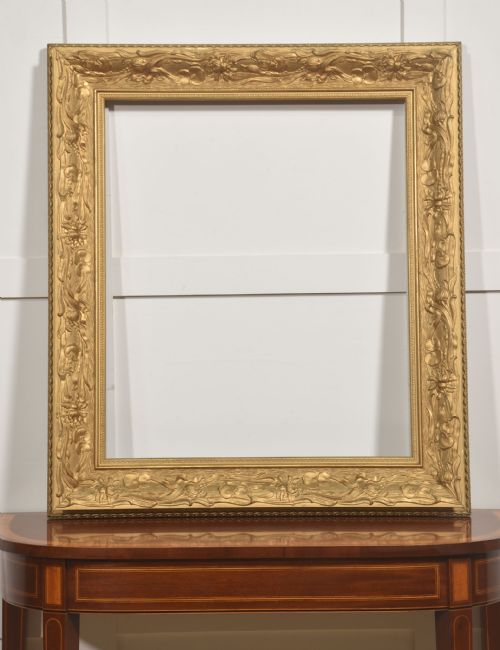
Carved Giltwood Picture Frame
These carved giltwood picture frames bring historic presence and rich metallic warmth to any wall.
Understanding carved giltwood picture frames
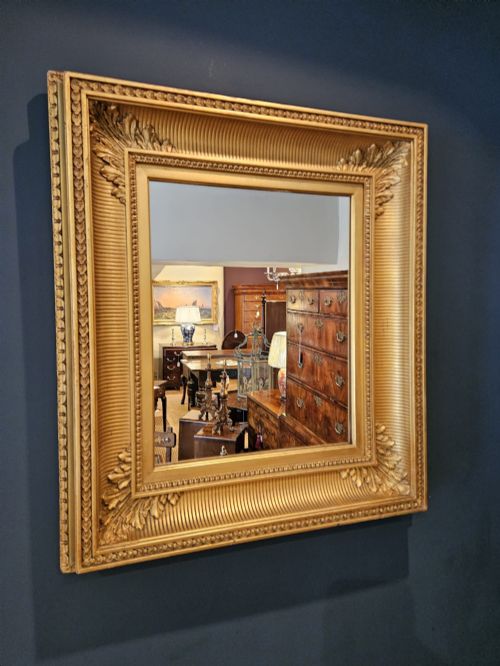
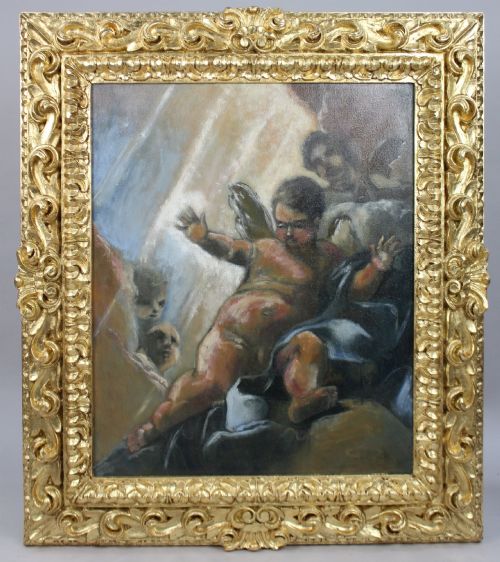
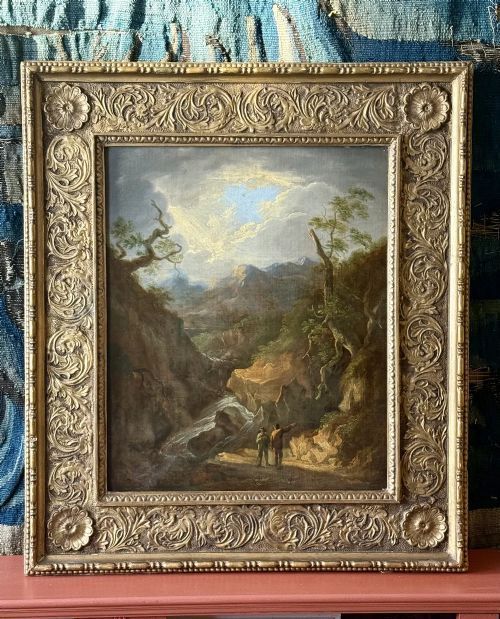
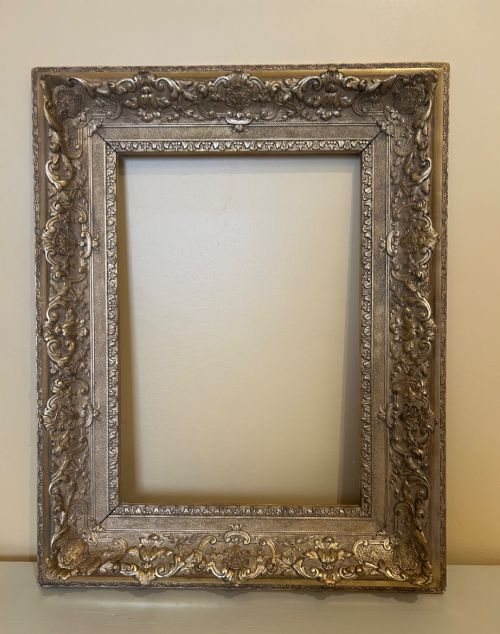
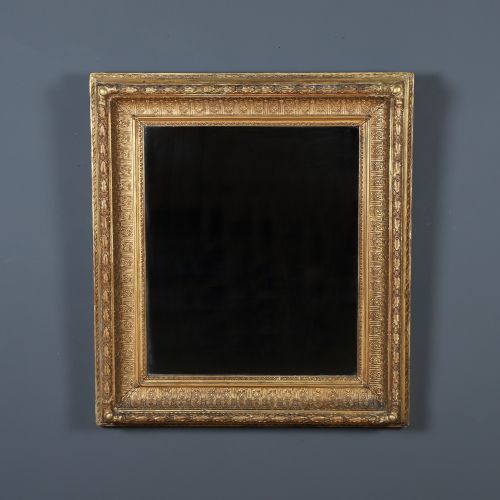
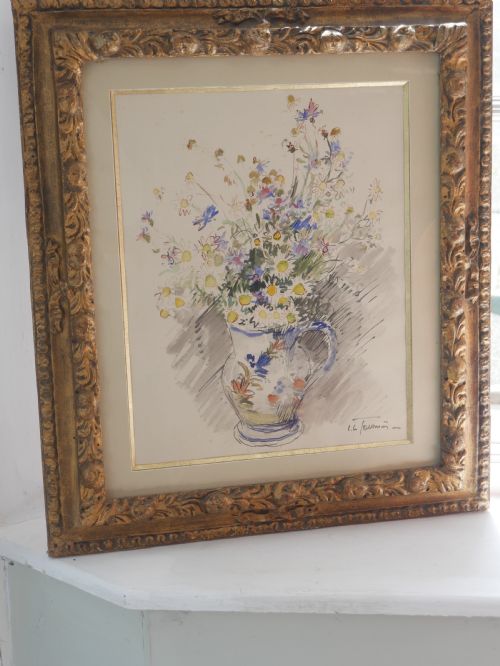
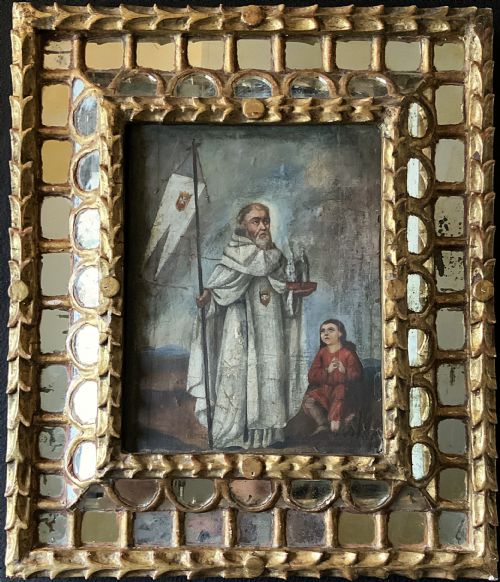
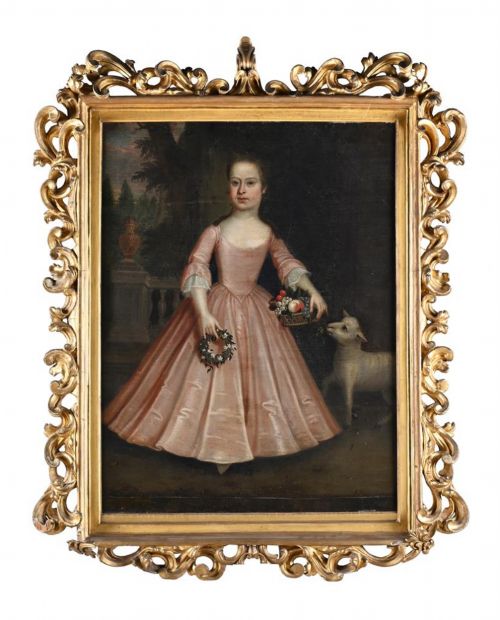
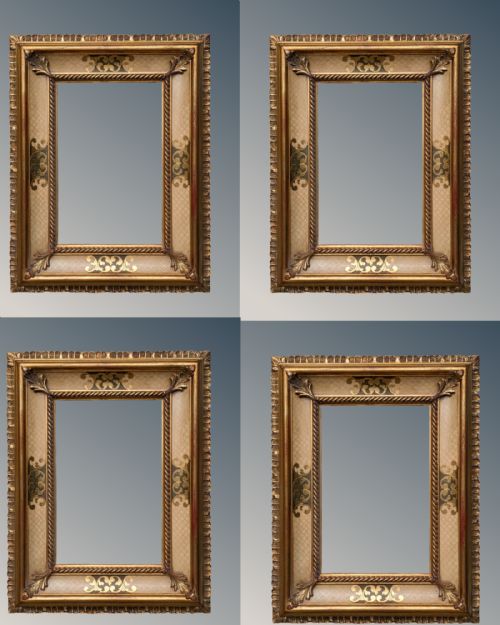
A carved giltwood picture frame brings period character to walls, housing oils on canvas from centuries past as well as standalone decorative surrounds. When you search for a carved giltwood picture frame, you encounter a variety of forms spanning from the eighteenth century to the mid-twentieth century. The selection includes exuberant revival styles and simpler architectural profiles designed to enhance portraiture.
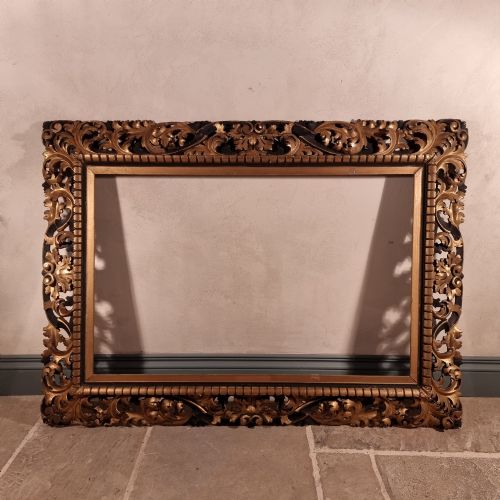
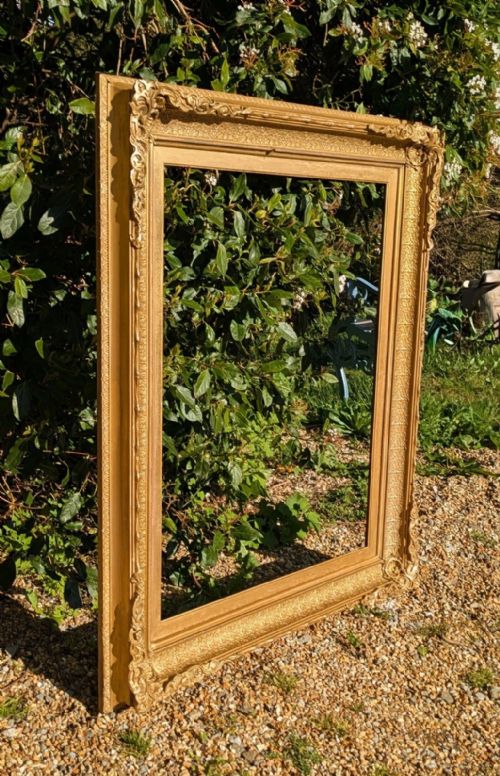
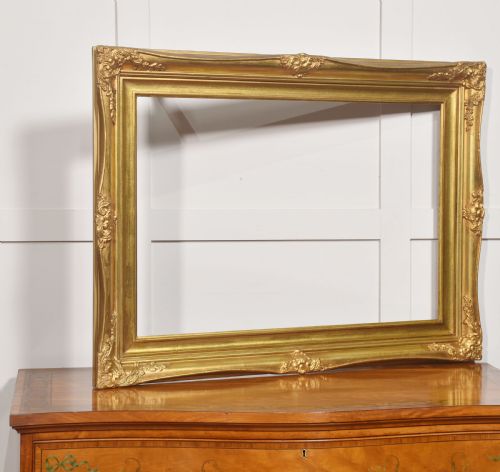
The most common examples you meet on this page are nineteenth-century pieces, often featuring gesso details and applied gold leaf. These frames range from grand Florentine proportions to landscape formats built for oil paintings. Each piece reflects the aesthetic preferences of its era, from Dutch Golden Age sensibilities to later revival movements.
Materials and construction
Makers constructed the base structure from timber, selecting woods capable of holding intricate carved ornamentation. Artisans then applied layers of gesso to the wooden surface, creating a smooth, absorbent ground for subsequent gilding. This meticulous layering allowed for sharp relief work and crisp decorative edges.
Guilders applied thin sheets of gold leaf over the prepared gesso, burnishing parts of the surface to achieve a brilliant metallic sheen while leaving recesses matte. This technique created depth and caught candlelight or natural illumination in period interiors. The combination of carved wood, gesso, and gold leaf defines the physical presence of these objects.
Retail Price Guide 2026
Typical UK retail prices for carved giltwood picture frame, calculated from the Sellingantiques database of over a million retail prices indexed since 2003. This retail price guide relies exclusively on Sellingantiques data; no external sources or auction records are used, so the figures do not describe the wider market.
A portrait of Diana Connell smiles out from nineteen forty-eight, proving that mid-century artists still demanded proper golden frames.
Distinguishing quality
Quality in these objects lies in the crispness of the carving and the depth of the gilding layers. Superior examples display hand-tooled ornament with sharp undercut details rather than soft, moulded gesso compositions. The finesse of the gold leaf application and the preservation of the burnished highlights separate finer atelier work from utilitarian production.
Proportion and scale also dictate the standing of a piece, with balanced architectural sections that complement rather than overpower the canvas. The integrity of the underlying timber structure and the harmonious ageing of the gold surface contribute to the overall authority of the frame.
John Gilroy
The Carved Giltwood Picture Frame Glossary
- Giltwood
- Timber decorated with gold leaf applied over a prepared ground. This material provides the signature warm metallic lustre seen on period picture frames.
- Gesso
- A plaster mix of chalk and binder applied to wood before gilding. It creates a smooth surface that carvers can shape into intricate decorative motifs.
- Florentine frame
- An ornate Italian style characterised by deep profiles and rich, scrolling foliage. These frames often feature pierced carved elements and extensive gilding.
- Rococo revival
- A nineteenth-century design movement emulating the asymmetrical curves and naturalistic motifs of the eighteenth century. It appears frequently on grand decorative picture frames.
Frequently Asked Questions
How do I date a frame?
Dating relies on examining the timber construction, the composition of the gesso layer, and the style of the carving. Earlier pieces often show hand-cut joinery and organic tool marks beneath the gilding.
Revival pieces from later centuries frequently adopt historic motifs but utilise manufacturing techniques characteristic of their actual period of production.
Can I re-gild a frame?
Intervention requires specialist conservation knowledge to preserve the historical integrity and remaining gold leaf. Traditional water gilding involves specific materials that differ from modern metallic paints.
Most collectors prefer to maintain the patinated surface rather than undertake total re-gilding.
How do I hang a heavy frame?
Heavy carved wooden frames require robust wall fixings secured directly into studs or masonry. Using appropriate mirror plates or heavy-duty D-rings distributed evenly across the back ensures stable weight distribution.
Professional installation is advisable for large nineteenth-century pieces.
Are these frames meant for paintings?
These surrounds were designed specifically to house oil paintings on canvas or panel. Their depth and projection protect the canvas edge while the gold leaf frames the artwork.
Many pieces still retain their original stretchers or historic canvases.