

Traditional Portrait Painting
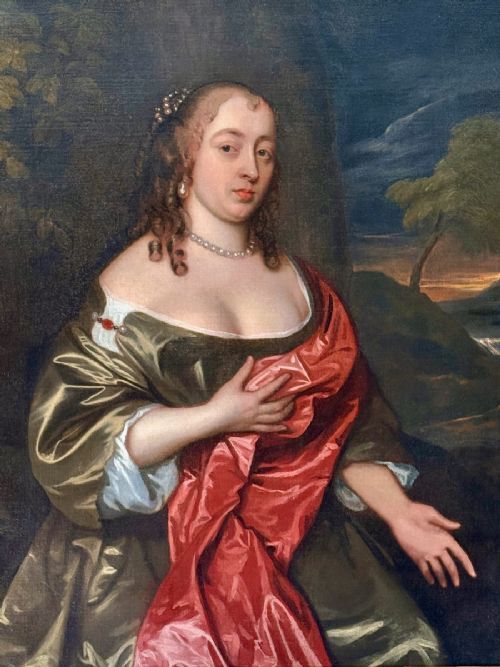
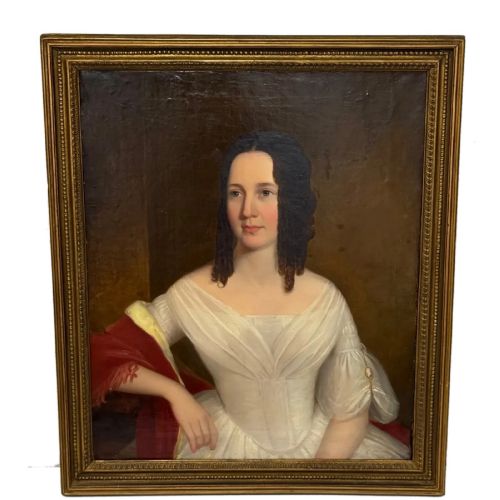
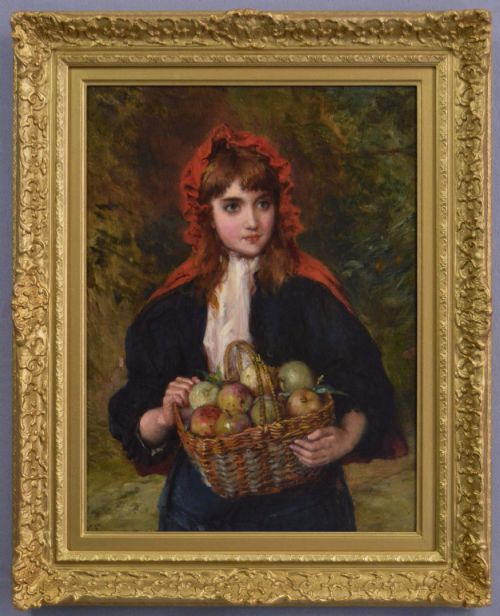
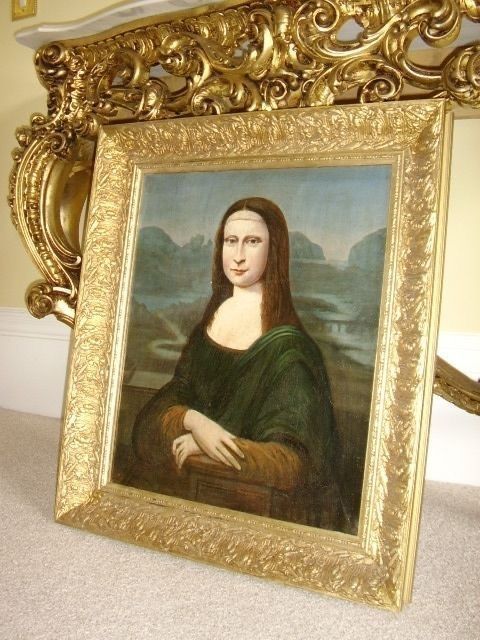
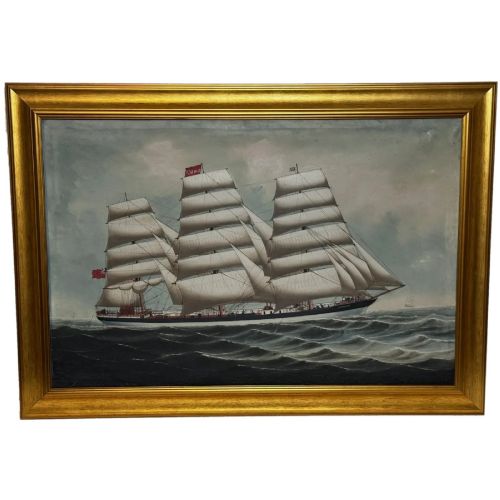
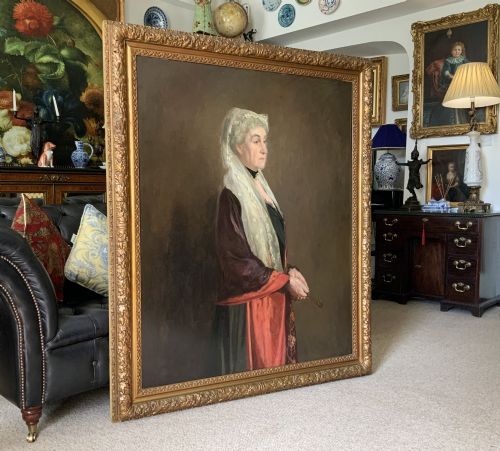
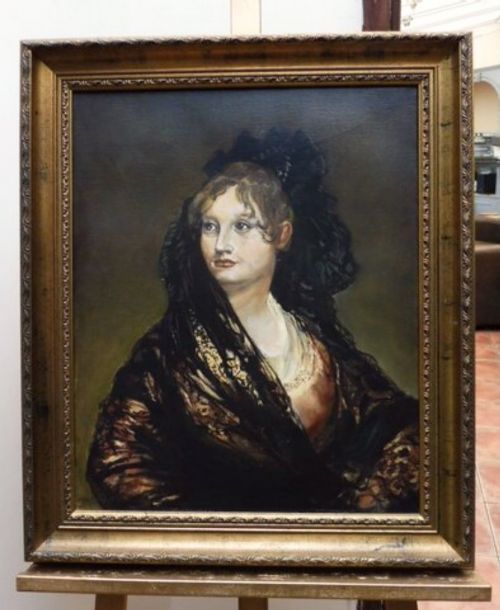
Traditional portrait painting captures the likenesses and social standing of subjects across centuries through oils and watercolours on canvas, wood, and paper.
What traditional portrait painting represents
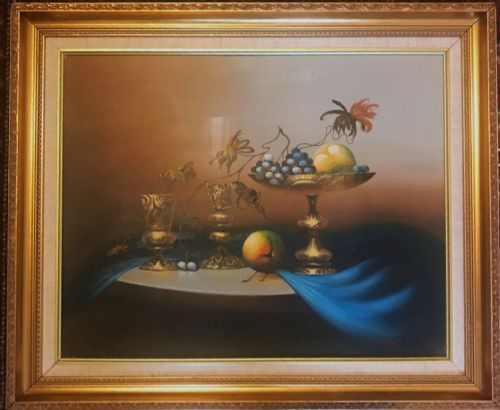
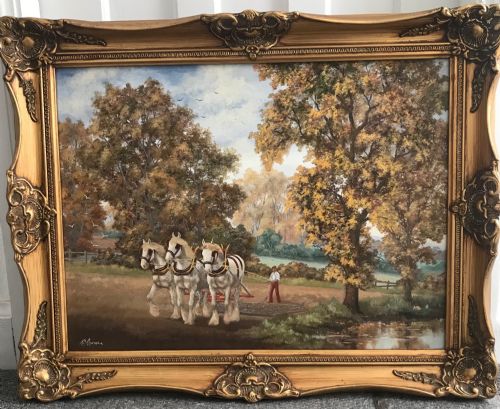
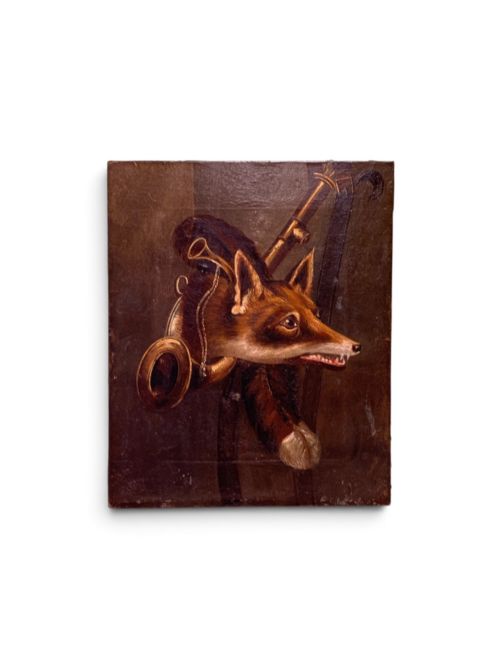
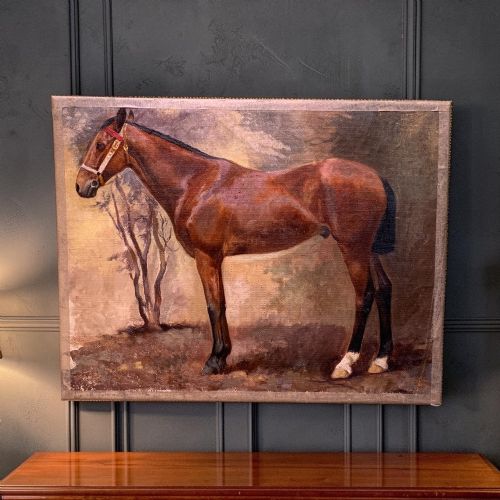
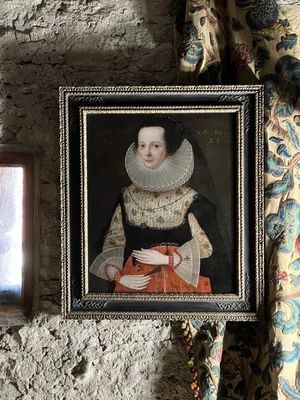
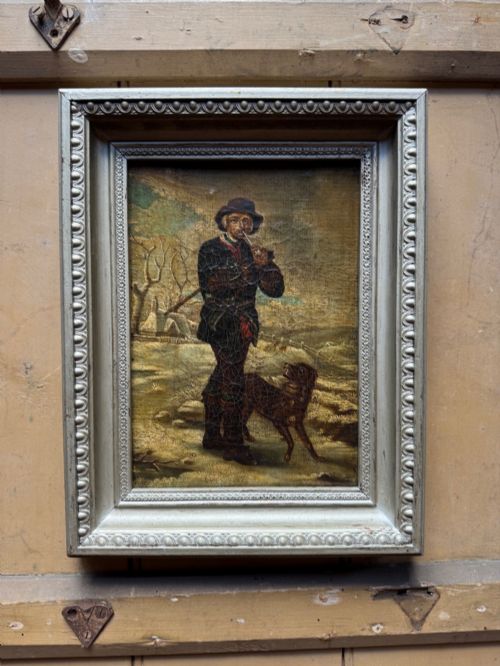
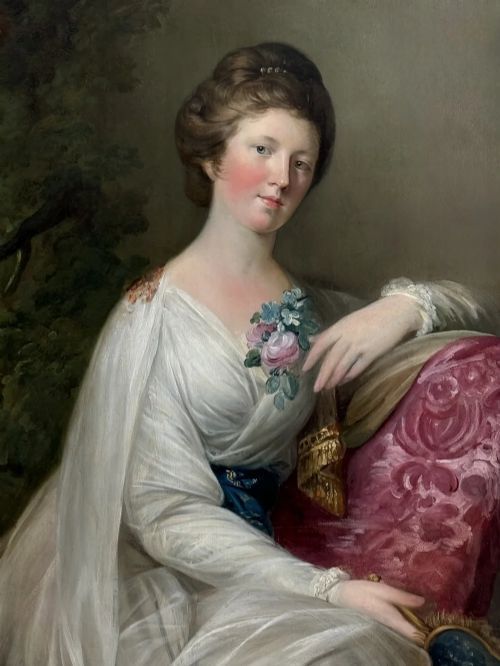
Traditional portrait painting encompasses historical depictions of gentlemen, ladies, and notable figures rendered in oil or watercolour. These works preserve the likeness and character of subjects ranging from architects and clergymen to military captains.
Pieces from this selection predominantly date from the nineteenth century, alongside works from the early twentieth century, nineteen-forty, and nineteen-fifty. The most frequent encounters on this page are nineteenth-century oil paintings on canvas, often housed in giltwood frames.
The regional origins of these works span English, Scottish, Belgian, and American schools. Each piece records the prevailing aesthetic and portraiture conventions of its specific period, from Victorian formality to mid-century approaches.
Materials and construction
Makers build traditional portrait painting works primarily using oil or watercolour applied to canvas, wood, paper, or glass. Canvases stretch across wooden supports, providing a stable surface for layered oil pigments.
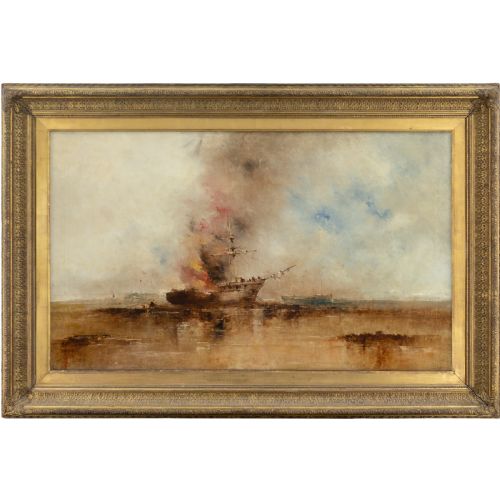
Many works incorporate period frames fashioned from giltwood to complement the visual weight of the painting. The combination of canvas, oil, and wood underpins the physical survival of these portraits over successive centuries.
Retail Price Guide 2026
Typical UK retail prices for traditional portrait painting, calculated from the Sellingantiques database of over a million retail prices indexed since 2003. This retail price guide relies exclusively on Sellingantiques data; no external sources or auction records are used, so the figures do not describe the wider market.
Listings feature works spanning the nineteenth century, nineteen-eighteen, nineteen-forty, and nineteen-fifty, executed in oil and watercolour on canvas, wood, paper, and glass.
Distinctions in quality
The preservation of the original canvas, the stability of the support materials, and the integrity of the accompanying frame contribute significantly to a piece's standing. Works that retain their original integration of painting and period frame hold greater visual coherence.
Sarah Losh·Jules Rambo·John Gilroy·John Angell James·Captain Reuben Marmaduke Potter
The Traditional Portrait Painting Glossary
- Oil on Canvas
- A painting technique utilising pigments suspended in drying oils applied to a woven fabric surface stretched across a wooden frame. This medium allows for rich colour depth and subtle blending of tones.
- Giltwood
- Wood that has been coated with a thin layer of gold leaf or gold paint, frequently utilised for decorative antique picture frames. It enhances the presentation of traditional portrait paintings.
- Watercolour
- A painting method where the pigments are suspended in a water-based solution, typically applied to paper. This medium produces translucent layers and delicate colour washes.
- Victorian
- A stylistic period corresponding to the reign of Queen Victoria, marked by diverse artistic movements and a strong emphasis on realism in portraiture. Works from this era reflect the social values of the nineteenth century.
Frequently Asked Questions
How do I date a traditional portrait painting?
Dating relies on examining the costume, hairstyle, and stretcher construction of the canvas. Written inscriptions on the reverse or frame often record the subject's lifespan or the date of creation.
Stylistic cues such as nineteenth-century romanticism or mid-century portraiture conventions further help place the work within a specific decade.
Where were these portraits displayed?
Historically, traditional portrait paintings hung in the reception rooms, libraries, and galleries of grand homes. They served to project family lineage, professional achievement, and social status to visitors.
Today, collectors place them in domestic interiors to add historical character and a human presence to contemporary spaces.
What is the difference between oil and watercolour portraits?
Oil portraits utilise heavy pigments on canvas or wood panels, allowing for textured brushwork and deep, saturated tones. Watercolour portraits employ translucent washes on paper, offering a lighter and more delicate aesthetic.
Oils generally denote grander formal commissions, whereas watercolours often capture more intimate or portable likenesses.
How should I care for an antique portrait?
Protect the painting from direct sunlight and maintain stable indoor humidity to prevent the canvas or wood panel from warping. Avoid using liquid cleaners on the painted surface or the giltwood frame.
Professional conservators should handle any structural repairs to the canvas or the restoration of aged varnish layers.