
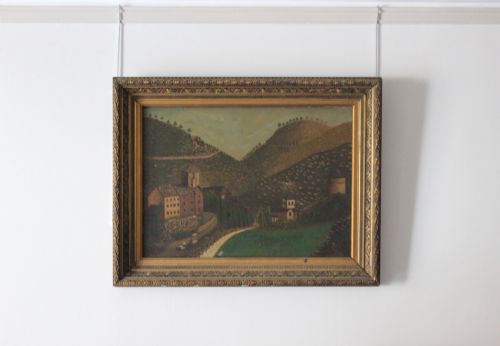
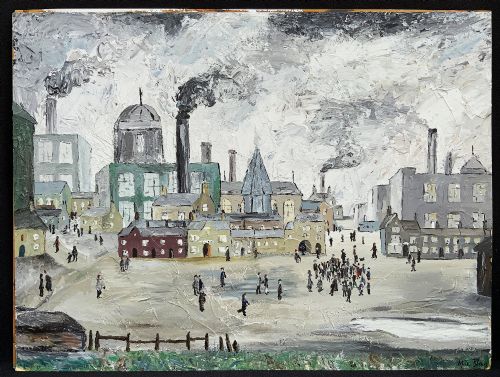


Naive Landscape Oil Painting
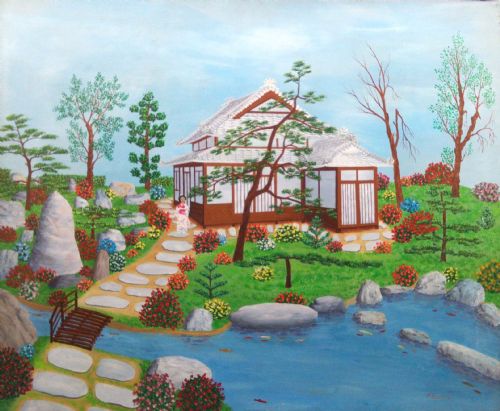
A naive landscape oil painting captures the unvarnished honesty of untrained observation, offering direct views of rural life and provincial towns.
Naive Landscape Oil Painting
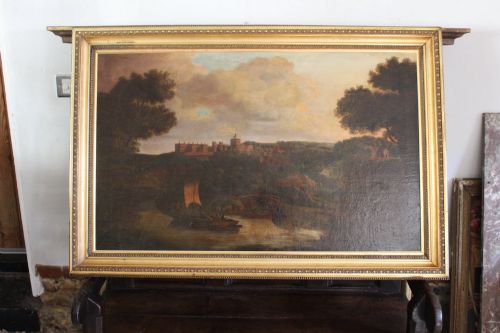
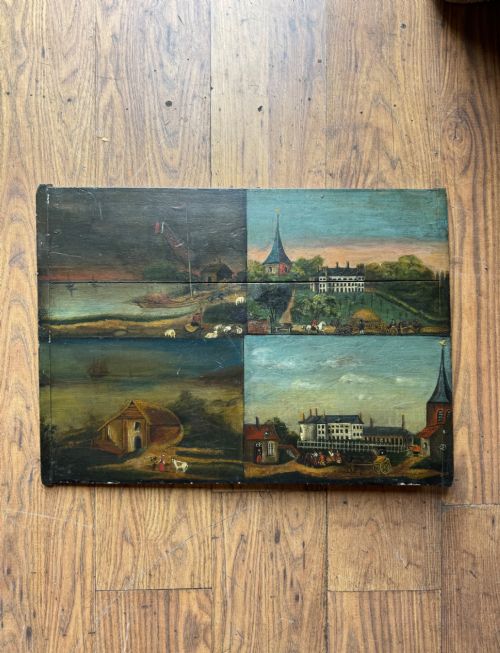
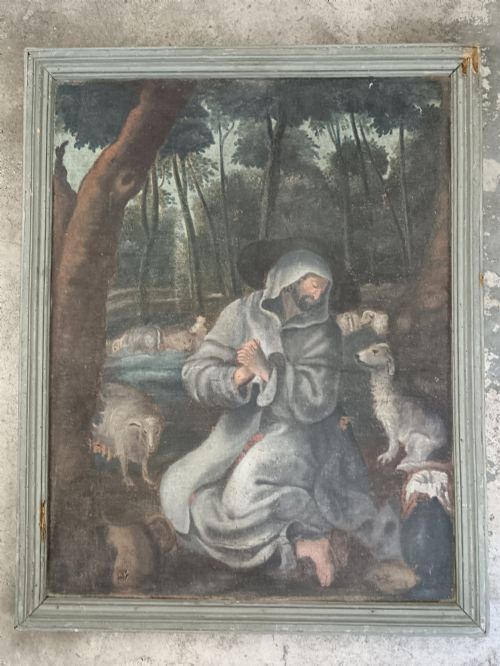
A naive landscape oil painting presents straightforward topographical views, rural scenes, and provincial estates created by artists outside the formal academic tradition. These works range from eighteenth-century topographical pairs to nineteenth-century depictions of riversides, churches, and border collies.
Buyers most frequently encounter nineteenth-century British and European examples executed with flat perspective and direct brushwork. The subjects span English country houses, northern industrial townscapes, and southern French coastal scenes.
How they were made
These works rely on oil paint applied to prepared canvas, wooden board, or stretched fabric support. The physical structure often reveals visible brush marks and direct application without preparatory underdrawings.
Frames commonly incorporate wood and giltwood surrounds that complement the provincial character of the painted surface.
Materials across these listings include oil paint applied to wood, canvas, and board, frequently housed within giltwood frames.
What varies in quality
The strength of a naive landscape oil painting rests in the conviction of its composition and the clarity of its local colour. Works that maintain a confident arrangement of architectural and natural elements hold visual interest far beyond mere technical competence.
Surface preservation and the integrity of the original support determine the longevity of the piece. Untouched surfaces retain the uninhibited spirit intended by the maker.
The Naive Landscape Oil Painting Glossary
- Naive art
- Art produced by a self-taught creator lacking formal academic training. It typically displays a flat perspective and simplified proportions.
- Folk art
- Traditional cultural expression created within a community context. These objects reflect local materials and utilitarian or decorative traditions.
- Primitive
- A descriptive term for early or unrefined artistic methods. In painting, it denotes a direct approach to form and space.
- Topographical painting
- An accurate representation of a specific geographical location or building. These works serve as visual records of particular places.
- Pentimento
- A visible trace of earlier painting beneath the layer of paint currently visible. It occurs when an artist changes their composition during work.
Naive Landscape Oil Painting: Frequently Asked Questions
What is a naive landscape oil painting?
A naive landscape oil painting is an artwork created by an untrained or self-taught artist depicting natural scenery or buildings. These pieces prioritize direct expression over academic rules of perspective.
You will find subjects ranging from English country estates to French coastal harbours, all rendered with straightforward charm and individual character.
How do I date a naive painting?
Dating relies on examining the materials, including the type of canvas, stretcher construction, and preparation board. Costume details, architecture, and framing styles also provide clear chronological clues.
Paintings from the eighteenth and nineteenth centuries often display distinct pigments and canvas preparations that separate them from mid-twentieth-century works.
Where should I hang these paintings?
These works suit dining rooms, hallways, and studies where their provincial character can be appreciated up close. They pair effectively with traditional wooden furniture and neutral walls.
Keep them away from direct sunlight and excessive humidity to protect the oil paint and wooden supports over time.
What subjects are most common?
Common subjects include rural street scenes, agricultural landscapes, riversides, and local landmarks such as churches or estates. Painters often recorded their immediate surroundings with personal perspective.
Industrial townscapes and coastal harbour views also appear among mid-century examples from European makers.