



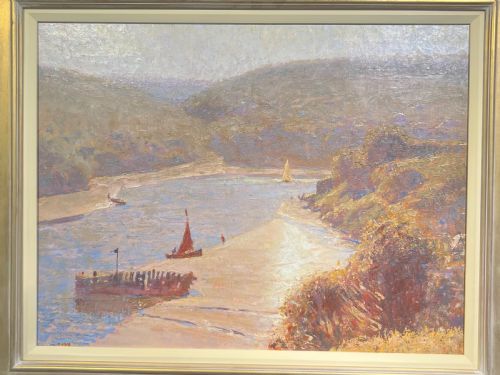
Blue Maritime Oil Painting
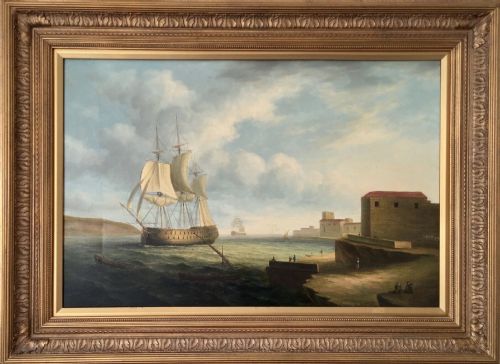
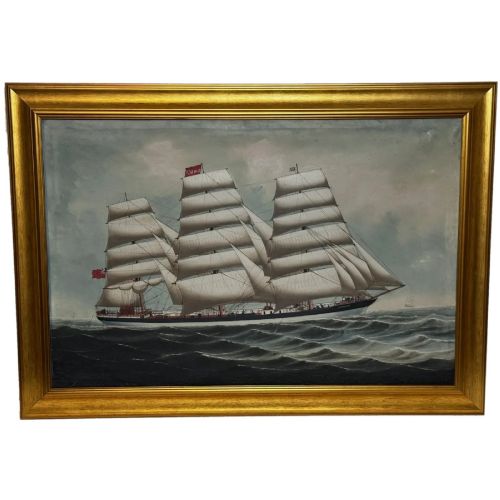
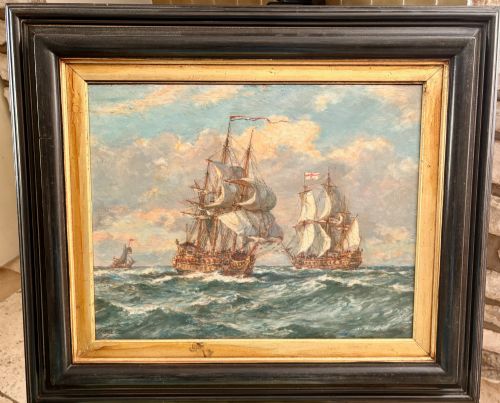
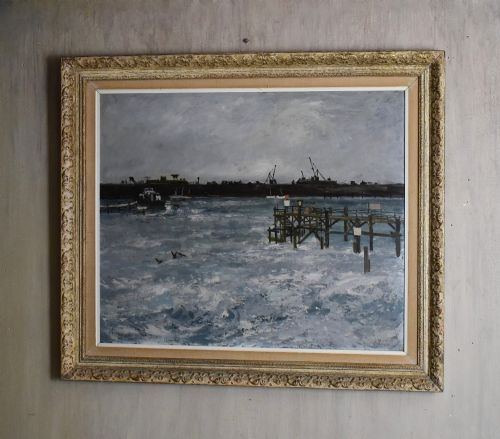
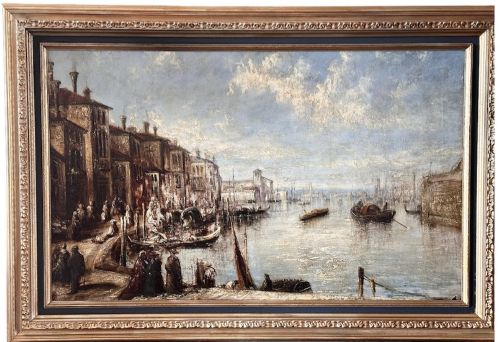
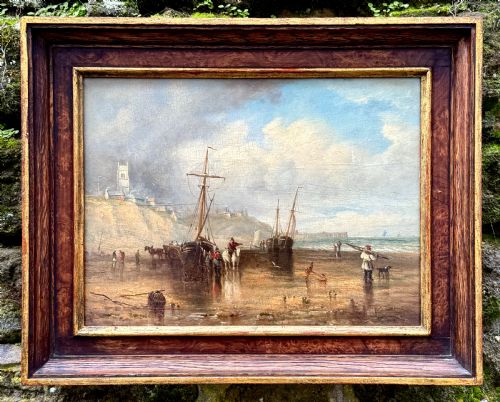
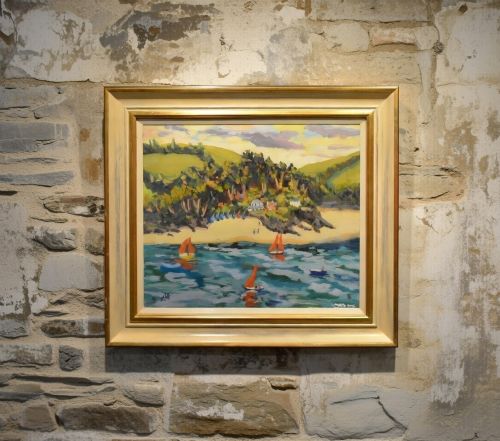
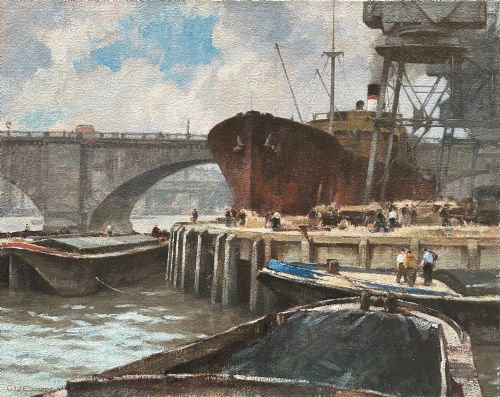
When you search for a blue maritime oil painting, you discover historical seascapes, harbour views and ship portraits rendered in oil.
Blue Maritime Oil Painting
A blue maritime oil painting captures coastal scenes, stormy seas, and naval vessels across several centuries of artistic tradition. These works range from grand depictions of clipper ships and steamships to quiet harbour views and oval sea vistas.
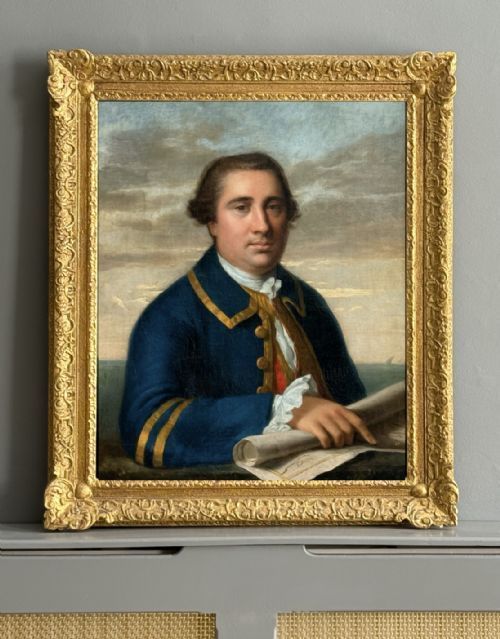
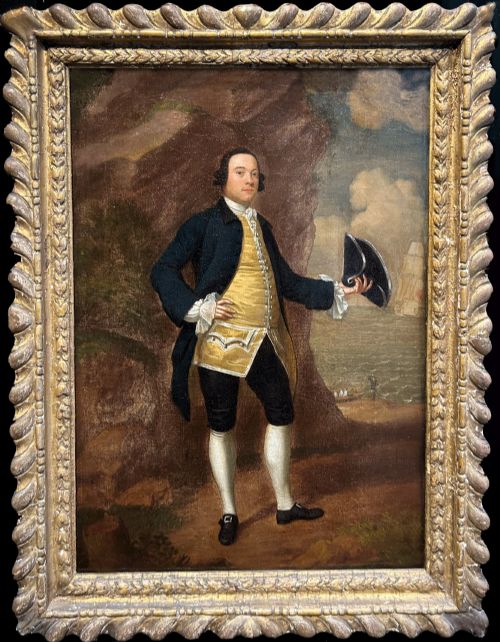
The pieces available originate from distinct historical periods, spanning 18th-century portraits of captains to mid-20th-century coastal interpretations. Buyers frequently encounter works categorised under maritime realism, British impressionism, and 19th-century marine art.
Support mediums vary between traditional canvas, wooden panels, and boards, each framing specific stylistic approaches. Whether depicting a Maltese harbour or the Venetian lagoon, the focus centres firmly on water, sky, and vessel interaction.
Materials and technique
Artists relied primarily on oil paint applied to prepared canvas or wood panels, utilising the slow-drying medium to blend atmospheric skies and restless water. Some compositions incorporate impasto techniques to build texture in crashing waves or billowing sails.
Framing materials commonly feature gilt wood and gilded wood, designed to complement the maritime palette and protect the edges of the canvas or panel. Support structures range from stretched linen on wooden frames to rigid wooden boards.
Listings feature works spanning the 18th century, Victorian era, Edwardian period, and mid-20th century.
Assessing the work
The standard of a marine painting rests upon the artist's command of light, shadow, and maritime architecture, particularly in the rigging of ships and the movement of water. Superior works display a convincing depth in coastal horizons and accurate anatomical details of vessels.
Provenance and attribution strongly influence a piece, with signed works by documented marine artists commanding greater recognition. The integration of original framing, such as period gilt wood, also contributes to the overall integrity of the piece.
Reginald Arthur Borstel·Francis Moltino·Bernard Benedict Hemy·Thomas Creswick·Charles Napier Hemy·Jean Baptiste Olive
The Blue Maritime Oil Painting Glossary
- Oil on Canvas
- A traditional painting medium where oil-based pigments are applied to a woven canvas stretched over a wooden frame. This combination allows for rich colour depth and subtle blending.
- Panel
- A rigid flat support made of wood used instead of canvas. Painters frequently utilised panels for smaller works or detailed maritime scenes.
- Impasto
- A technique where paint is laid onto a surface in thick layers, standing out from the canvas. This method adds tangible texture to elements like foaming sea spray.
- Gilt Wood
- Wood that has been treated with a thin layer of gold leaf or metallic gold paint. It was commonly used to finish frames for fine art paintings.
- Pierhead Painting
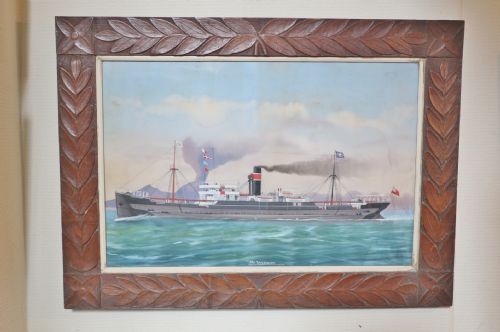
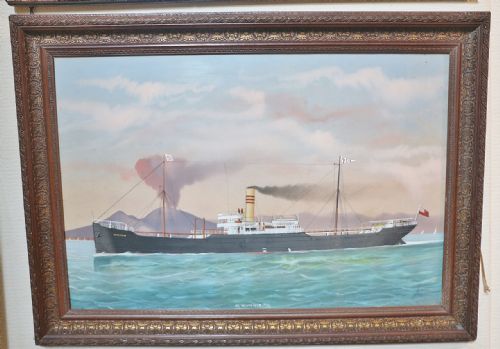
- A specific genre of ship portraiture, often commissioned by sea captains, depicting a vessel clearly and accurately near a port.
Blue Maritime Oil Painting: Frequently Asked Questions
What subjects appear in these paintings?
These works typically depict tall ships, steamships, fishing boats, and coastal harbours from various historical eras. Scenes often feature specific locations such as Venetian lagoons, Mediterranean ports, and British coastal towns.
Artists focused heavily on recording naval vessels, commercial clippers, and everyday maritime life. The mood ranges from calm coastal waters to dramatic storms at sea.
How do I date a maritime painting?
Dating relies on stylistic clues, clothing styles of any figures present, and the type of vessels shown, such as the transition from wooden sailing ships to WWI steamships. Signatures, artist life dates, and framing materials also provide reliable chronological markers.
Documentation on the reverse of the canvas or panel frequently records specific years, historical events, or the names of depicted ships.
Where should I hang these artworks?
Maritime oil paintings suit studies, living rooms, and hallways where traditional decor benefits from nautical history and deep blue tones. Direct sunlight should be avoided to protect oil pigments and gilded wooden frames.
Stable indoor humidity levels help preserve both the wooden stretchers and the oil paint layer over time.
How do panel paintings differ from canvas?
Panel paintings utilise a solid wooden base rather than flexible woven fabric, offering a rigid surface that resists punctures and slackening. This medium was often chosen for smaller or highly detailed coastal studies.
Canvas allows for larger scale works and yields slightly under brush pressure, whereas panels provide a completely firm resistance during painting.