



20th Century Marine Landscape
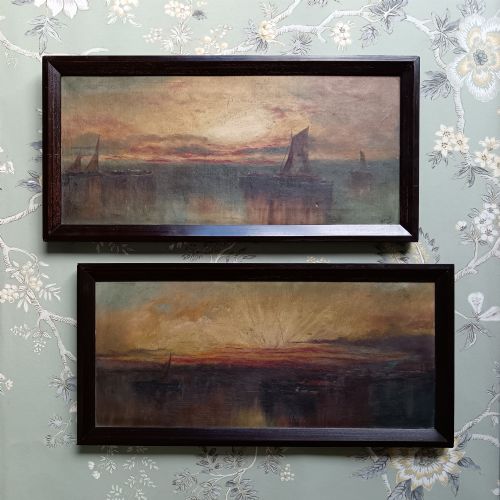
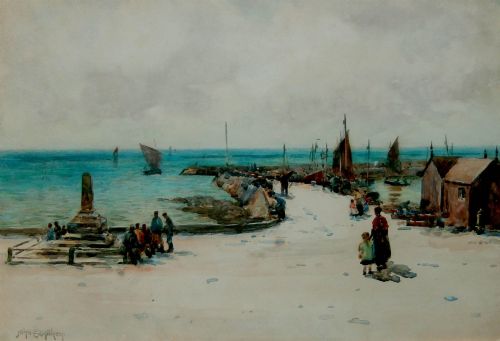
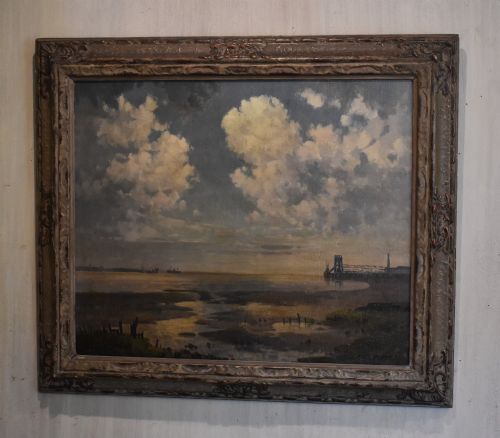
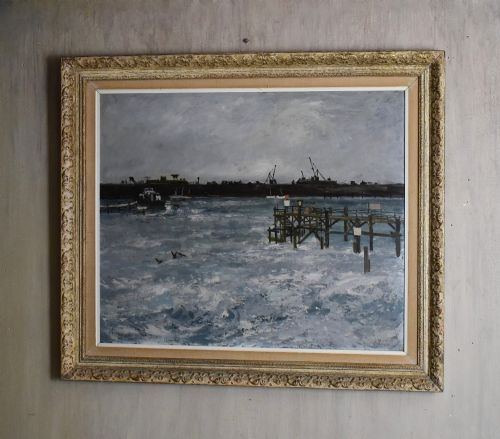
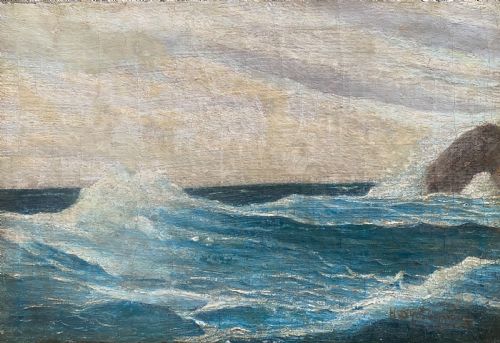
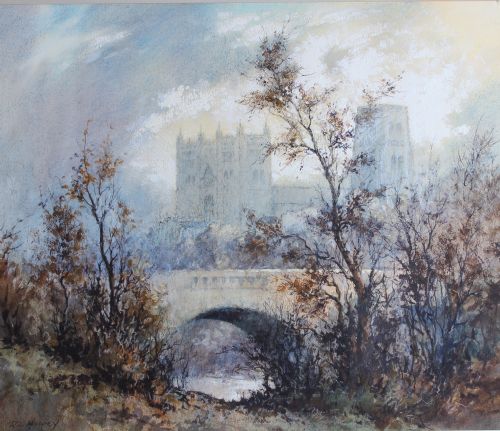
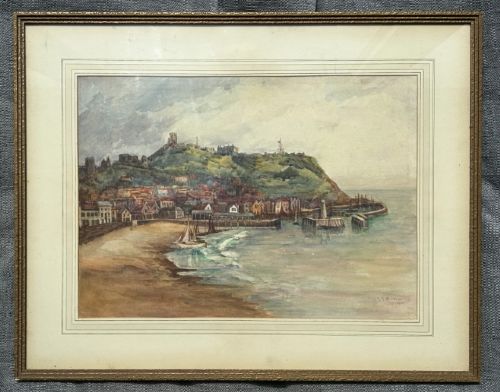
A 20th century marine landscape captures coastal harbours, working boats and open waters through the lens of changing light and painterly brushwork.
20th Century Marine Landscape
When you search for a 20th century marine landscape, you encounter depictions of coastal life, bustling harbours, and stormy seas created across decades of artistic shifting. These works span Edwardian romanticism through to mid-century impressionist interpretations of British, French, and international shores.
The version most likely to meet you on this page is an original oil painting on canvas or board, or a delicate watercolour on paper. Subjects range from Scottish fishing ports and Yorkshire bays to Mediterranean harbours along the Côte d'Azur.
Compositions often feature local vessels such as cobles or barges pulled up on shores, or moored in tidal estuaries. Painters focused heavily on the transient effects of weather, capturing sunrise, sunset, and moonlight over water.
Assessing the work
The distinction between ordinary decorative paintings and superior works lies in the confidence of the brushwork and the handling of natural light. Stronger pieces convey the palpable movement of choppy seas and the specific atmosphere of a harbour rather than just a flat record of a scene.
Artist reputation and documented exhibition history elevate certain canvases above anonymous school pieces. Provenance, original framing, and strong topographical identification add substance to individual paintings.
Artists frequently chased stormy weather to capture dramatic waves, risking wet boots for the sake of an authentic choppy sea.
Kenneth Cozens·B. Nash·John E. Aitken·Clive Browne·Peter Brannan·Dubovsky·Robert Leslie Howey·F A Roylance·Gustave Vidal·Fred Pailhes·Norman Lloyd·Fred Lawson·Fernando Del Basso·William Tuck·Edward Seago·John Bell·Donald McIntyre·Marc Aldine·Antoine Bouvard Senior·Denys Garle·S. J. Lamorna Birch·Godwin Bennett·Alec Caruthers Gould·Emile A Gruppe·Henri Cadiou
The 20th Century Marine Landscape Glossary
- Impressionism
- A style of painting that focuses on the accurate depiction of light in its changing qualities. Artists utilise visible brushstrokes and ordinary subject matter.
- Marine landscape
- Artwork depicting ships, coastal views, harbours, and the open sea. These scenes frequently document working maritime industries.
- Watercolour
- A paint consisting of spherical colorants suspended in a water-soluble vehicle. It is typically applied to paper to create translucent washes.
- Panel painting
- A painting made on a flat panel made of wood or other rigid material. This support was common for smaller works and miniatures.
- Provenance
- The chronology of the ownership or location of a historical object. It establishes authenticity and historical record.
20th Century Marine Landscape: Frequently Asked Questions
What defines a marine landscape?
A marine landscape focuses primarily on the sea, coastal shores, estuaries, and harbour scenes. It includes depictions of shipping vessels, fishing boats, and coastal architecture.
These works interpret maritime environments through various artistic movements spanning from Edwardian traditions to mid-century modernism.
How do I care for an old oil painting?
Keep canvas paintings away from direct sunlight and fluctuating temperatures to prevent the paint surface from cracking. Dust the surface gently with a soft, dry brush without applying pressure.
Avoid using liquid cleaners or damp cloths on the painted surface. Professional conservation is recommended for deep cleaning.
How can I date a painting?
Dating often relies on artist signatures, exhibition labels on the reverse, and stylistic clues within the clothing or vessels depicted. Framing style and the composition of the canvas or board also offer period context.
Many works include legible dates inscribed alongside the artist signature.
Where were these coastal scenes painted?
Locations range widely across British shores including Yorkshire fishing villages, Scottish harbours, and Welsh ports. Continental scenes feature prominently from the Mediterranean and the Côte d'Azur.
Artists frequently travelled to specific coastal colonies to capture local maritime industries.