


20th Century Maritime Art
20th century maritime art captures the enduring power of the sea through the skilled hands of painters and illustrators working across changing eras.
20th Century Maritime Art
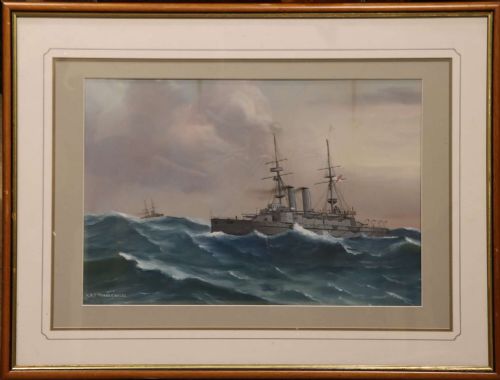
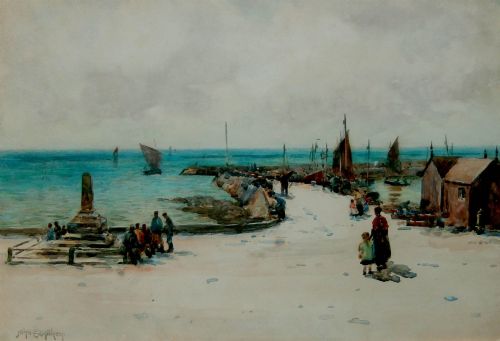
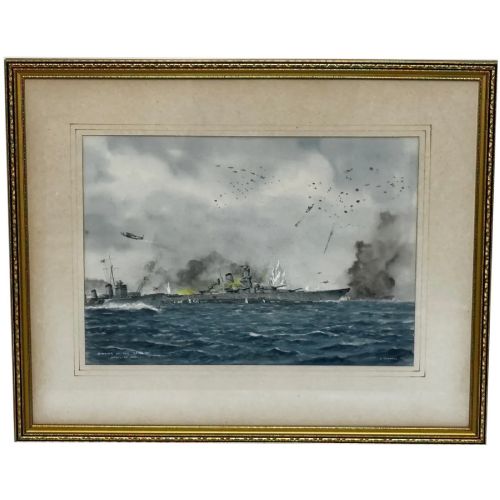
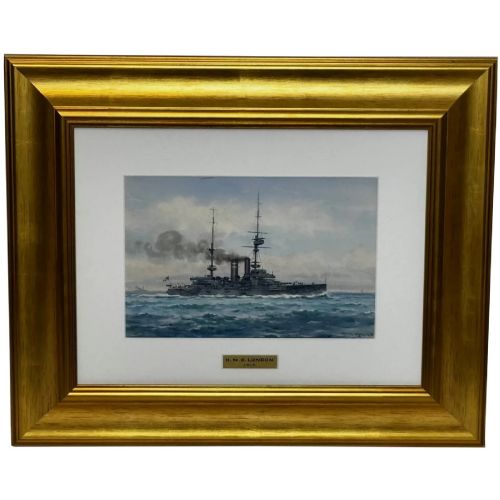
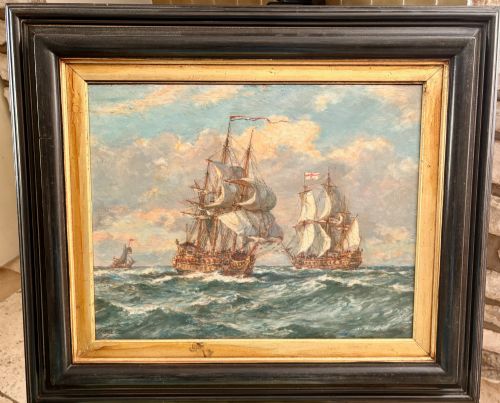
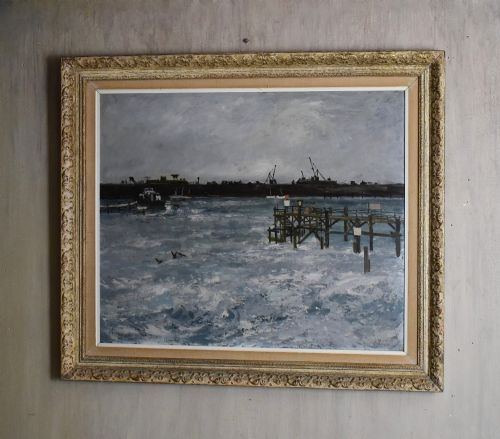
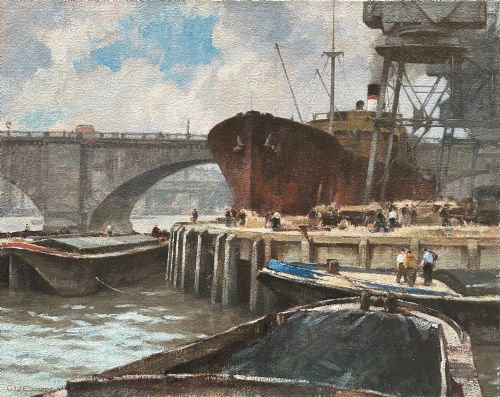
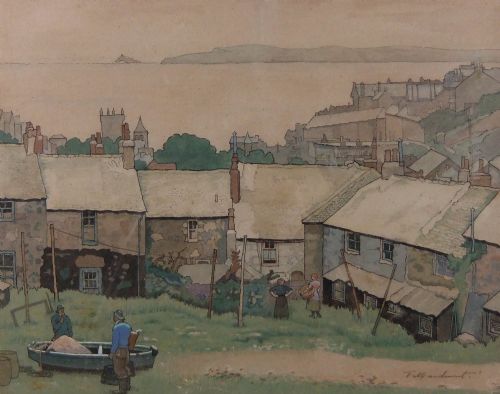
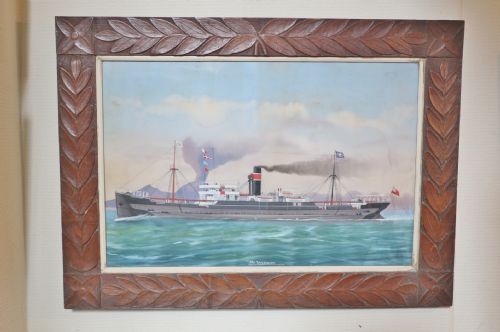
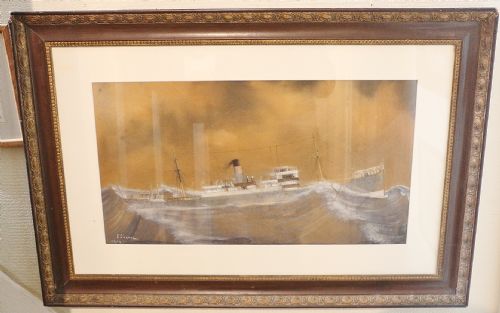
When you search for 20th century maritime art, you encounter a diverse range of paintings, watercolours, and works on paper recording naval vessels, coastal harbours, and working ships. These pieces capture the changing moods of the sea from the Edwardian period through to the mid-century decades.
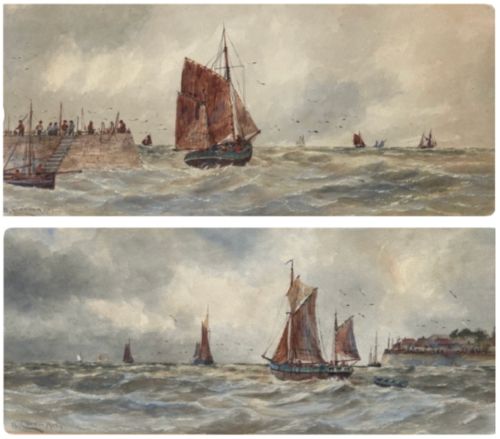
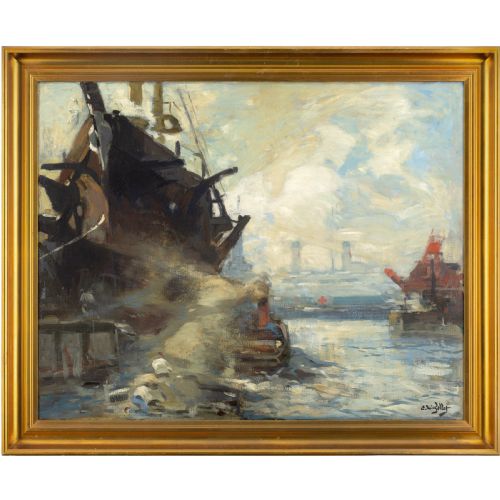
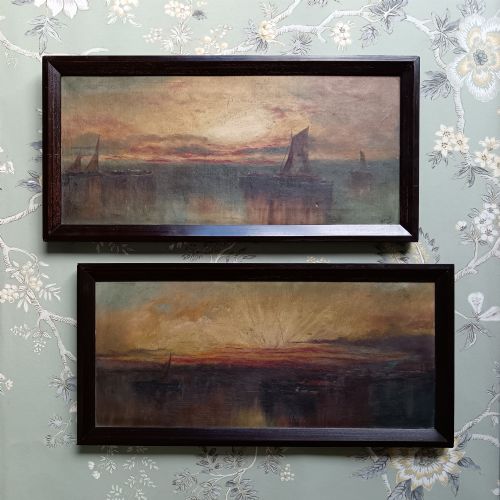
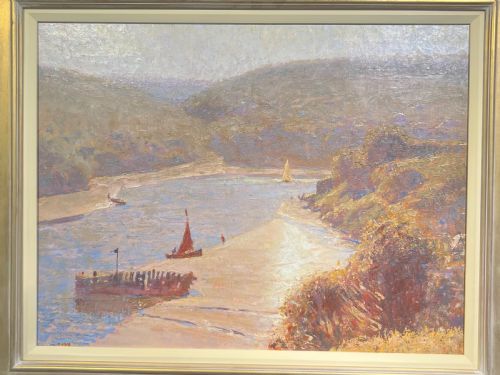
The selections on this page are predominantly British and European works executed in oil paint, watercolour, and gouache. You will find detailed depictions of specific warships alongside impressionistic studies of local fishing boats and bustling continental ports.
Materials and Technique
Artists of this era typically worked with oil paint on canvas or board, and applied watercolours or gouache onto paper for lighter, more immediate maritime studies. These traditional mediums allowed painters to capture the translucent quality of water and the dense atmosphere of coastal weather.
Support materials range from stretched canvas and wooden panels to heavy card and paper, frequently housed within original oak or moulded frames that complement the period of the artwork.
Several artists clearly preferred the smell of salt air, capturing choppy seas with enough vigour to make a viewer reach for their sea-sickness pills.
Assessing Quality
Quality in these maritime works rests upon the artist's command of light, atmosphere, and maritime architecture. Stronger pieces demonstrate a confident handling of water movement and accurate vessel rigging, while lesser examples rely on formulaic compositions.
The depth of the artist's tonal range and the successful rendering of atmospheric conditions, such as sea spray, smoke, or coastal mist, distinguish accomplished paintings from straightforward documentary illustrations.
Kenneth Cozens·William Cannon·Eugène-Louis Gillot·Charles Edward Dixon·Eric Tufnell·Frank Watson Wood·Bernard Gribble·Peter Brannan·Edward Seago·Owen Bowen
The 20th Century Maritime Art Glossary
- Gouache
- An opaque water-based paint that dries to a matte finish and allows for sharp highlights on water and vessel structures. It was frequently utilised by marine artists for crisp detail.
- Seascape
- A painting, photograph, or other work of art that depicts the sea. These works focus primarily on open water, coastal views, and maritime weather.
- Impressionism
- A style of painting that focuses on the visual impression of a moment, especially the shifting effects of light and colour. Mid-century maritime examples use rapid brushstrokes to suggest movement rather than meticulous detail.
- Board
- A rigid flat support material, such as wood or heavy paperboard, used by artists as an alternative to stretched canvas. Oil paint applied directly to board is common in smaller plein air studies.
20th Century Maritime Art: Frequently Asked Questions
What subjects appear in these works?
The pieces depict naval vessels, steamships, fishing boats, and foreign ports, reflecting the commercial and military importance of shipping during the period.
Artists recorded specific historical ships alongside general coastal scenes and tranquil harbour anchorages across Britain and Europe.
How do I care for works on paper?
Watercolours and gouache require protection from direct sunlight to prevent fading of the pigments over time. Glazing with appropriate framing materials helps shield the paper surface from moisture and atmospheric pollutants.
Displaying these pieces in stable indoor environments away from direct heat sources ensures the long-term preservation of the paper and any original mounts.
How are different decades identified?
Stylistic shifts and specific artistic movements help indicate the period of creation, moving from Edwardian illustrative detail to mid-century impressionistic freedom. Signatures, dates inscribed by the artist, and framing materials often provide corroborating evidence.
Depicted vessel types and naval architecture also offer clues to the precise era, as ship designs evolved rapidly through the first half of the century.
Where were these paintings created?
Works originate from studios and coastal locations across Britain, France, Italy, and beyond, capturing local harbours such as St Ives, Mevagissey, and the Venetian lagoon.
Many artists travelled extensively to major ports and naval bases, painting directly from life or working up detailed sketches upon their return to the studio.