

Antique Harbour Artwork
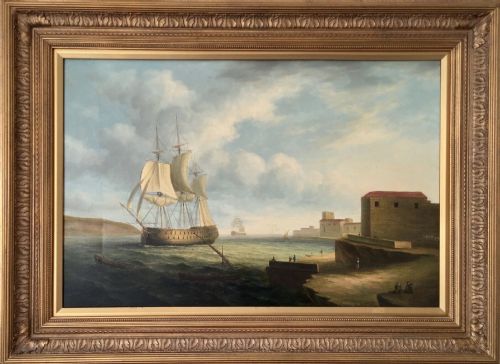
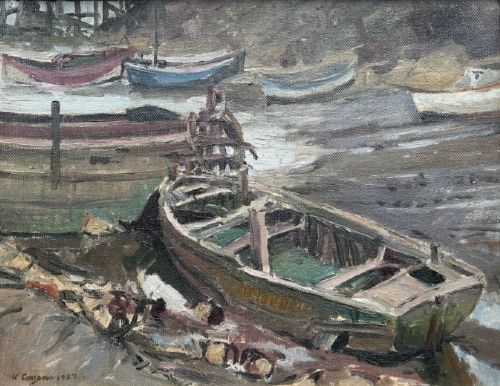
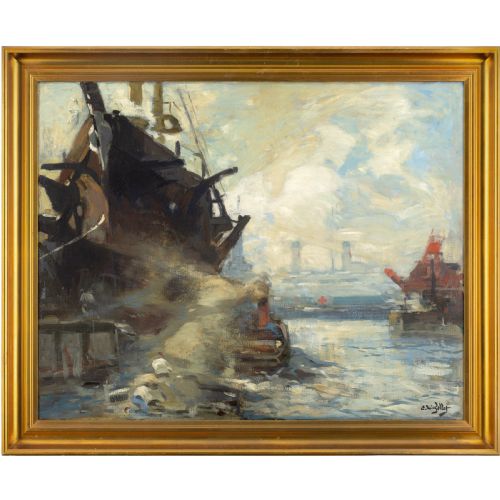
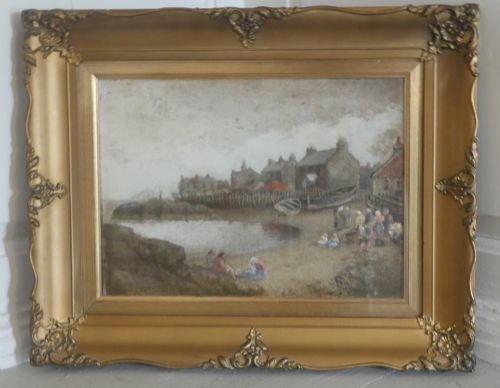
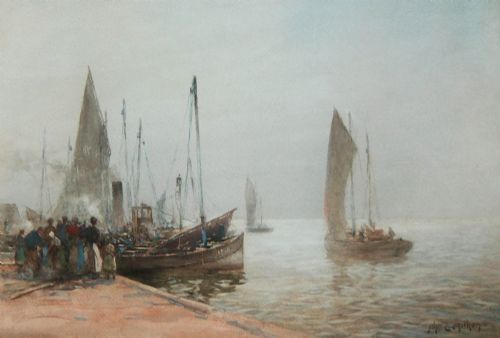
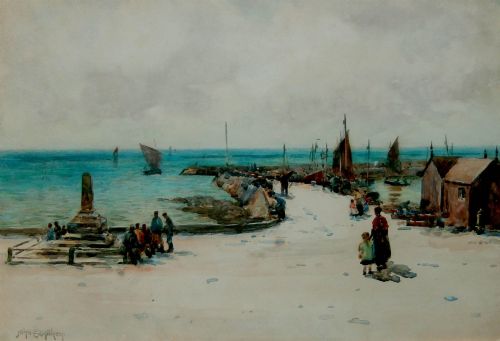
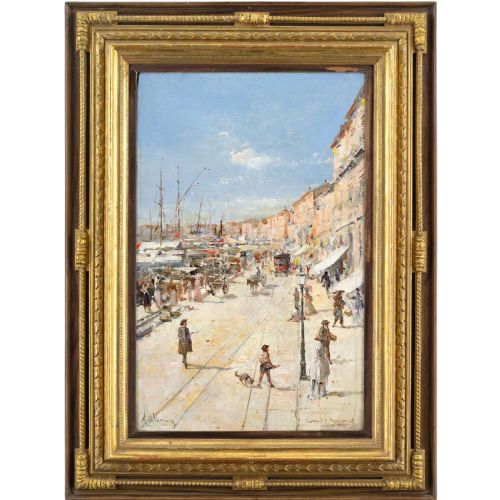
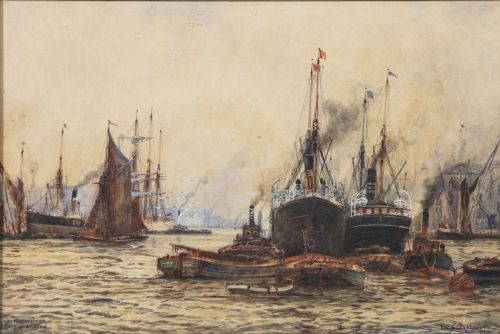
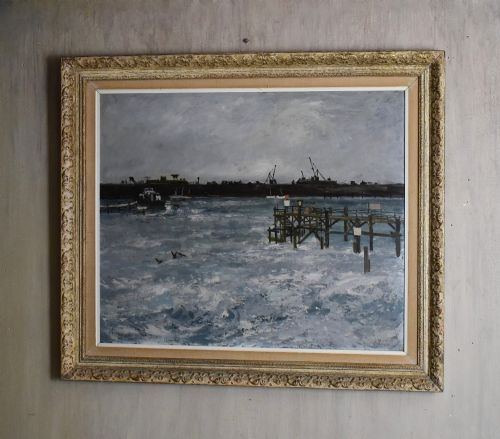
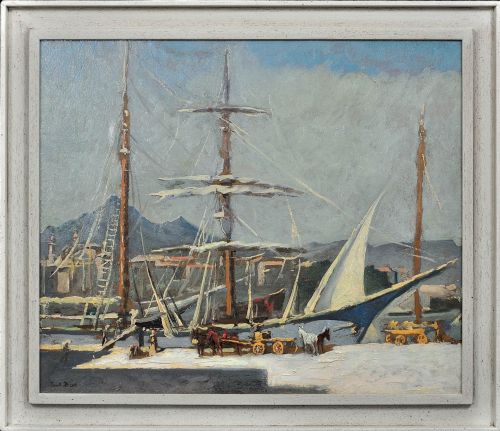
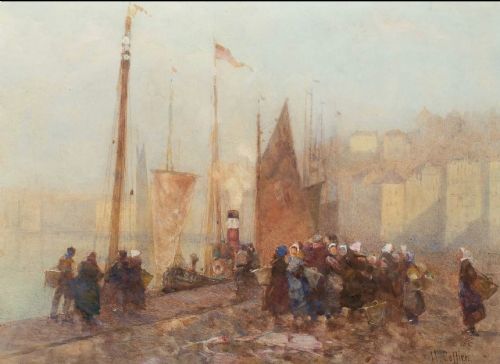
When you search for antique harbour artwork, you uncover maritime scenes capturing bustling ports, quiet fishing quays, and coastal vessels rendered in oils and watercolours.
Antique Harbour Artwork
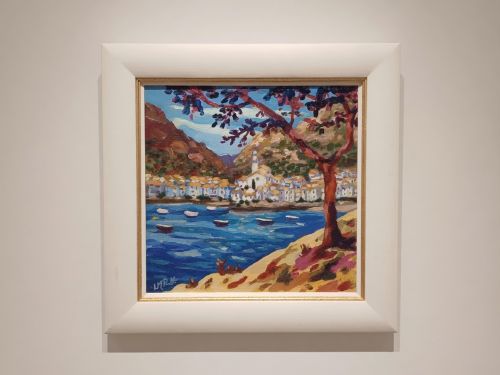
These pieces encompass paintings, watercolours, and posters depicting maritime scenes, coastal villages, and busy ports from the nineteenth and twentieth centuries. The selection on this page leans heavily toward watercolours and oil paintings created during the Victorian and Edwardian eras, alongside later twentieth-century interpretations.
Subjects range from British and European fishing harbours like St Ives, Whitby, and Venice to industrial dockyards and naval anchorages. Artists focused on recording the daily rhythm of maritime life, local shipping, and the changing light upon the water.
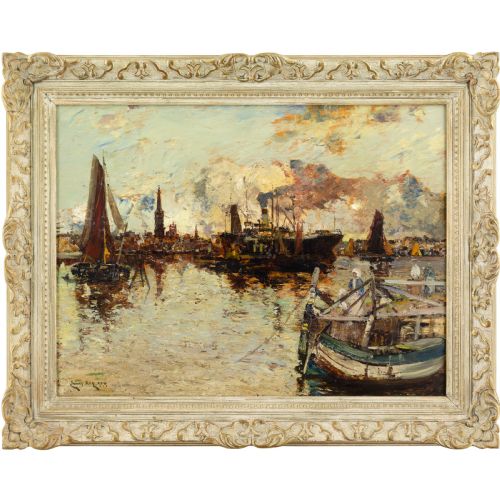
The objects appear in various traditional formats, including framed works on paper, oil on canvas, and panel paintings, often preserved in period gilt wood frames.
Materials and methods
Works on paper typically utilise watercolour or pen and wash applied to heavy stock, capturing the fluid atmosphere of coastal weather and tidal waters. Painters working in oils employed canvas or wooden panels, building up texture with layered pigments to depict the weight of ships and the movement of the sea.
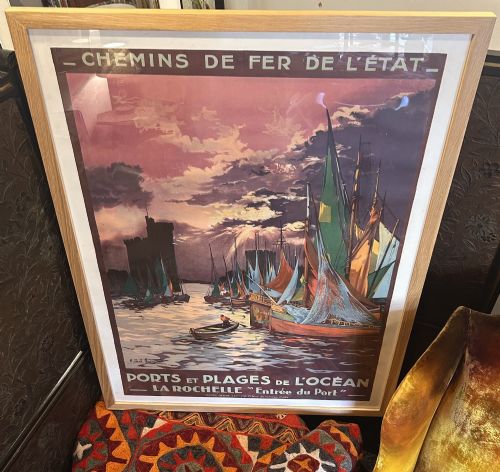
Many surviving examples are housed in their original gilt wood frames, which complement the tonal palette of the maritime subject matter. Print forms such as woodblock prints and lithographic railway posters also feature among the artistic records of ports and coastal destinations.
Factors of distinction
Quality rests upon the artist's ability to render atmosphere, perspective, and the specific architecture of maritime vessels with conviction. Stronger pieces display a confident handling of light upon water and sky, whereas lesser examples rely on formulaic compositions.
The survival of the piece in its original frame and the clarity of the artist's signature or attribution contribute to the overall integrity of the artwork.
Eugène-Louis Gillot·James Kay RSW·Augusto Alberici·Frank William Scarbrough·Hector Caffieri·Richard Henry Wright·Thomas Creswick·Willem Bos·Charles Euphraisie Kuasseg·Alfred G. Morgan·Charles William Wyllie·Paul Delvaux·William Edward Webb·Edward Matthew Elliott·Richard Harry Carter·Jean-Baptiste Olive·James Fry·William Lee Hankey·George Turland Goosey·Fred Lawson·Thomas Bush Hardy·Ernest Dade
The Antique Harbour Artwork Glossary
- Watercolour
- A painting method in which the paints are made of pigments suspended in a water-based solution. It allows for translucent washes that suit coastal skies and open water.
- Impasto
- A technique where paint is laid on an area of the surface in very thick layers, usually thick enough that the brush or painting-knife strokes are visible. This method adds tactile weight to maritime oils.
- Gilt wood
- Wood carved and treated with a thin layer of gold leaf or metallic gilt paint. These frames are frequently found enclosing nineteenth-century canvases.
- Marine painting
- Artwork that depicts or draws its main inspiration from the sea, ships, and coastal views. It forms the primary category for harbour scenes.
- Panel painting
- A painting made on a flat panel made of wood or other rigid material. This support was common for smaller oil works.
Antique Harbour Artwork: Frequently Asked Questions
What periods do these paintings come from?
The pieces span from the nineteenth century through the Edwardian era and into the mid-twentieth century. Most examples reflect late-nineteenth and early-twentieth-century artistic responses to coastal life.
Victorian and later Edwardian watercolours sit alongside modernist oils from the 1920s to the 1950s.
How should I display watercolour artwork?
Watercolours are sensitive to bright natural light and benefit from placement away from direct sun exposure. Proper framing behind protective glazing prevents fading of the delicate pigments.
Keeping them in stable indoor humidity conditions preserves both the paper and the original frame.
Are these works signed by the artists?
Many of the listed pieces bear signatures, monograms, or contemporary inscriptions identifying the artist or the specific harbour depicted. Signatures often appear in the lower corners of the painted surface.
Unsigned works are attributed based on style, technique, and period documentation.
What subjects besides harbours appear here?
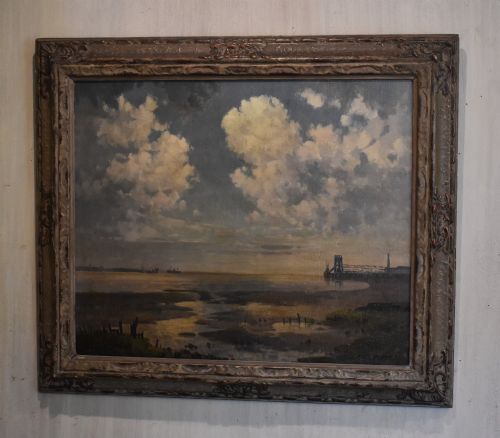
Alongside working fishing ports and naval anchorages, artists recorded coastal landscapes, estuaries, and river scenes. Views often include local shipping, boatyards, and adjacent town architecture.
Scenes range from calm tidal flats to dramatic coastal seascapes.