

Original Maritime Canvas
Original maritime canvas works capture historic shipping lanes, coastal harbours and turbulent seas through traditional oil painting techniques.
Original Maritime Canvas
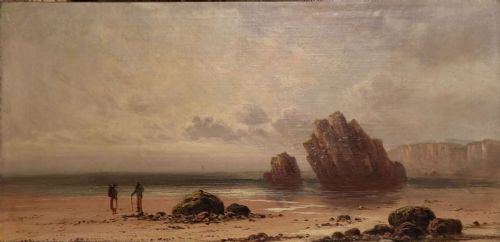
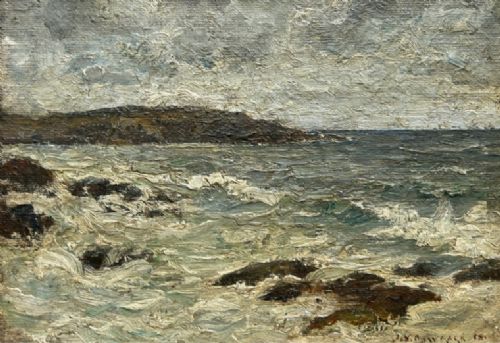
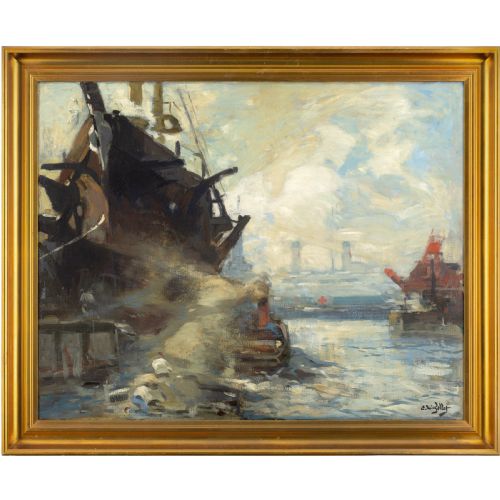
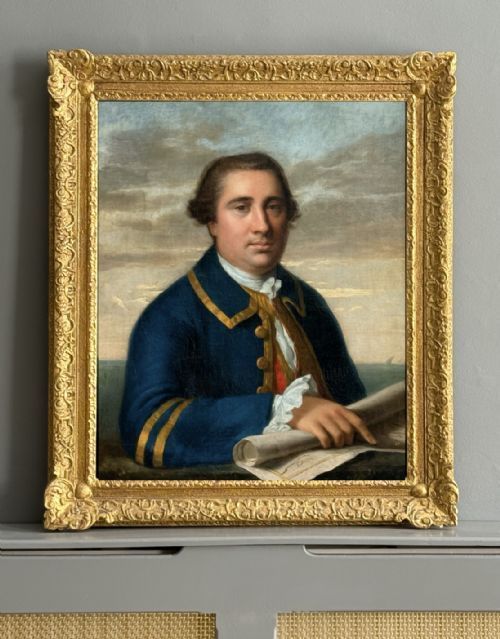
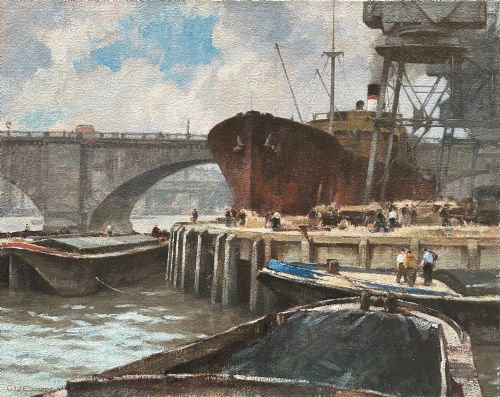
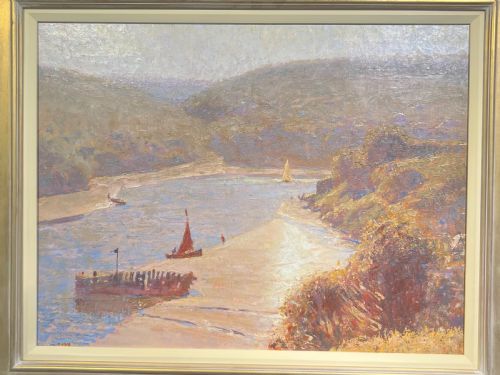
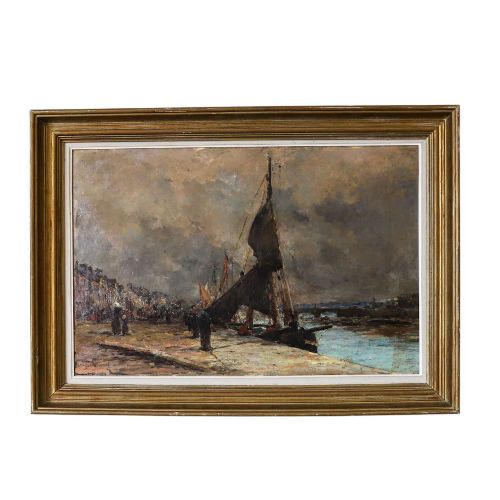
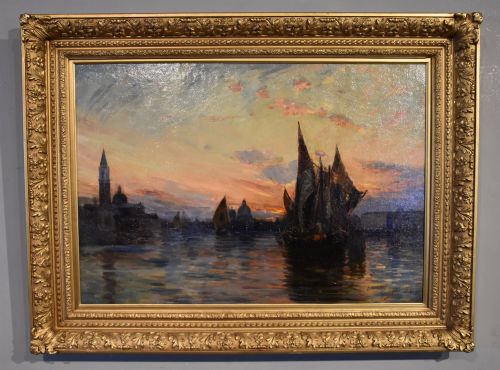
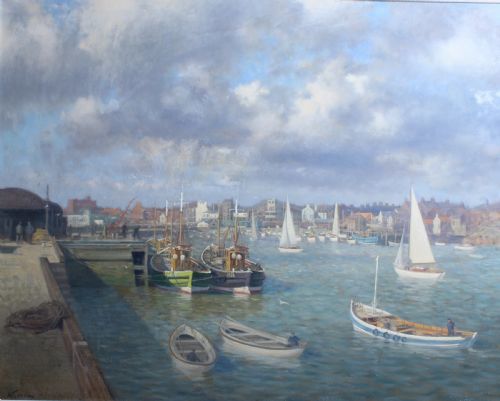
Original maritime canvas pieces encompass oil paintings depicting coastal views, sea battles, merchant vessels and working harbours across several centuries. A buyer searching this phrase encounters works ranging from eighteenth-century portraits of navy captains to mid-twentieth-century post-impressionist harbour scenes.
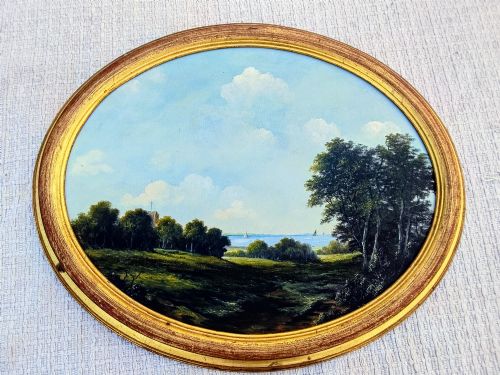
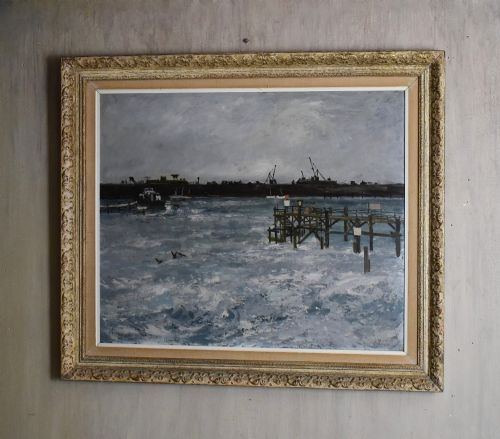
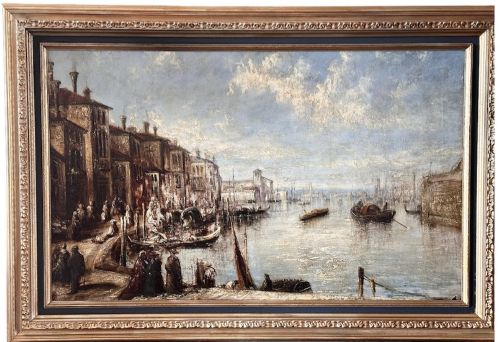
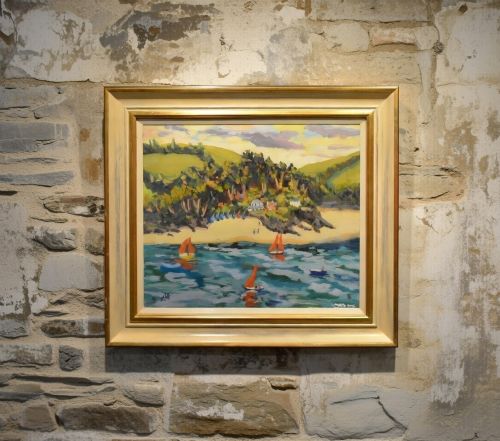
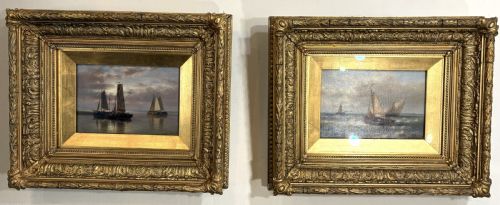
The selections span distinct periods including the Victorian era, the Edwardian period and various twentieth-century decades up to the nineteen-sixties. Formats include oval views, square compositions and grand harbour panoramas housed in period gilt wood frames.
Factors Determining Quality
The strength of the composition and the artist's ability to render light, water movement and vessel rigging separate accomplished works from routine topographical records. Works by documented painters with established exhibition histories typically demonstrate superior brush control and pigment preservation.
The integrity of the original canvas support and the retention of untouched paint surfaces influence the standing of a piece within the range.
British Impressionism and Post-Impressionism styles appear alongside traditional nineteenth-century maritime realism.
Lemuel Francis Abbott·Francis Moltino·Abraham Hulk I·Charles Napier Hemy·Edward Seago
The Original Maritime Canvas Glossary
- Canvas
- A heavy woven fabric used as a surface for oil painting. It is typically stretched tightly over a wooden frame before pigment is applied.
- Impasto
- Paint applied in thick layers that stand out visibly from the surface. This technique creates a textured effect that captures light dynamically.
- Gilt Wood
- Timber that has been coated with a thin layer of gold leaf or metallic gilt finish. These frames are traditional enclosures for maritime paintings.
- Seascape
- A work of art depicting the sea, ships, or coastal views. It serves as the primary subject category for marine paintings.
Original Maritime Canvas: Frequently Asked Questions
How do I date an old canvas?
Dating relies upon examining the canvas weave, the stretcher frame construction, and the style of the brushwork. Documentation or signatures on the reverse often provide verifiable dates.
Contextual clues such as vessel types, clothing styles in figurative elements, and framing materials also help narrow down the period of creation.
Where should I hang a marine painting?
These works suit spaces with stable humidity and indirect sunlight to protect the oil paint and canvas from degradation. Placing them away from direct heat sources ensures the longevity of the materials.
Displaying them at eye level allows the viewer to appreciate the fine details of the rigging and coastal topography.
How do I identify different maritime periods?
Eighteenth-century works frequently feature detailed sailing warships and rigid formal compositions. Nineteenth-century pieces often showcase dramatic seascapes and working coastal vessels under romantic skies.
Twentieth-century examples lean towards impressionist brushwork and simplified modernist forms, reflecting shifting artistic priorities.
What is the difference between marine and coastal art?
Marine art primarily focuses on the open sea, naval engagements, and ships operating away from the shore. It highlights the mechanics of sailing and maritime warfare.
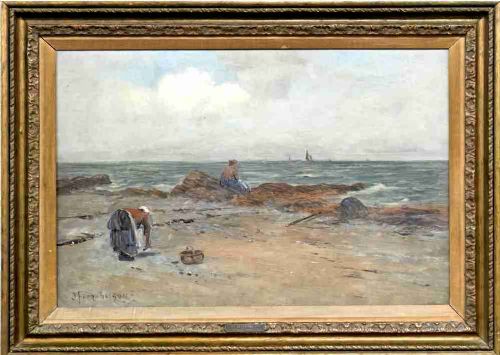
Coastal art centres on the land-sea interface, depicting beaches, harbours, cliffs, and shore-based activities like fishing and gathering seaweed.