




Artist in Studio Artwork
These artist in studio artwork pieces capture creative workspaces and painterly interiors, offering a direct window into the traditional life of the maker.
Artist in Studio Artwork
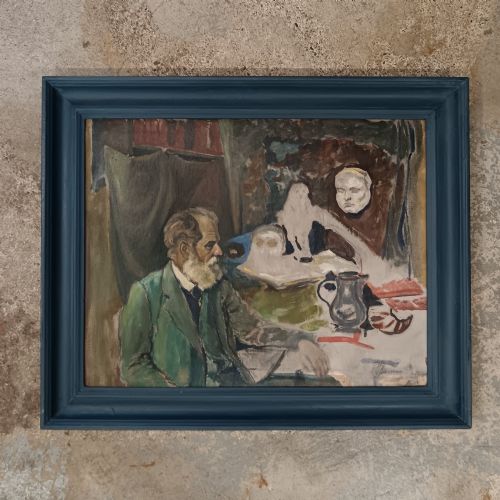
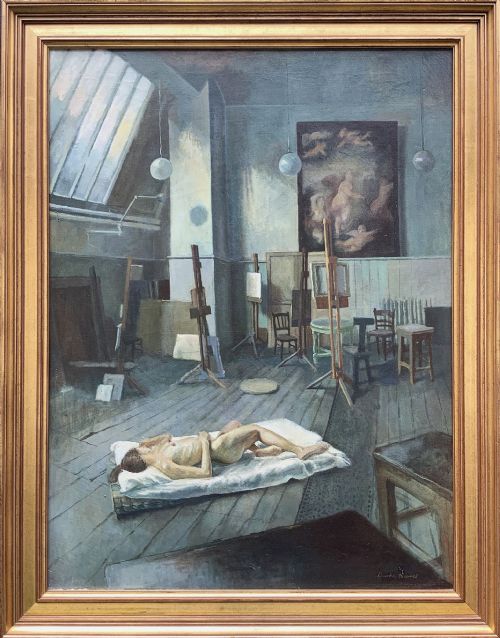
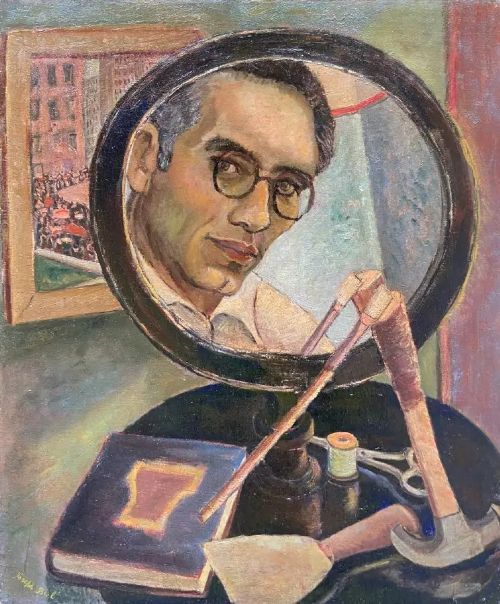
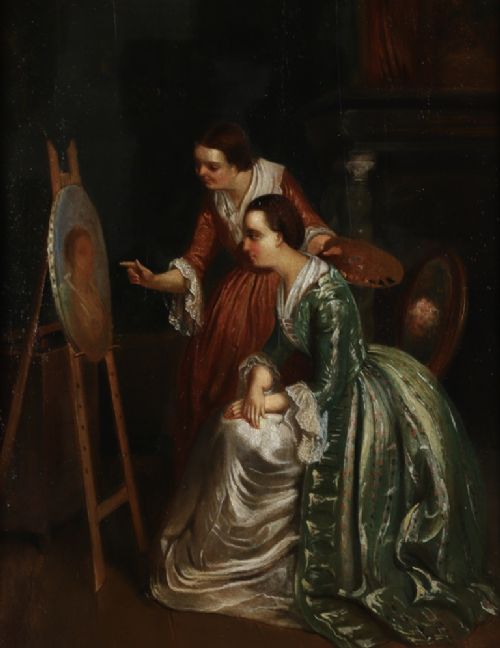
An artist in studio artwork represents a creative workspace, interior scene, or portrait connected to a painter's environment. When you browse this phrase, you encounter canvases, cards, and paper works originating from the nineteenth century through the mid twentieth century.
The selections span distinct stylistic traditions, including twentieth century British school compositions, modernism, and nineteenth century fine art. You are most likely to meet mid century modernist and realist interpretations capturing studio interiors, models, and self portraits.
How they were made
Makers applied oil paint directly onto canvas, wood, board, and card to build rich textures and tonal depths. Artists also utilised ink and watercolour on paper, often bound within sketch albums bearing personal stamps or seals.
Creators built these compositions using traditional techniques from the nineteenth and twentieth centuries, employing layered brushwork for interior light and shadow. Supports range from stretched canvas and heavy card to prepared wooden panels.
Artist in Studio Artwork Retail Price Guide 2026
Typical asking prices for artist in studio artwork among the pieces listed under this phrase on Sellingantiques today, from the lower quarter to the upper quarter. They describe what is for sale here now, not the wider market.
The listings span from the 19th Century through to 1960, utilising oil paint, ink, and watercolour on canvas, card, wood, and paper.
What varies in quality
The standard of execution depends on the precision of brushwork and the complexity of the interior perspective. Stronger examples handle light and shadow with assurance, grounding the figure within the studio space convincingly.
The depth of historical documentation influences the standing of a piece, particularly when studio provenance or identifiable makers are present. Works with well recorded backgrounds or clear signatures display a firmer connection to period movements.
Deidre Daines·Joseph Biel·William JB Jenkins·John Merrifield·YA MING·Pompeo Massani
The Artist in Studio Artwork Glossary
- Oil on Canvas
- A traditional painting medium where oil paint is applied to a woven fabric stretched across a wooden frame. This surface allows for considerable textural depth and blending.
- Modernist
- A twentieth century style characterised by a departure from traditional representation in favour of experimental forms and abstraction. Artists working in this manner prioritised personal expression over literal replication.
- School of Paris
- A term describing the community of foreign and local artists residing in Paris during the early twentieth century. These painters contributed significantly to modern art developments.
- Provenance
- The documented history of ownership of an artwork from its creation to the present day. Clear records help verify authenticity and historical context.
Artist in Studio Artwork: Frequently Asked Questions
What is an artist in studio artwork?
These works depict creative spaces, life classes, self portraits, and painterly interiors from the nineteenth and twentieth centuries.
They capture the physical environment where painters worked, often featuring easels, models, and personal tools.
How were these paintings constructed?
Artists utilised oil paint on canvas, wood, board, and card, alongside ink and watercolour on paper.
Supports varied depending on the period, with stretched canvas and prepared wooden panels being common choices.
How do I display them at home?
These pieces suit traditional and mid century interior settings, pairing well with classic wooden frames.
Keep them away from direct sunlight and damp conditions to preserve the integrity of the paint and canvas.
How can I tell the periods apart?
Nineteenth century pieces often feature detailed realism and formal portraiture, while twentieth century works lean toward modernist abstraction and looser brushwork.
Examining the materials, such as card or canvas boards, also helps indicate the era of creation.