


Original Gouache Artwork
Original gouache artwork brings vibrant opacity and swift hand-rendered detail to walls, spanning maritime scenes to modernist abstracts.
Original Gouache Artwork
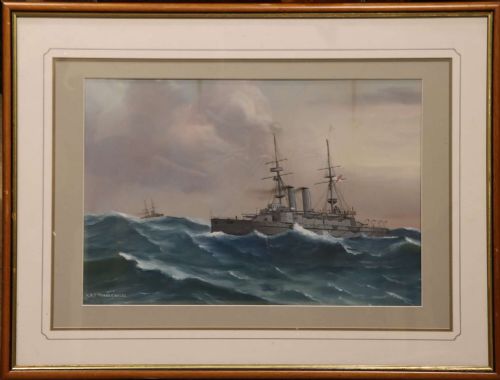
Original gouache artwork comprises hand-painted works on paper, board, and card utilising opaque water-based pigments. These pieces range from nineteenth-century picturesque landscapes and maritime depictions to mid-century modern abstracts and surrealist compositions.
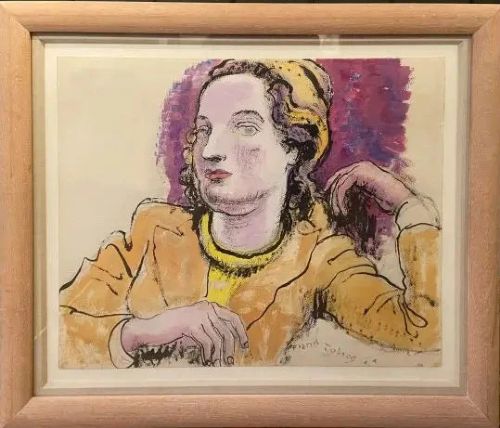
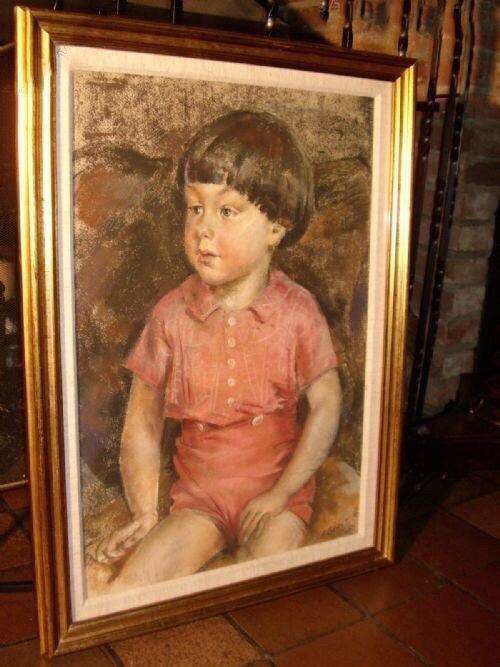
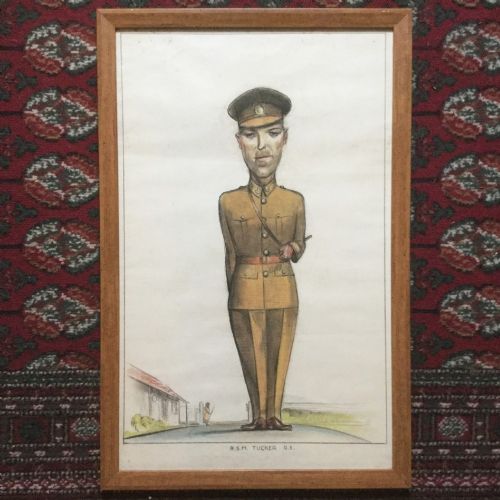
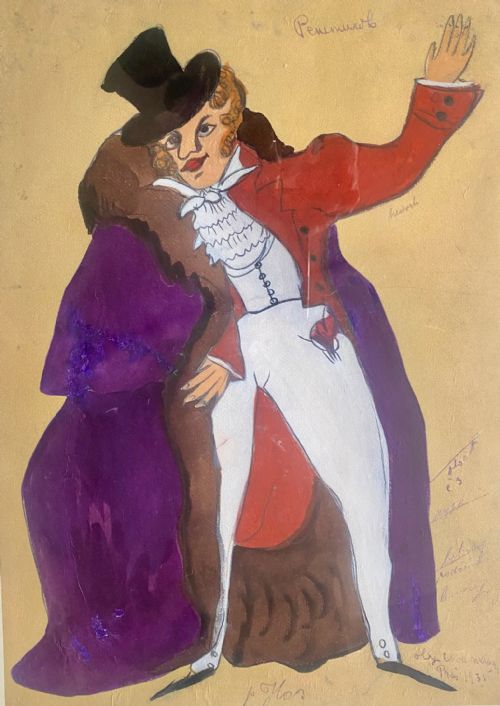
Buyers will encounter various subject matters on this page, including portraits, botanical studies, architectural views, and poster designs. The works stretch chronologically from the Victorian era through the Edwardian period and into the nineteen-fifties and sixties.
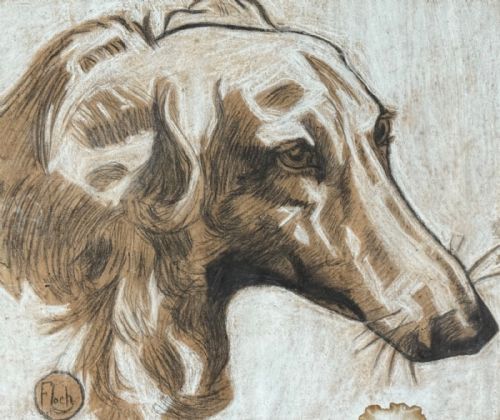
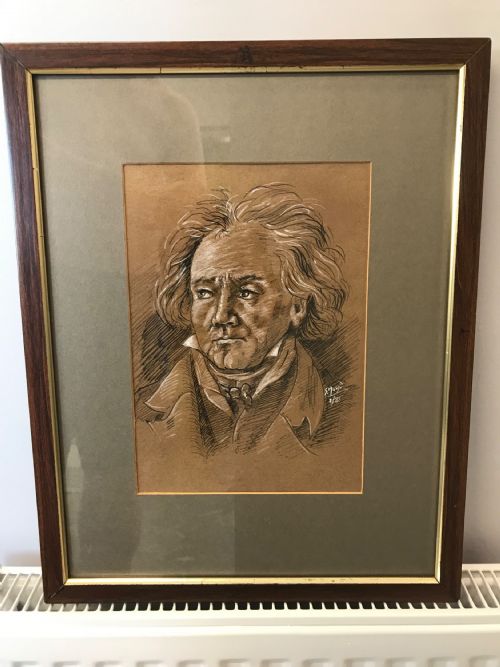
Many items combine gouache with watercolour, ink, pencil, or pastel to achieve texture and line definition. Pieces arrive framed or as works on paper, reflecting the varied application of the medium across different artistic movements.
Materials and technique
Artists apply gouache, a heavy water-based paint containing opaque white pigment, to supports such as buff paper, card, or board. This allows for flat, saturated areas of colour alongside fine brushwork.
Makers frequently combine media, laying watercolour washes, ink pen outlines, pastel shading, or pencil underdrawings beneath or over the gouache layers. Support materials like glass protect these fragile works on paper within frames.
Listings feature works created across two centuries, spanning the Victorian era through the nineteen-sixties using gouache, ink, pastel, and watercolour.
What separates examples
The strength of the composition and the confidence of the brushwork determine the visual impact of an individual painting. Works by named artists or distinct cultural traditions demonstrate higher technical execution in handling the opaque medium.
The condition of the paper support and the preservation of the pigment layers influence the integrity of each piece. Intact framing, minimal fading, and the harmonious integration of mixed media such as ink or pastel elevate the standard of the artwork.
Frank Dobson·Ludwig van Beethoven·J.A.Grant·R.S.M.Tucker·Olga Choumansky·Joseph Knight·Gaston Cornil·John Rattenbury Skeaping·Moliere·Kershaw Schofield·John Inigo Richards·Andrè Maurice·Milton Drinkwater·Montagu Barstow·Dame Laura Knight·Archille Zavatta·Jean Cuny·Reginald Mills
The Original Gouache Artwork Glossary
- Gouache
- An opaque water-based paint consisting of pigment, water, and a binding agent such as gum arabic, often with added chalk. It dries to a matte, velvety finish that reflects less light than transparent watercolour.
- Work on paper
- A piece of art executed on a paper support, which can include drawings, paintings, and mixed media creations. These items require framing behind glass to protect them from environmental damage.
- Mughal School
- An artistic tradition originating in the Indian subcontinent characterised by miniature painting techniques, fine detail, and rich pigments. Works in this style often depict courtly scenes and landscapes.
- Mid-Century Modern
- A stylistic development spanning the middle decades of the twentieth century, embracing abstraction, bold colour palettes, and simplified forms. Paintings from this period reflect contemporary graphic and design trends.
- Mixed media
- The integration of multiple artistic materials within a single composition, such as gouache combined with pastel, pencil, or ink. This approach builds surface texture and tonal depth.
Original Gouache Artwork: Frequently Asked Questions
How should I hang original gouache artwork?
Place these pieces away from direct sunlight to prevent the pigments and paper supports from fading over time. UV-filtering glass provides essential protection for water-based media.
Ensure the room humidity remains stable to avoid warping the paper or card substrate. Professional framing with acid-free mounts keeps the artwork safe from chemical degradation.
What is the difference between gouache and watercolour?
Watercolour is transparent, relying on the white of the paper to show through thin washes of colour. Gouache includes an added white pigment that makes the paint opaque and flatly matte.
This opacity allows artists using gouache to paint light colours over dark backgrounds, achieving a dense, saturated finish that resembles oil paint in its visual weight.
How do I identify the period of a gouache painting?
Examine the paper type, framing style, and aesthetic movement reflected in the composition. Victorian and Edwardian works often feature detailed realism or soft pastoral tones, while later pieces show modernist abstraction.
Signatures, artist dates, and subject matter such as wartime attire or mid-century poster design provide further clues to the decade of creation.
Can gouache be painted on wood or board?
Artists sometimes use rigid supports like board or wood panels for gouache paintings, particularly when the composition involves heavier layers of pigment or mixed media collage.
These rigid supports offer greater structural stability than paper, reducing the risk of creasing or buckling across large formats.