
Framed Gouache Art
Framed gouache art brings together opaque pigments on paper or board, offering rich colour and matte textures preserved behind glass.
Framed Gouache Art
Framed gouache art covers works created with opaque water-based paint, frequently combined with watercolour, ink, pencil or pastel on paper and board. Buyers searching for framed gouache art encounter a diverse selection ranging from maritime scenes and botanical studies to portraits and landscape paintings.
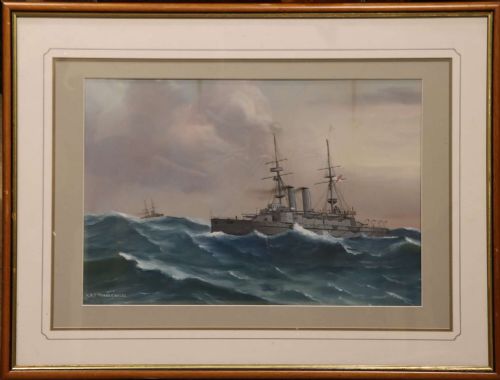
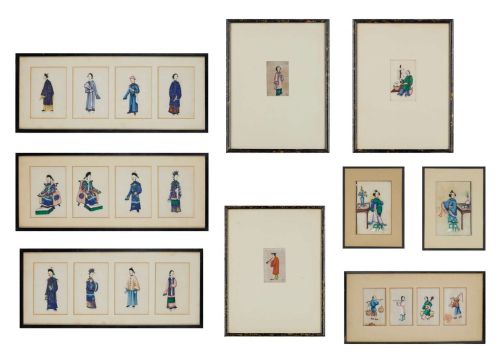
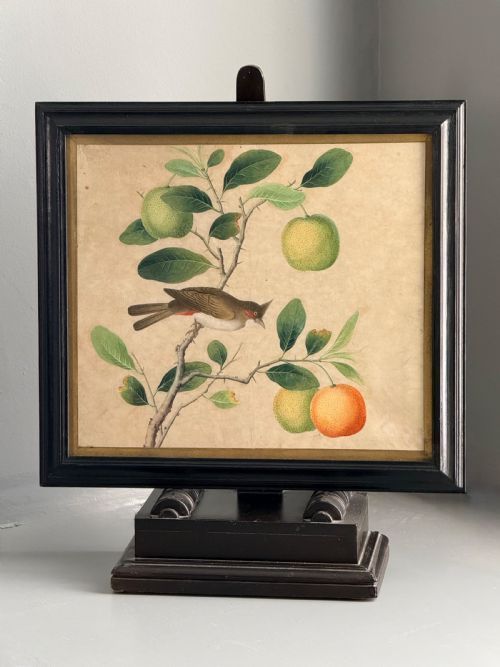
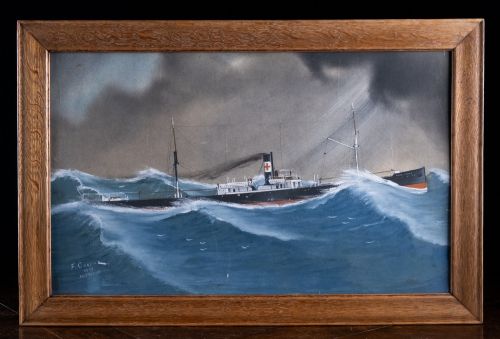
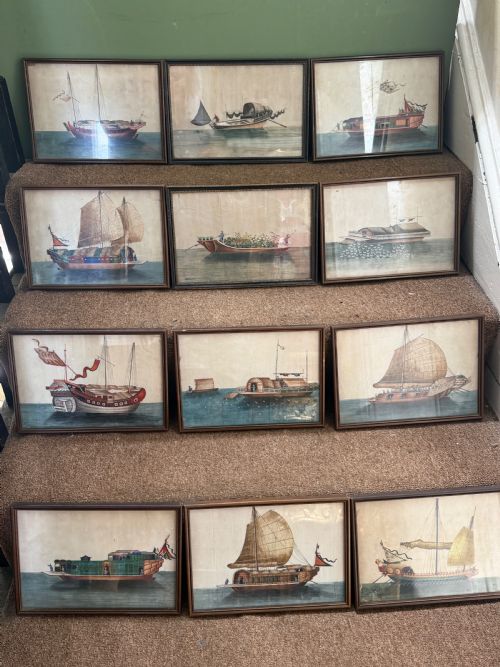
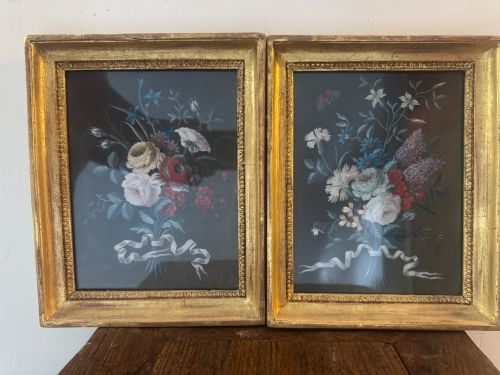
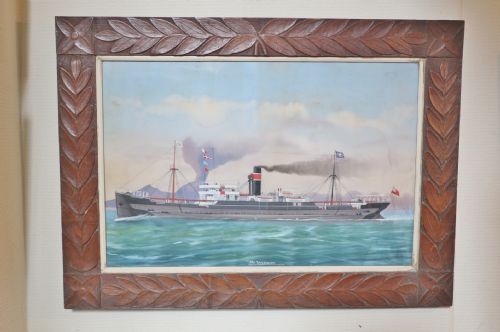
The inventory spans multiple eras, with nineteenth-century botanical studies and Chinese export pith paper paintings appearing alongside Edwardian naval vessels and mid-twentieth-century abstracts. Maritime subjects, including steamships and warships, form a notable portion of the available pieces from the early twentieth century.
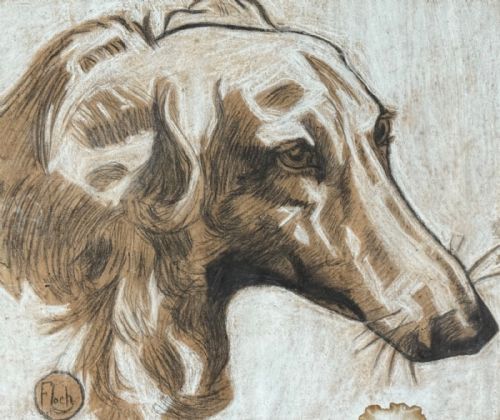
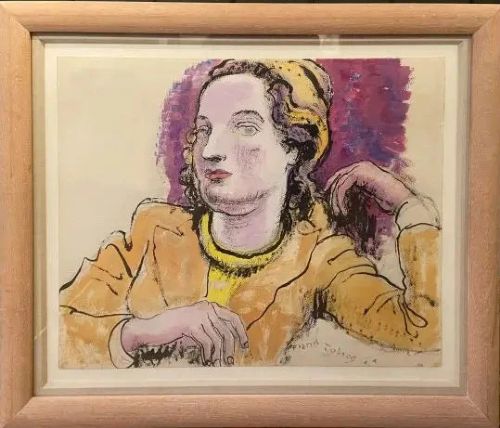
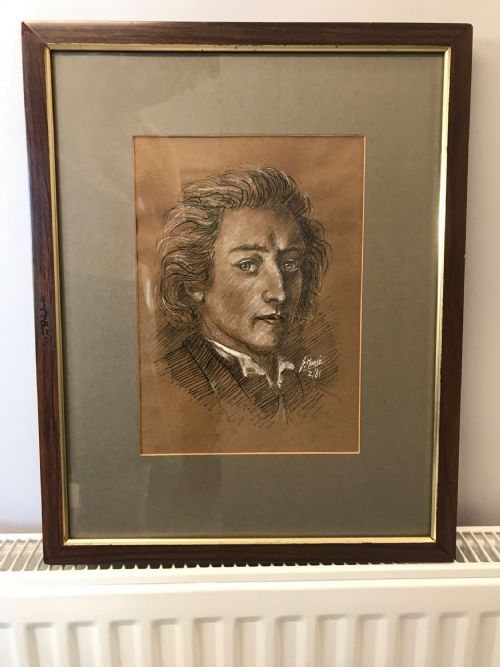
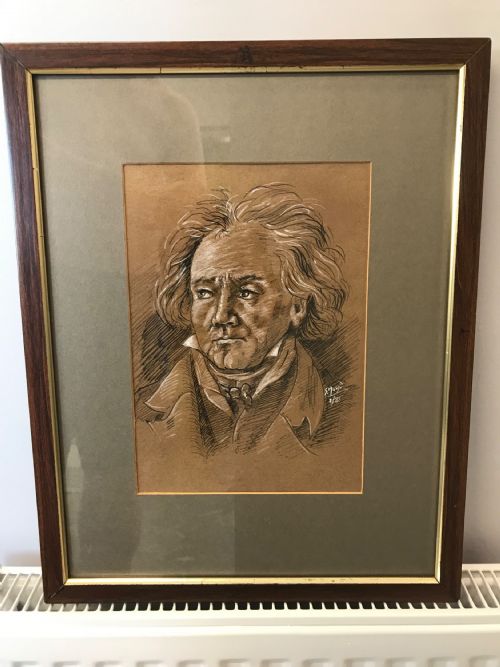
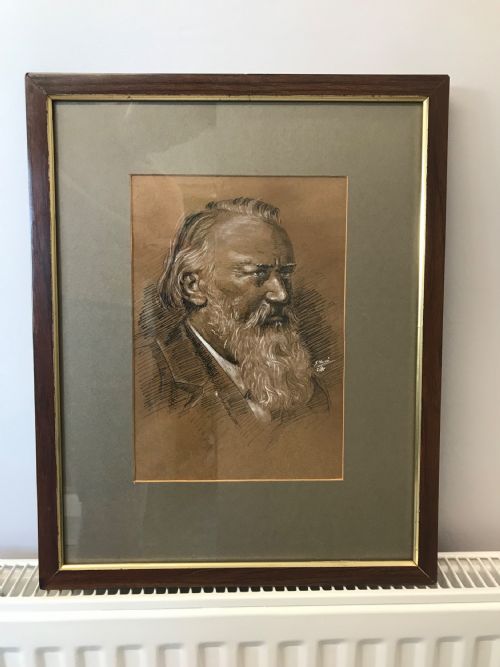
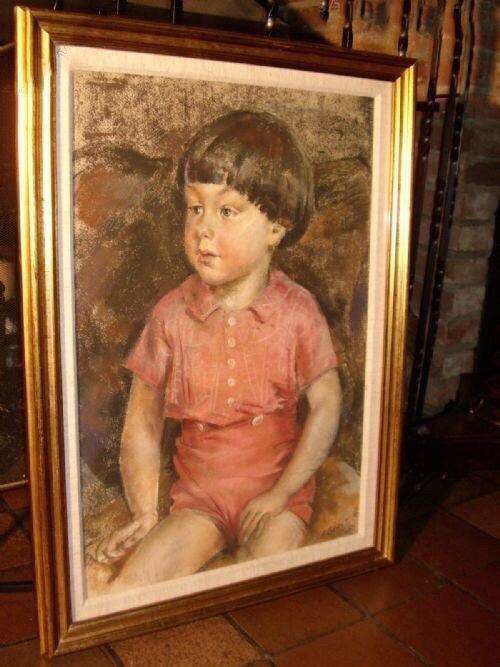
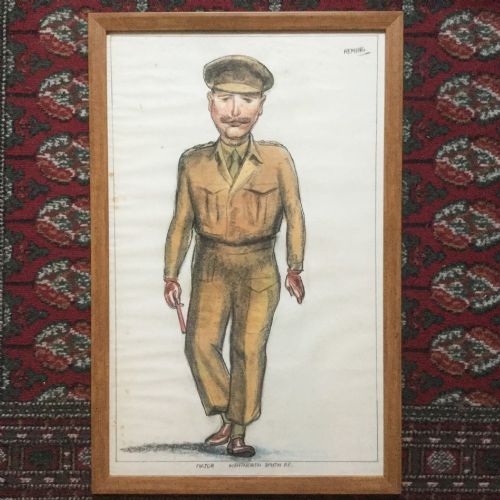
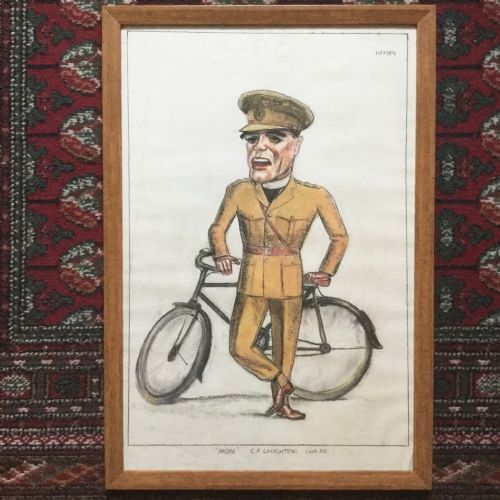
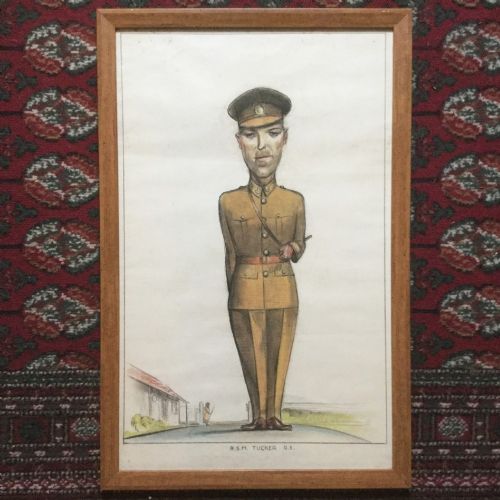
Portraiture ranges from Victorian depictions of young ladies to wartime sketches of army officers and studies of classical composers. Works on paper are generally presented in period wood frames under glass to protect the matte surface of the medium.
How they were made
Artists utilise ground pigments mixed with water and a binding agent such as gum arabic, often adding chalk to increase opacity and create flat, dense areas of colour. This heavy water-based paint is applied to various surfaces including buff paper, card, board and delicate pith paper.
Many compositions incorporate mixed media techniques, pairing gouache with pen and ink wash, pencil or pastel to delineate fine lines and shadows before filling areas with opaque colour. Works are subsequently secured within timber frames, frequently protected behind glazing.
Materials recorded across the selection include gouache, watercolour, pastel, ink, and pencil applied to paper, board, buff paper, and pith paper.
What varies in quality
Quality rests upon the precision of the draughtsmanship and the stability of the pigment layer across the paper or board support. Superior examples display confident brushwork and well-preserved colour vibrancy without extensive flaking or cracking in the opaque paint film.
The harmony between the artwork and its period frame influences the overall integrity of the piece, with original or complementary wooden mouldings enhancing the presentation of the works on paper.
Frank Dobson·John Rattenbury Skeaping·Gaston Cornil·Vincenzo D’Esposito·Alice Anne Renshaw
The Framed Gouache Art Glossary
- Gouache
- An opaque water-based paint composed of pigment, water, and a binder such as gum arabic, often containing chalk. It dries to a smooth, matte finish that reflects less light than oil paint.
- Pith paper
- A delicate material derived from the pith of the Tetrapanax papyrifer plant, commonly used in nineteenth-century Chinese export paintings. It has a velvet-like texture that absorbs opaque water-based pigments effectively.
- Mixed media
- An artwork combining two or more distinct artistic materials, such as gouache used alongside watercolour, pen, ink, pencil or pastel on a single sheet of paper.
- Board
- A rigid backing material used instead of paper for supporting paint layers, offering greater structural stability for heavier applications of opaque pigments.
Framed Gouache Art: Frequently Asked Questions
What is gouache paint?
Gouache is a water-based medium containing opaque pigments and a binding agent that dries to a matte finish. It differs from transparent watercolour through its heavier body and chalk content, which allows light colours to be painted over dark areas.
The medium permits artists to achieve solid blocks of vibrant colour alongside fine linear details when combined with ink or pencil. This versatility explains its frequent use in botanical studies, maritime paintings, and detailed portraiture.
How should framed works on paper be displayed?
Works executed on paper or pith require protection from direct sunlight to prevent the fading of delicate pigments and the yellowing of the paper support. Maintaining stable indoor humidity levels also helps preserve the condition of both the artwork and its timber frame.
Displaying pieces away from moisture sources and heat registers ensures the paper remains flat within its housing. The glass barrier protects the matte surface from dust and accidental contact.
What is pith paper art?
Pith paper paintings are historical works created on a delicate cellular material derived from plant pith rather than wood pulp. Nineteenth-century Chinese export artists utilised this surface for vibrant figural and botanical compositions.
Because the material is fragile, these pieces are typically mounted behind glass in protective frames. The unique cellular structure absorbs gouache pigments to produce a distinctive velvety appearance.
How are different periods identified?
Periods are distinguished by subject matter, framing styles, and the specific composition of the paper or board support. Victorian and Edwardian works often feature maritime themes, botanical studies, or formal portraiture with traditional wood mouldings.
Mid-century pieces shift towards abstraction and bolder colour palettes while retaining the characteristic matte texture of opaque pigments. Examining the backing materials and signatures provides further context for dating.