



Vintage Studio Portrait Painting
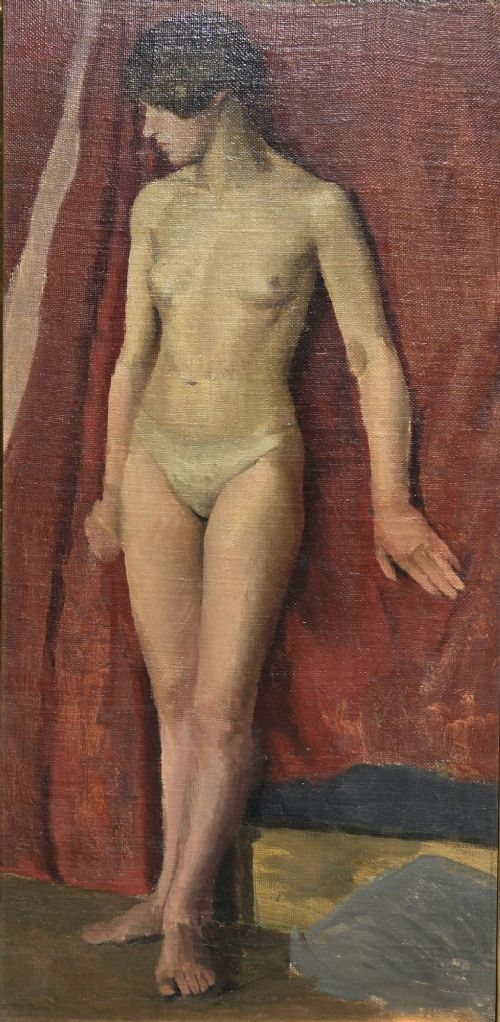
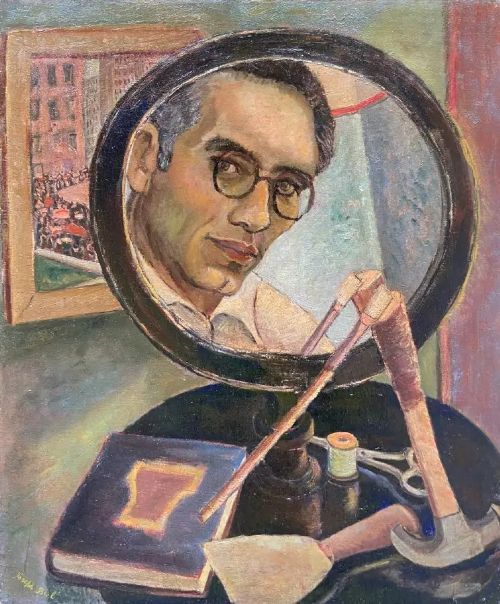
These vintage studio portrait painting works capture the intimate workspace and quiet presence of artists, sitters and models.
Vintage Studio Portrait Painting
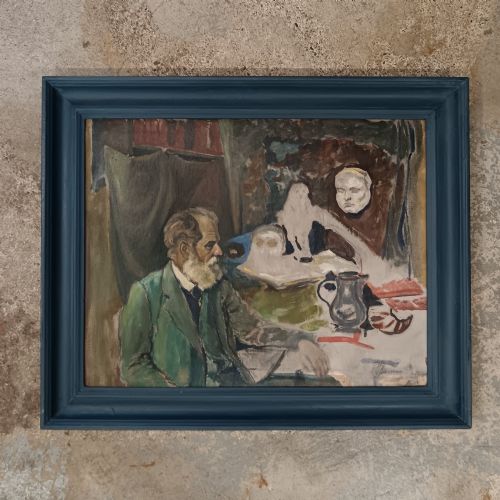
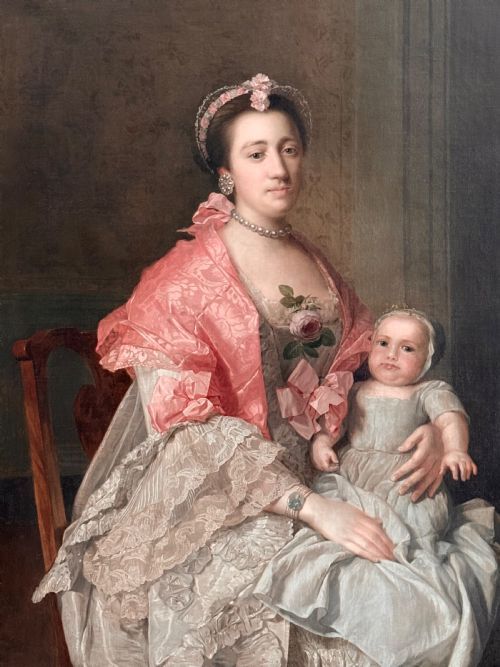
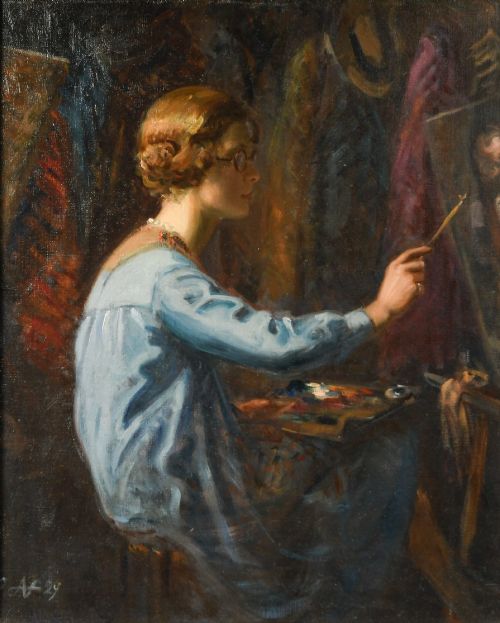
When you search for a vintage studio portrait painting, you are looking at oil works on canvas or card that record likenesses and studio interiors across the eighteenth, nineteenth and twentieth centuries. These pieces range from formal works attributed to historical workshops to modernist self-portraits and bohemian studies of artists and their models.
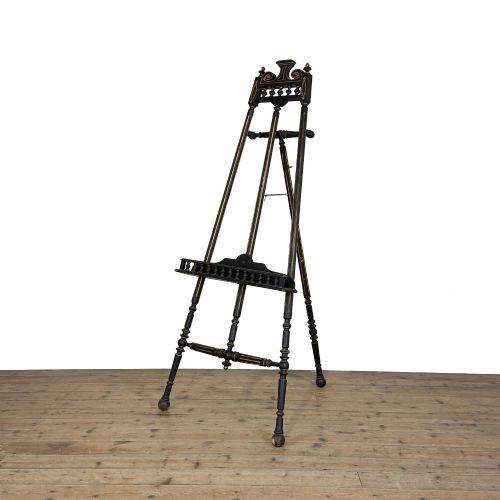
The selection on this page leans toward twentieth-century modernist canvases and card works, alongside nineteenth-century fine art pieces and Georgian portraits. You will also encounter related studio furniture such as ebonised wood floor-standing easels and oak double-sided gallery display stands.
How they were made
The physical foundation of these works relies principally on oil paint applied to prepared canvas or sturdy card. Artists utilised traditional pigments to build rich textures, capturing both the subjects and the tangible atmosphere of the painter's workspace.
Display hardware and framing materials demonstrate traditional craftsmanship, featuring ebonised wood, polished brass, and subtle applications of gold leaf. Easels and display stands are constructed from durable timbers such as oak, joined with robust pegged or screwed joints to support heavy canvases.
Vintage Studio Portrait Painting Retail Price Guide 2026
Typical asking prices for vintage studio portrait painting among the pieces listed under this phrase on Sellingantiques today, from the lower quarter to the upper quarter. They describe what is for sale here now, not the wider market.
Listings feature works spanning from the eighteenth century through the Victorian era into mid-century modernist and 1960s canvases.
What varies in quality
Quality in a vintage studio portrait painting rests upon the confidence of the brushwork and the psychological depth of the sitter. Stronger pieces reveal an assured handling of light and shadow within the studio interior, whereas lesser works rely on stiff formality and flat colour application.
The integrity of the physical support matters just as much as the pigment layer. Works executed on stable canvas or thick card demonstrate better longevity, while associated pieces like easels are judged by the soundness of the timber and the original working condition of their mechanical adjustments.
Sir Allan Ramsay·Joseph Biel·Winifred Rymer·Geoffrey Robert Russell
The Vintage Studio Portrait Painting Glossary
- Oil on card
- A painting executed with oil-based pigments upon a rigid pasteboard or card support. This medium was frequently favoured for rapid studies and informal sketches.
- Ebonised wood
- Timber, often fruitwood or beech, treated with a dark stain or chemical process to imitate expensive ebony. It was widely utilised in Victorian framing and studio furniture.
- Modernist
- An artistic movement spanning the twentieth century characterised by a break with traditional representation. Works in this style often employ simplified forms and expressive brushwork.
- Aesthetic Movement
- A late nineteenth-century design style emphasising visual beauty and artistic expression over narrative or moral themes. Furniture and frames from this period often feature stark, clean lines and ebonised finishes.
- School of Paris
- A loose affiliation of artists working in Paris during the early twentieth century, particularly in bohemian quarters like Montparnasse. They experimented with various avant-garde approaches to portraiture and the figure.
Vintage Studio Portrait Painting: Frequently Asked Questions
What is a studio portrait?
A studio portrait is a painting created inside an artist's workspace, frequently depicting fellow artists, models, or sitters surrounded by the tools of the trade. These works offer a direct glimpse into the private environment of creative production.
They differ from commissioned parlour portraits by prioritising artistic atmosphere, informality, and the reality of the bohemian life over rigid social status.
How do I date these paintings?
Dating relies upon stylistic markers, costume details, the material support, and the technical execution of the brushwork. Twentieth-century modernist works show looser abstraction, while Georgian and Victorian examples employ more traditional academic methods.
Examining the reverse of the canvas, stretcher frames, and any inscribed signatures or dates on the card provides further historical context.
How should I display an easel?
Floor-standing easels and gallery display stands were originally built to hold working canvases or exhibit finished pieces in a studio or salon. In a modern interior, they function effectively as structural supports to display framed artworks at eye level.
Ensure the floor-standing base is balanced securely on an even surface, and check that any adjustable pegs or winding mechanisms are stable before mounting a heavy frame.
Are card paintings durable?
Oil on card works are surprisingly resilient provided they have been kept away from excessive moisture and direct sunlight. Card acts as a rigid, stable ground for oil paint, though it lacks the natural flex of woven canvas.
Framing behind glass with proper acid-free mounts protects the card edges from chipping and environmental wear over the decades.