



Framed Paper Wall Art
Framed paper wall art spans centuries of works on paper, offering historical portraits, delicate watercolours and vibrant prints ready to display.
Framed Paper Wall Art
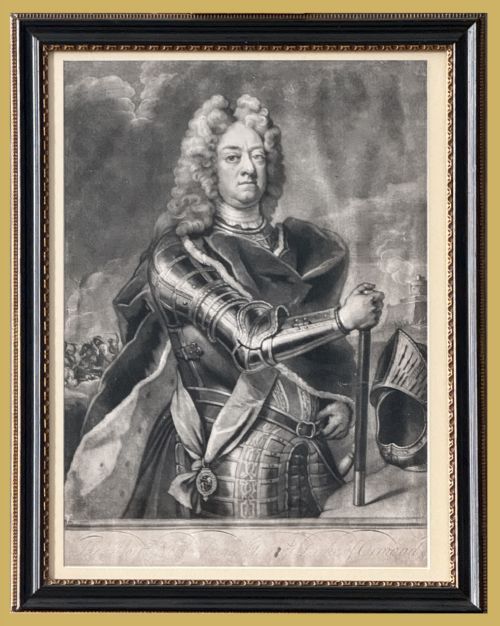
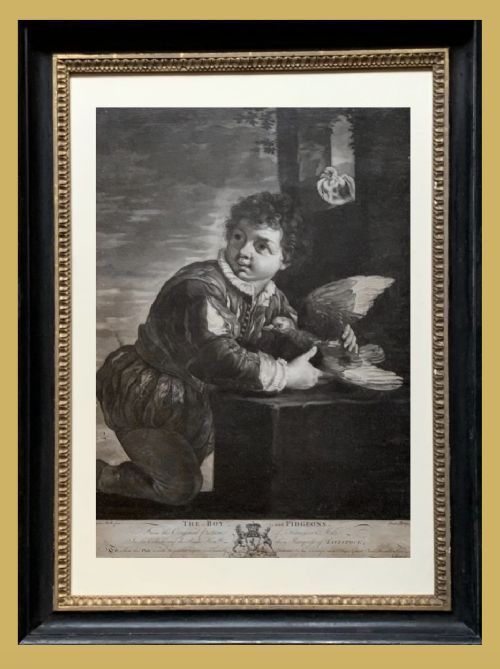
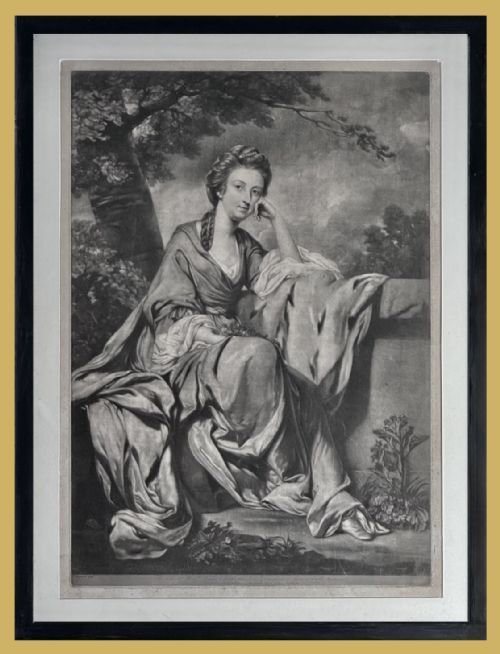
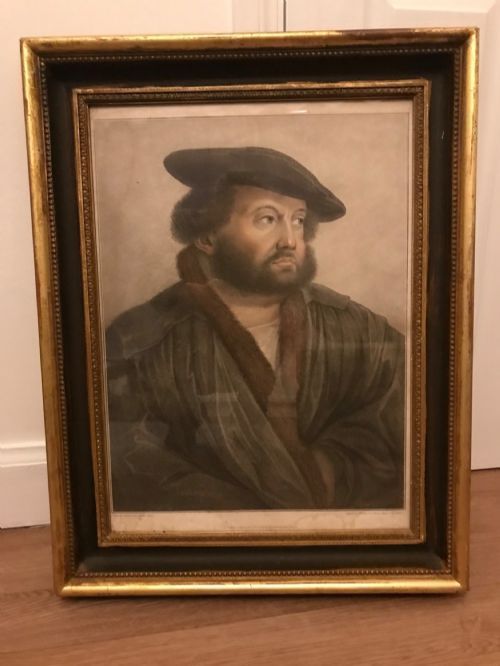
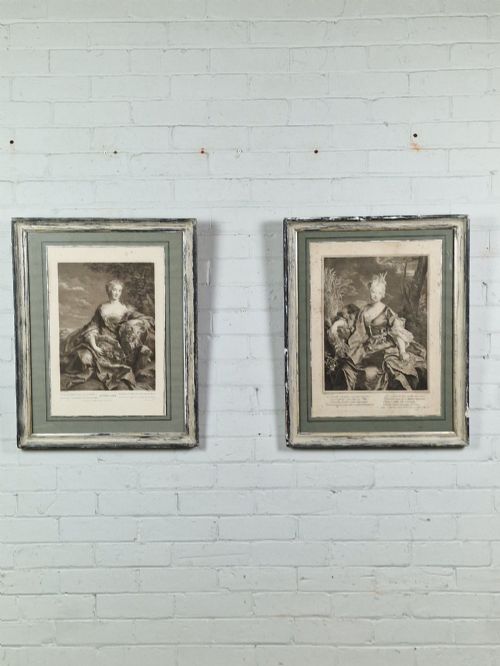
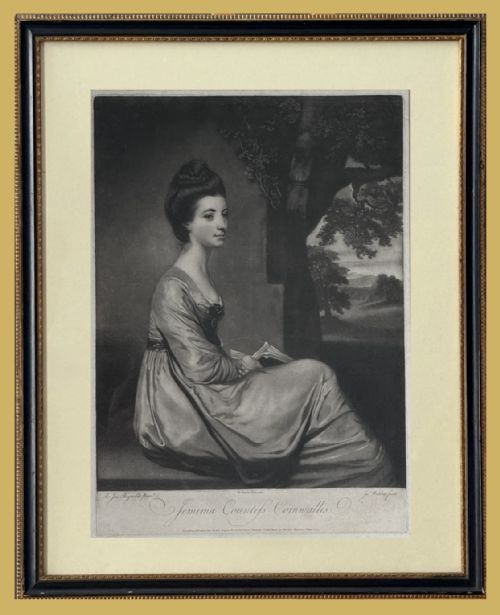
When you search for framed paper wall art, you encounter a diverse collection of works spanning from the seventeenth century through to the mid twentieth century. These pieces include hand-coloured engravings, detailed mezzotint portraits, original watercolours, and vintage advertising posters.
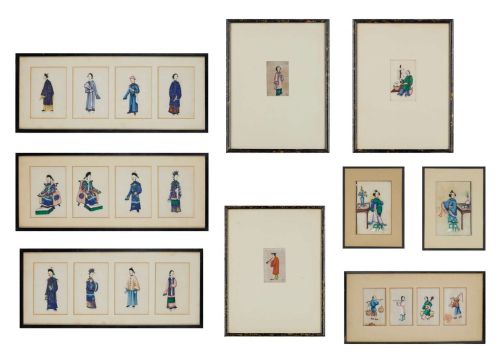
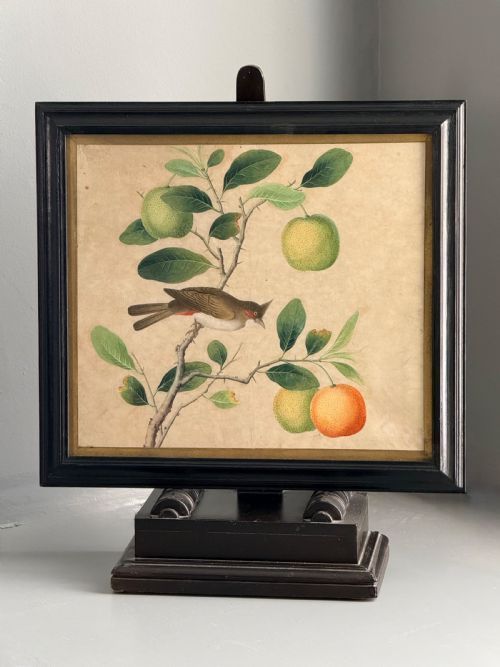
The selection reflects varied origins and styles, ranging from Georgian and Baroque pieces to Chinese export pith paintings and Art Deco prints. Most items arrive protected behind glass within period wood frames, preserving fragile surfaces that would otherwise deteriorate over time.
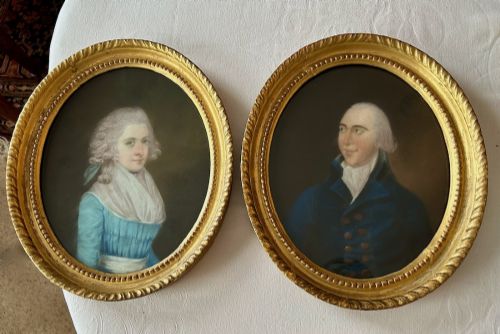
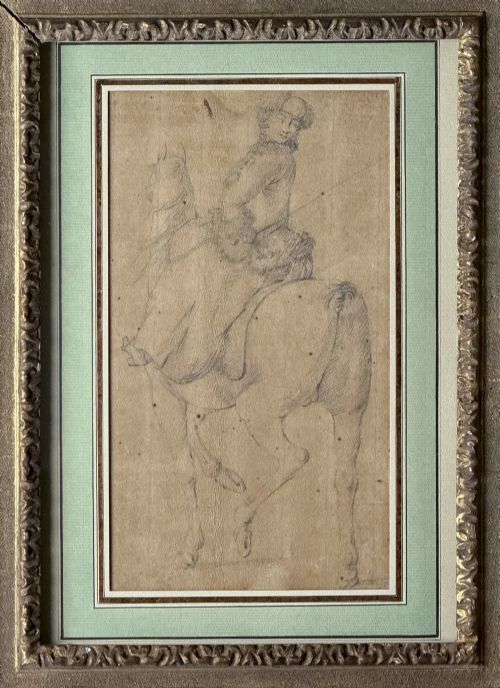
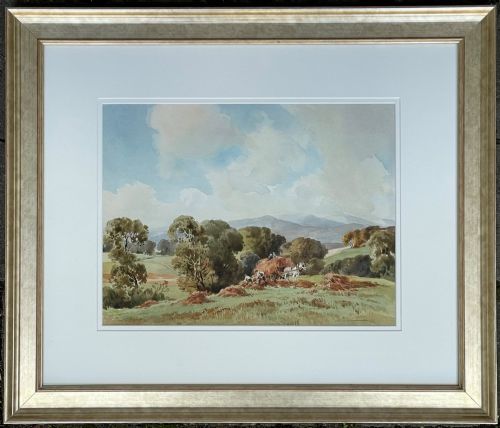
Buyers seeking specific historic periods will find seventeenth-century cartography, eighteenth-century pastel studies, and twentieth-century impressionist watercolours. Each category demonstrates distinct printmaking techniques and artistic traditions suited to traditional and modern interiors alike.
Materials and construction
The primary medium across these works is paper, utilised alongside watercolours, ink, gouache, and gold leaf pigments. Artists and printmakers applied these substances using traditional techniques such as stipple engraving, etching, lithography, and mezzotint scraping on copper plates.
Protective framing relies on wood moulding and glass sheets, which shield the delicate paper surfaces from dust, moisture, and handling. Many pieces retain original or period-appropriate wooden surrounds, including traditional Hogarth frames that complement the age of the artwork.
Framed Paper Wall Art Retail Price Guide 2026
Typical asking prices for framed paper wall art among the pieces listed under this phrase on Sellingantiques today, from the lower quarter to the upper quarter. They describe what is for sale here now, not the wider market.
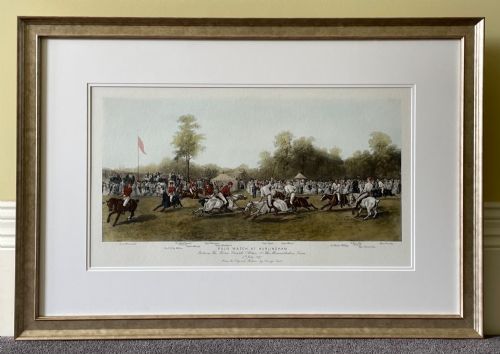
Several pieces capture historical pastimes, including a nineteenth-century polo match and an amusing run of early twentieth-century caricatures.
Evaluating craftsmanship and condition
Quality in these works is defined by the crispness of the impression, the vibrancy of the ink or pigment, and the preservation of the paper support. Earlier mezzotints and engravings display sharper detail when printed from early states of the copper plate before wear occurs.
The integrity of the frame and the quality of the mounting materials also contribute significantly to the overall standard of the piece. Works retaining their original period frames and stable paper substrates command greater appreciation among collectors.
John Simon·John Boydell·Edward Fisher·Francesco Bartolozzi·John Smith·James Watson·Valentine Green·Marc Chagall
The Framed Paper Wall Art Glossary
- Mezzotint
- A printmaking process of the intaglio family where the plate is roughened with a rocker to achieve rich dark tones and subtle gradations of light. It gained immense popularity in the eighteenth century for reproducing oil paintings.
- Engraving
- A technique where an artist cuts lines directly into a metal plate using a sharp tool called a burin to hold ink. The resulting impression on paper yields fine, precise linear detail.
- Lithography
- A planographic printing method based on the chemical repulsion of oil and water, allowing artists to draw directly on limestone or metal plates. It became widely used for posters and fine art prints in the nineteenth and twentieth centuries.
- Pith paper
- A delicate material made from the spongy interior of the Tetrapanax papyrifer plant, commonly used in nineteenth-century China for vivid gouache paintings. It requires careful glass protection due to its fragile nature.
- Stipple engraving
- A method of creating prints by building up patterns of dots on a copper plate using punches and etches. This technique effectively mimics the soft tones of chalk drawings.
Framed Paper Wall Art: Frequently Asked Questions
How should I hang framed paper wall art?
Position these works away from direct sunlight to prevent the fading of delicate watercolours, inks, and paper supports over time. Maintaining a stable indoor environment protects the paper from humidity fluctuations.
Ensure pieces are secured to wall studs or use appropriate heavy-duty fixings suitable for the weight of the wood frame and glass.
What is a mezzotint portrait?
A mezzotint portrait is a print created by roughening a copper plate to produce deep dark areas and scraping back to create highlights. This method allows for subtle tonal gradations rather than simple lines.
During the seventeenth and eighteenth centuries, master engravers used this technique to reproduce famous oil paintings for collectors.
Are these works original antique pieces?
The selections encompass genuine period items, including eighteenth-century engravings, nineteenth-century watercolours, and early twentieth-century posters. Each piece originates from the era stated in its description.
Materials such as handmade paper, vintage ink, and original wood framing reflect the manufacturing methods of their respective periods.
How do I identify Chinese pith paintings?
Chinese pith paintings are executed on a fragile, velvety material historically misnamed rice paper, sourced from the pith of a specific plant. They typically feature vibrant gouache pigments depicting figural scenes and botanical subjects.
These delicate nineteenth-century export works almost invariably require glass framing to prevent the absorbent material from fracturing.