
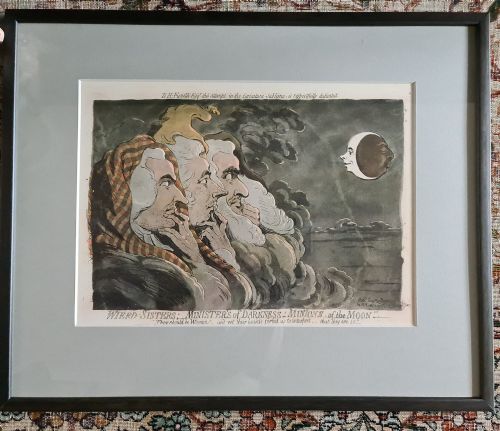


Georgian Satirical Print
A georgian satirical print captures the sharp wit and social critique of the era, offering buyers a lively window into historical humour.
Understanding Georgian Satirical Print
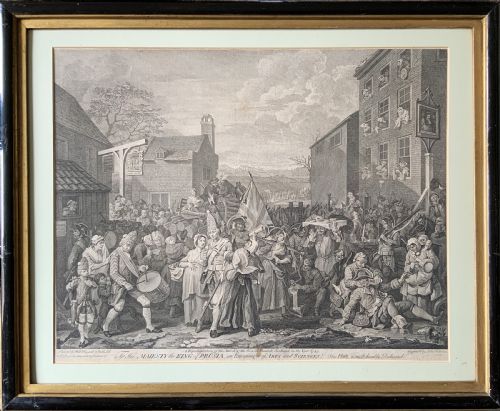
A georgian satirical print brings together social commentary and visual wit from the eighteenth century and the Georgian period. These works often lampoon contemporary fashions, manners and politics through clever caricature and visual storytelling.
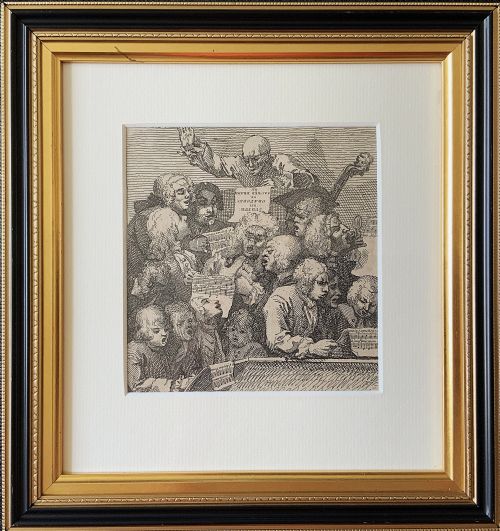
Buyers browsing this selection will encounter framed art and wall art presented as etchings and stipple engravings. Examples trace back to artists such as William Hogarth and William Bunbury, alongside period pieces and later twentieth-century productions like a nineteen-fifty framing.
The subjects range from musical gatherings and billiard rooms to sporting scenes like jumping in sacks and humorous dandy depictions. Each piece preserves the distinct graphic traditions of British print culture.
Materials and Technique
These works rely on paper supports inscribed with ink through etching and stipple engraving techniques. Hand colouring adds vibrant detail to select impressions, enhancing the narrative elements within the imagery.
Finishing treatments involve timber framing, utilising maple and gilt wood alongside protective glass enclosures. These period enclosures secure the delicate paper sheets while maintaining the visual presentation of the wall art.
Retail Price Guide 2026
Typical UK retail prices for georgian satirical print, calculated from the Sellingantiques database of over a million retail prices indexed since 2003. This retail price guide relies exclusively on Sellingantiques data; no external sources or auction records are used, so the figures do not describe the wider market.
Judging Quality
Distinctions in quality rest upon the crispness of the line work and the fidelity of the impression to the original plate. Finer examples retain sharp ink definition across intricate details, whereas softer impressions suggest wear on the printing surface.
The choice of framing material also signals quality, with original maple or gilt wood surrounds elevating the presentation. Condition of the paper surface and the preservation of hand colouring further separate standard examples from finer works.
William Hogarth·William Bunbury
The Georgian Satirical Print Glossary
- Etching
- A printmaking method where acid bites lines into a metal plate to hold ink. This technique allows for fine, fluid lines well suited to detailed caricature.
- Stipple engraving
- A method of creating tonal gradations using a cluster of dots. It produces soft, painterly effects often seen in eighteenth-century portrait and genre prints.
- Hand coloured
- The application of watercolour or wash by hand to a monochrome print. This adds colour to specific areas of the composition after the initial printing.
- Gilt wood
- Wood finished with a thin layer of gold leaf or gilt paint. It provides an ornate and decorative border for framing works of art.
Frequently Asked Questions
What is a georgian satirical print?
These works are historical engravings and etchings produced during the eighteenth century and the Georgian era. They use visual humour and caricature to comment on social life and manners of the period.
Collectors value them for their sharp wit and detailed depiction of historical British culture and fashion.
How were they originally displayed?
In their own time, these prints were often bound in portfolios, displayed in print shop windows or framed for domestic interiors. They served as conversation pieces in middle and upper-class homes.
Today, surviving examples typically appear behind glass within wooden frames to protect the fragile paper from environmental damage.
How do I care for framed paper art?
Protect these pieces by keeping them away from direct sunlight and maintaining stable indoor humidity levels. Light exposure can fade the ink and discolour the paper support over time.
Ensure the framing remains sealed to prevent dust and moisture from reaching the antique etching inside.
How can I tell the period?
Dating relies on examining the paper quality, ink characteristics, engraving style and framing materials. Evidence from signatures, publishers' imprints and stylistic conventions of Regency or Georgian design also helps establish the timeframe.
Comparing the plate technique with known examples by artists like William Hogarth provides further context for the production date.