
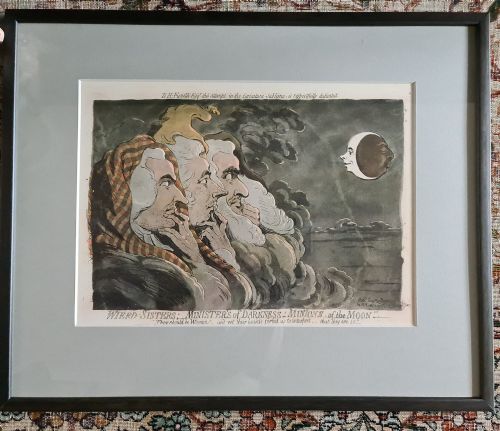


Framed Regency Engraving
A framed regency engraving brings crisp neoclassical line work and period character to any wall.
Framed Regency Engraving
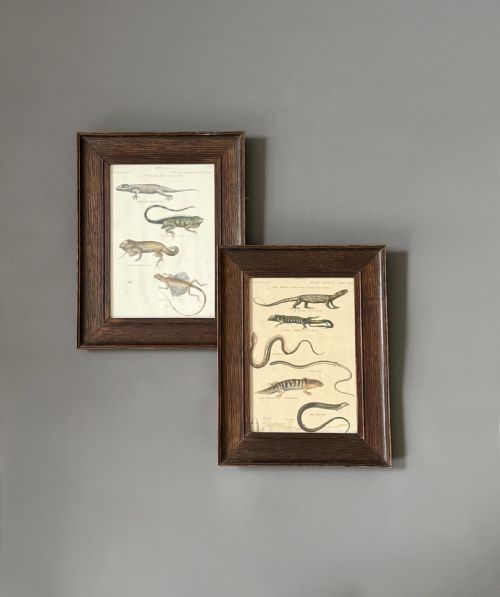
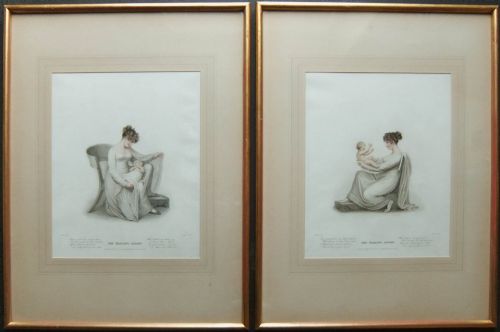
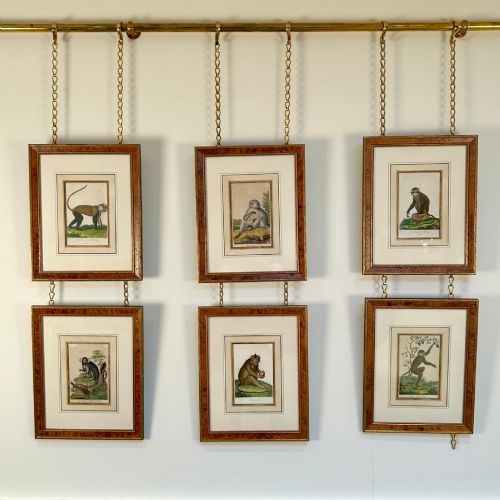
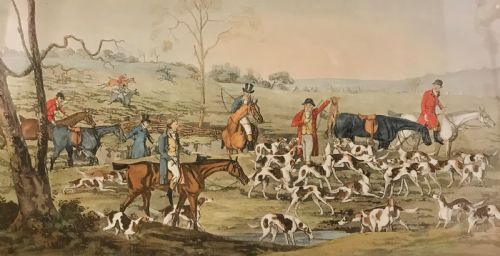
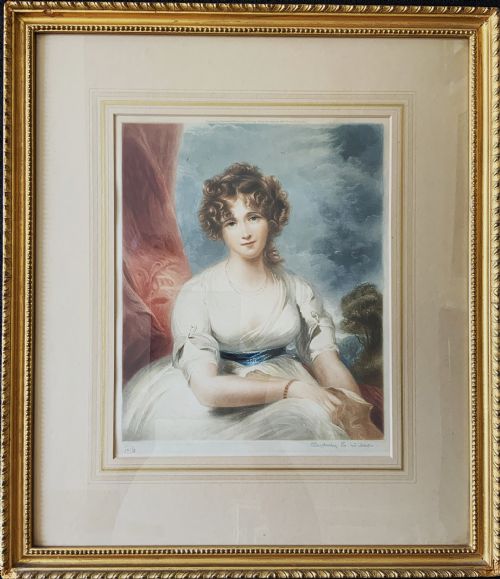
A framed regency engraving comprises works on paper produced during the early nineteenth century and Georgian eras, often set behind glass in period timber frames. These pieces encompass natural history studies, sporting subjects, fashion plates, and classical portraiture after artists like Adam Buck and George Romney.
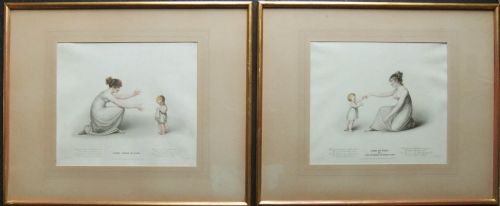
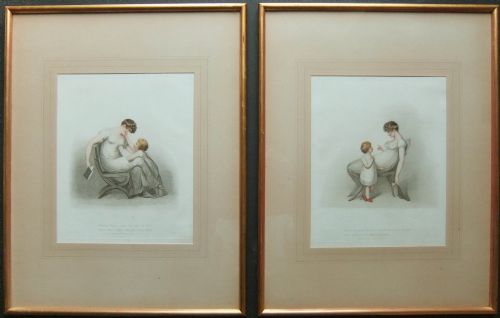
Buyers will most frequently encounter hand-coloured engravings and stipple prints originating from the Regency and Georgian periods. Many items appear as pairs or complete sets, depicting hunting scenes, botanical studies, or domestic narratives.
Materials and Technique
The primary medium relies on ink transferred from engraved metal plates onto paper sheets, frequently enhanced by hand tinting with watercolour or gouache. Printmakers utilised copper or steel plates to achieve fine, precise lines before mounting the paper within wood frames.
Frames are constructed from timber such as maple or giltwood, incorporating glass to protect the delicate paper surface from atmospheric damage. Gilt leaf and parcel gilt details frequently accent the traditional mouldings surrounding the artwork.
The material record shows paper, ink, glass, and various forms of wood, giltwood, and gold leaf.
Quality Variations
Distinctions in quality rest upon the sharpness of the plate impression and the skill applied in any hand-colouring. Early pulls from a copper plate retain finer details than later impressions where the metal has worn down.
The integrity of the framing materials also influences the piece, with original giltwood or Hogarth frames contributing greater period authenticity than later replacements. The preservation of the paper itself, free from heavy foxing or fading, determines the overall desirability of the work.
William Bird MD FLS·Adam Buck·Henry William Banbury·John Flaxman·John Curtis·William Swainson·H. Alken·David Wilkie
The Framed Regency Engraving Glossary
- Engraving
- A printmaking technique where an artist cuts lines directly into a metal plate with a sharp tool called a burin. The resulting incisions hold the ink for transfer onto paper under pressure.
- Stipple engraving
- A method of creating tonal gradations using dots rather than continuous lines. This technique was frequently utilised for soft portraits and narrative scenes during the Regency period.
- Mezzotint
- A printmaking process where the copper plate is roughened uniformly to produce rich dark tones and subtle tonal variations. It allowed printmakers to replicate the atmospheric qualities of oil paintings.
- Hogarth frame
- A narrow, stepped wooden frame profile finished with dark lacquer or gilding, popular during the eighteenth and nineteenth centuries. It provides a clean, understated border that complements works on paper without distraction.
- Foxing
- Brown or reddish spots caused by chemical reactions in ageing paper, often accelerated by humidity. Collectors observe these spots as a natural sign of age on antique sheets.
Framed Regency Engraving: Frequently Asked Questions
How should I hang these prints?
Hang these works away from direct sunlight to prevent the ink and hand-applied watercolours from fading over time. Maintain stable indoor humidity levels to protect both the antique paper and the wooden frames.
Group pairs and sets together at eye level to replicate period interior arrangements. Ensure sturdy wall fixings are used, as traditional timber and glass frames carry significant weight.
Are these pieces original to the period?
The selections span the eighteenth, nineteenth, and early twentieth centuries, featuring original printing plates and period framing techniques. Specific publication dates and artist signatures inscribed on the paper often confirm the era of production.
Materials such as old handmade paper and traditional timber mouldings help distinguish authentic period items from later reproductions. Examining the back of the frame can also reveal historic papers, seals, or dealer labels.
Why do some prints feature hand colouring?
Publishers employed colourists to apply watercolours by hand to monochrome impressions, enhancing the visual appeal of botanical, natural history, and fashion subjects. This extra step brought vibrancy to the printed lines before the sheets were framed for display.
Hand-tinted examples vary slightly from one another due to the individual work of the colourist. This variation makes each hand-coloured plate a distinct visual object.
How are sets and pairs identified?
Series such as the Cries of London, sporting scenes, or botanical studies were published as uniform collections to be displayed together. Matching plate dimensions, paper types, and framing styles indicate that items belong to an original set.
Keeping related engravings together preserves their historical context as a coherent visual publication. Collectors look for complete sets to appreciate the full narrative or scientific scope intended by the publisher.