
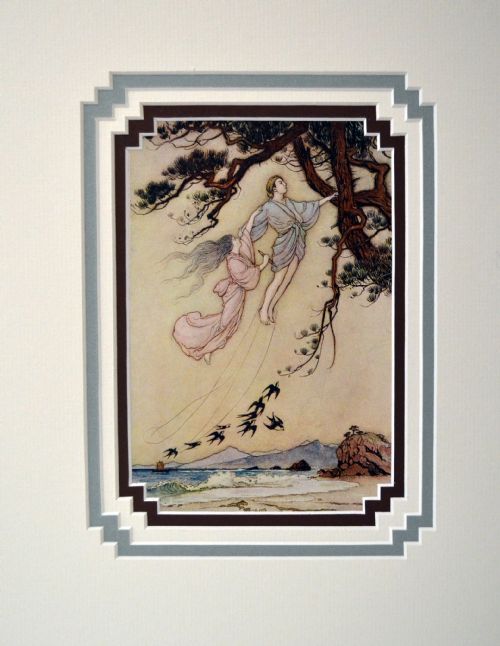
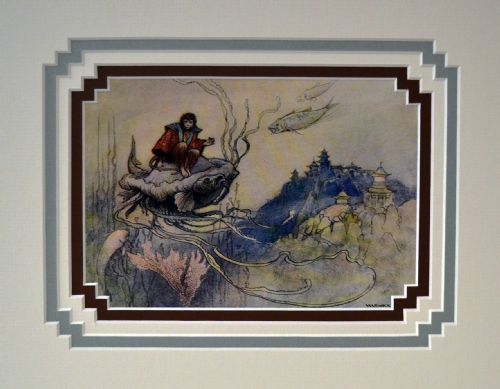
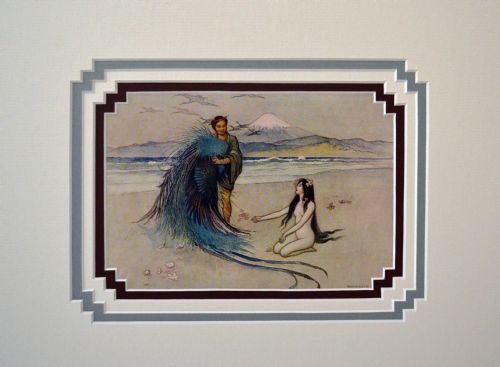
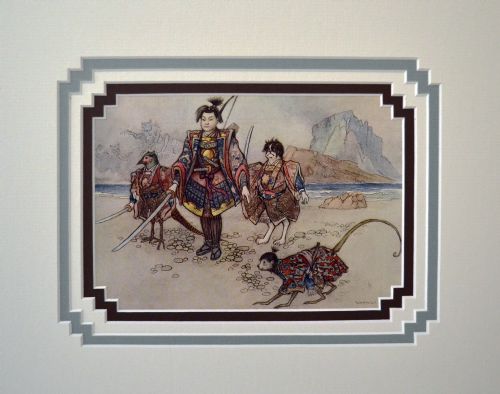
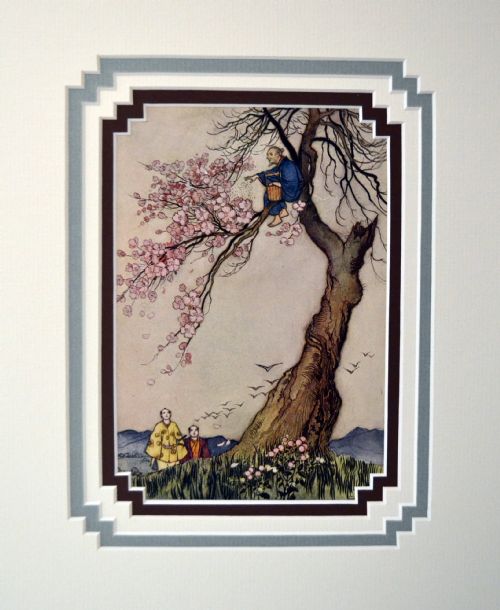


Cream Mounted Framed Print
Cream mounted framed print selections bring together centuries of historic imagery, traditional paper works and delicate watercolours set beneath protective glass.
Cream Mounted Framed Print
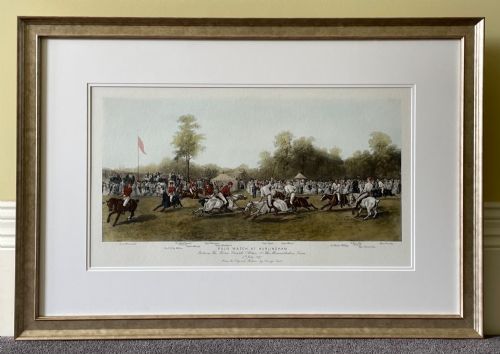
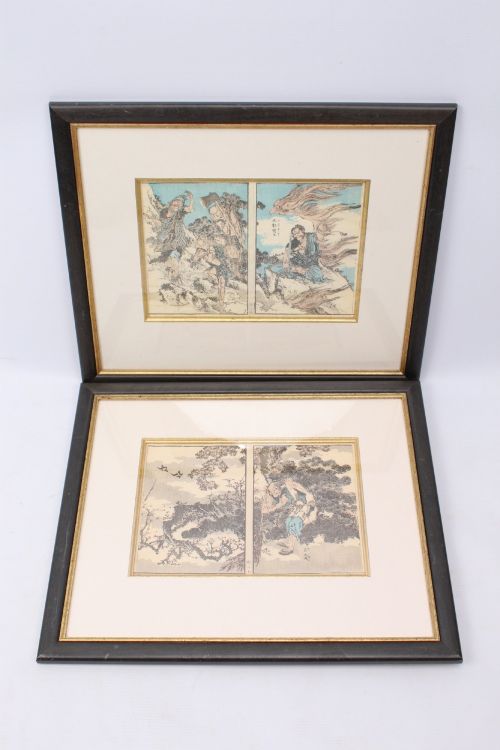
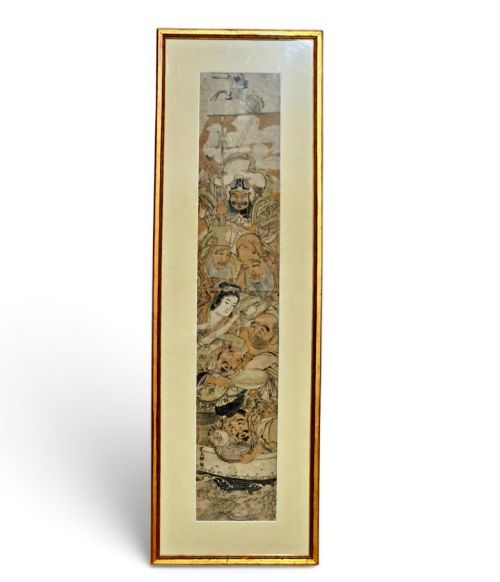
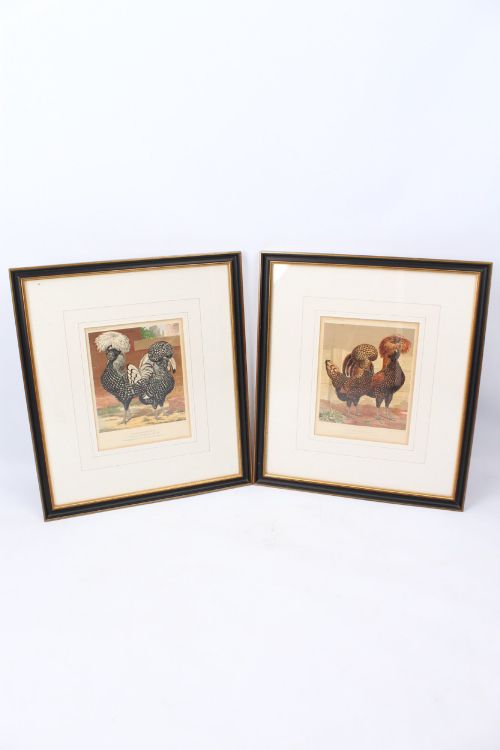
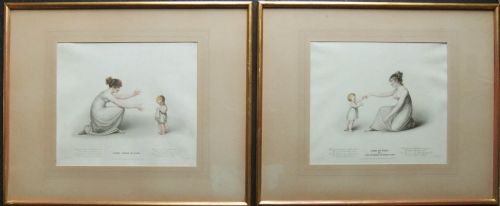
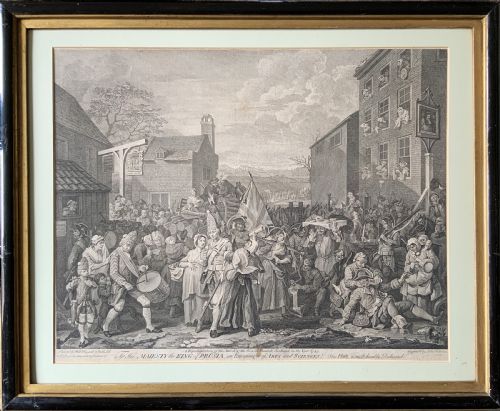
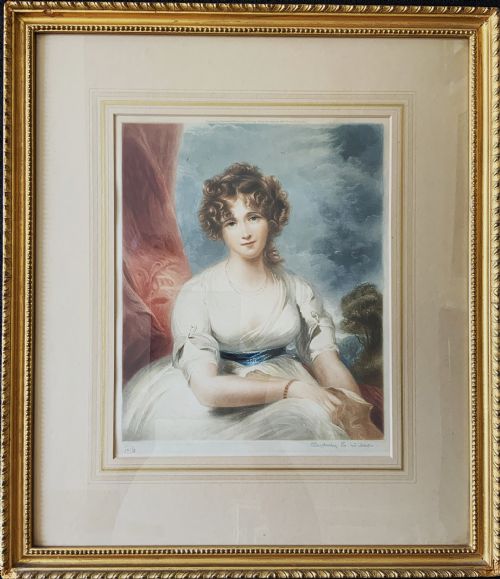
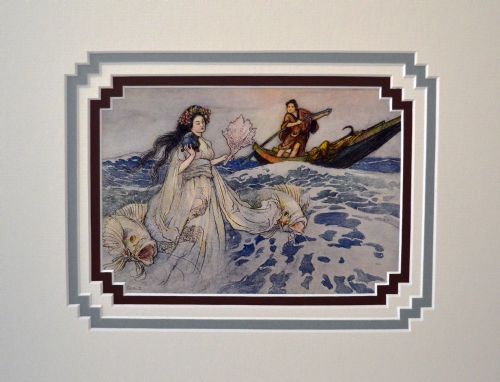
A cream mounted framed print search uncovers a diverse array of historic works on paper, ranging from nineteenth-century lithographs and hand-coloured engravings to early Japanese woodblock prints and illustrated book plates. Buyers encounter everything from sporting scenes and botanical subjects to Japanese fairy tales and delicate watercolours housed inside traditional wooden frames.
The selection on this page draws from multiple periods, spanning the eighteenth century through to the mid-twentieth century. Works such as Edo period ukiyo-e woodblocks sit alongside Georgian maps, Victorian animal prints and Edwardian illustrations, offering collectors a wide chronological span of framed wall art.
Materials and construction
These pieces rely on traditional paper, ink, and watercolour applied by hand or through early printing techniques like lithography and engraving. The resulting works are then secured beneath glass to protect the delicate surface pigments from dust and environmental damage.
Frames are constructed from wood, occasionally enhanced with gold leaf or gilt finishes, while internal card mounts provide a neutral border around the artwork. These framing materials work together to preserve fragile paper items from direct contact with the glass.
Listings feature works from the eighteenth, nineteenth, and twentieth centuries, utilising paper, wood, ink, and glass.
Distinguishing quality across the selection
Quality in these works is defined by the clarity of the original impression, the vibrancy of the remaining ink or watercolour, and the preservation of the paper itself. Finer examples retain crisp lines in engravings and woodblocks without fading or blurring.
The sophistication of the framing and mounting materials also contributes to the overall distinction of the piece. Hand-carved or gilt wood frames paired with well-proportioned cream mounts elevate the presentation of antique prints and watercolours.
Katsukawa Shunshō·William Hogarth·Luke Sullivan·Sydney Wilson·Warwick Goble·Louis Wain·Charles F. Tunnicliffe·David Roberts·William Russell Flint·Karl Feiertag·J. Duncan·C. Smith
The Cream Mounted Framed Print Glossary
- Lithograph
- A print made by drawing an image on limestone or a metal plate with a greasy substance so that ink adheres only to the drawn areas. This technique allowed for faithful reproductions of artistic works in the nineteenth century.
- Engraving
- A print created by cutting lines directly into a metal plate using a sharp tool called a burin. The ink is held within the incisions and transferred to paper under pressure.
- Woodblock print
- An image produced by carving a design into a block of wood, applying pigment to the raised surfaces, and pressing it onto paper. This method is particularly prominent in traditional Japanese art.
- Mezzotint
- A tonal method of engraving on copper where the surface is roughened uniformly to produce rich dark areas and subtle gradations of light. It was widely used for portraiture during earlier centuries.
- Artist proof
- An impression of a print taken before the final edition is produced, typically retained by the artist for their own use or approval.
Cream Mounted Framed Print: Frequently Asked Questions
How should I clean glass on old frames?
Wipe the glass gently with a soft cloth lightly dampened with water or mild glass cleaner. Avoid spraying liquid directly onto the frame to prevent moisture seeping beneath the mount.
Keep moisture away from the timber edge and the paper behind the glass to protect the historic materials from water damage.
Where is the best place to hang framed prints?
Position these works away from direct sunlight and damp environments to protect the paper and watercolour pigments from fading or deterioration. Stable indoor temperatures help preserve the wood frames and card mounts.
Choose wall spaces that offer indirect lighting to showcase the detail of engravings and woodblock prints safely.
How do I identify a woodblock print?
Examine the surface under magnification to look for subtle wood grain impressions and hand-applied pigments typical of traditional printing methods. The paper used in these pieces is often soft and absorbent.
Japanese examples from the Edo period display distinct publisher marks and signatures within the border of the composition.
What periods do these prints cover?
The selection spans multiple eras, including eighteenth-century engravings, nineteenth-century lithographs, and early twentieth-century illustrations. Each period utilises specific printing technologies and artistic styles.
Items range from Georgian maps and Victorian animal studies to Edwardian fairy tale editions and mid-century paintings.