


18th Century Art Print
When choosing an 18th century art print, collectors acquire historic portraiture and classical subjects preserved on paper beneath glass.
18th Century Art Print
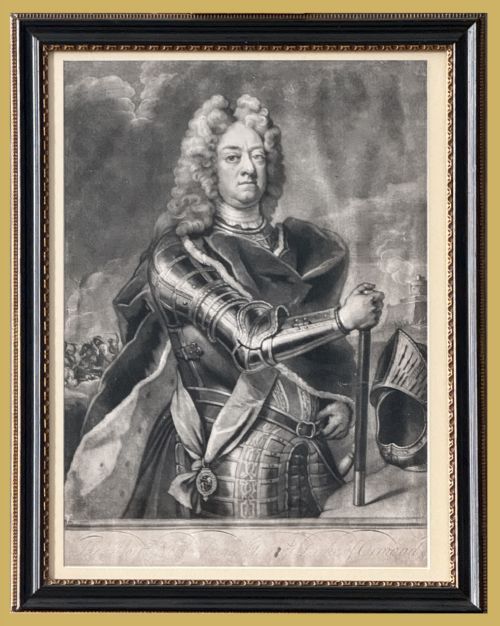
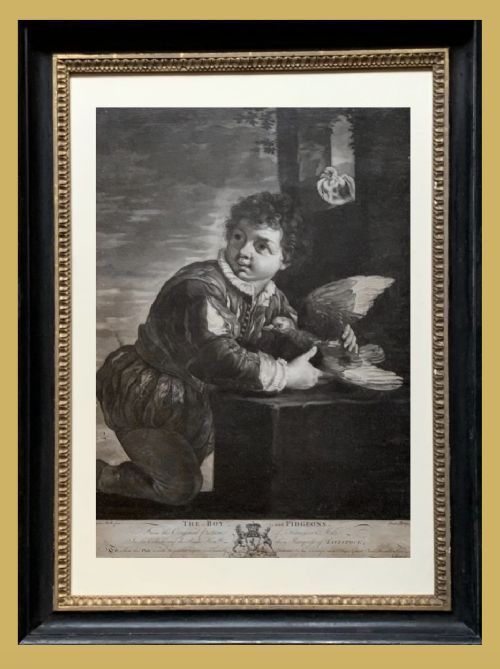
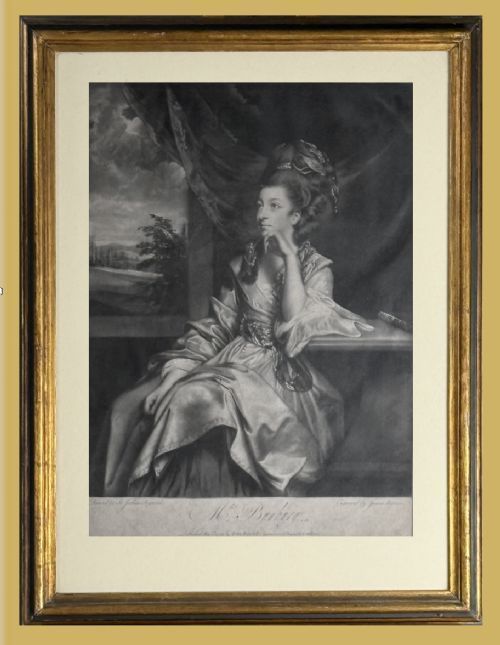
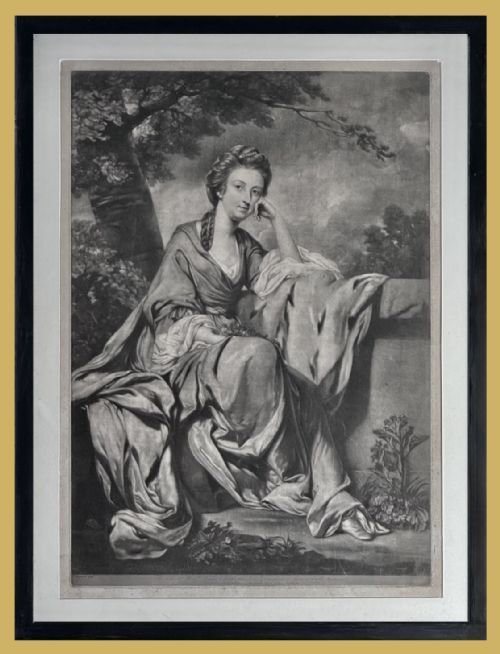
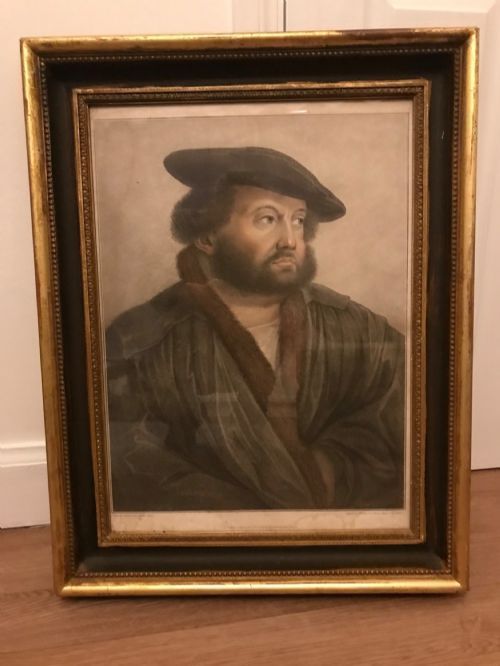
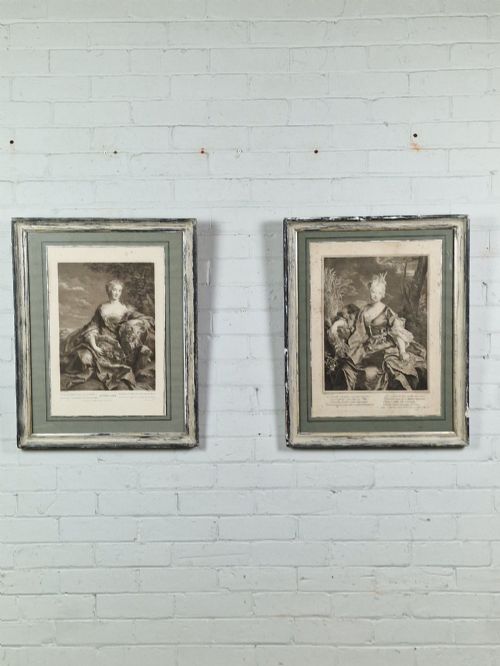
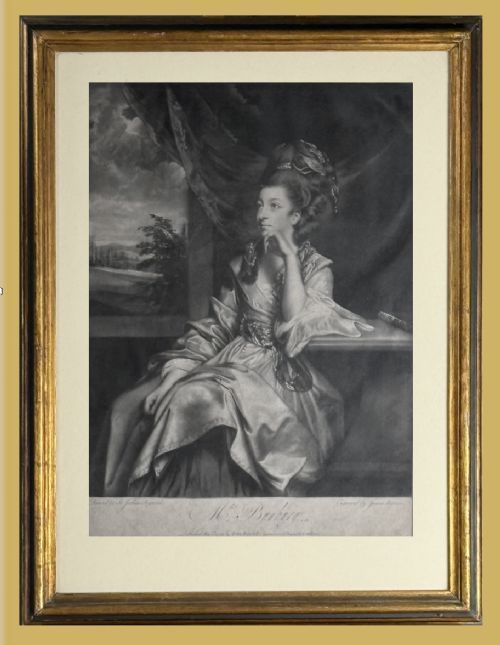
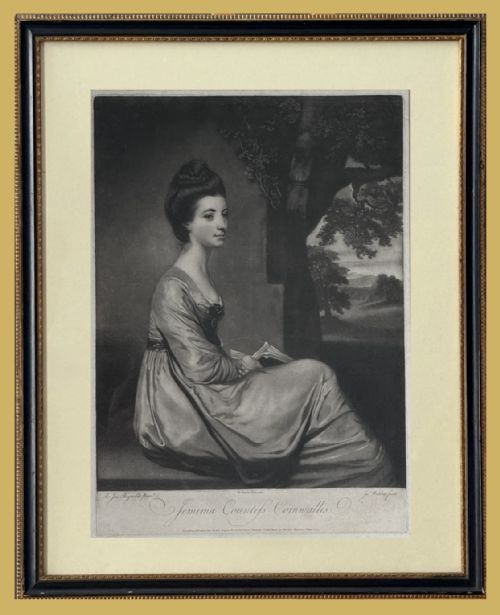
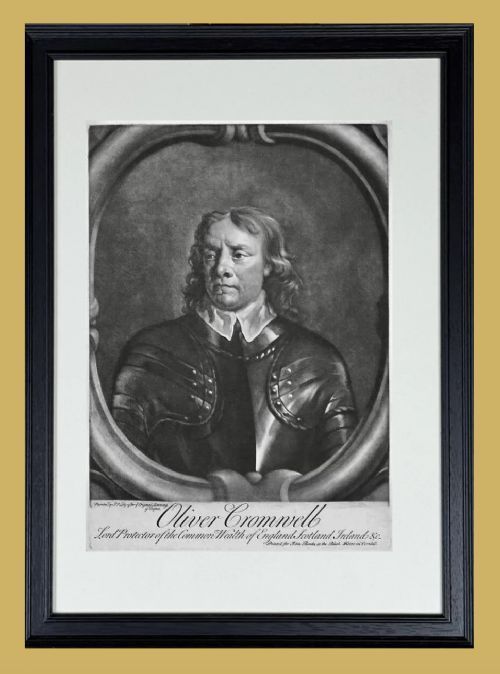
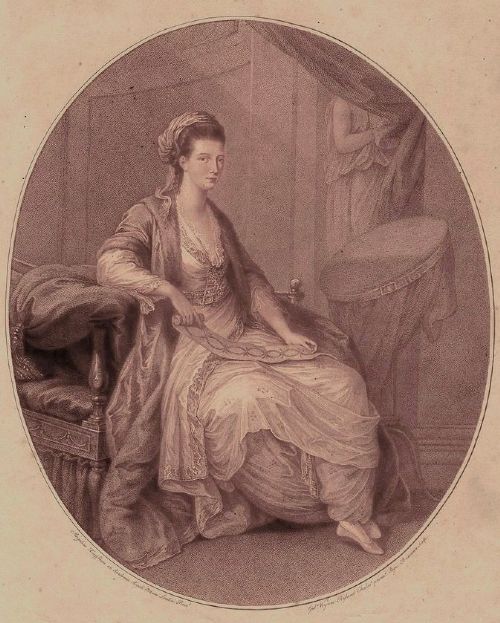
An 18th century art print on this page primarily consists of British and European portraiture, allegorical scenes, and architectural views recorded through intaglio printmaking methods. Buyers meet framed examples depicting nobility, literary figures, and mythological compositions executed during the Georgian era.
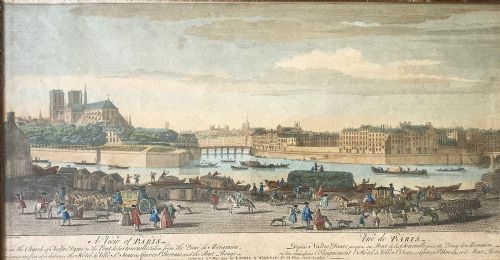
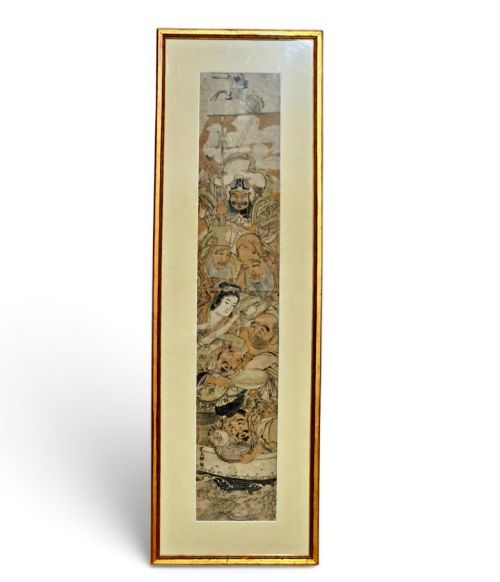
Subjects range from grand manner portraits after painters like Sir Joshua Reynolds to anatomical studies, topographical views of Paris, and Japanese Edo period works. These items provide direct access to the visual culture of the seventeen-hundreds.
Materials and printmaking technique
Printmakers utilised copper plates to work lines and tones, pressing inked surfaces onto laid paper using heavy roller presses. Master engravers built rich tonal gradations through dot work in stipple or by roughening plates with rocker tools for deep velvety mezzotints.
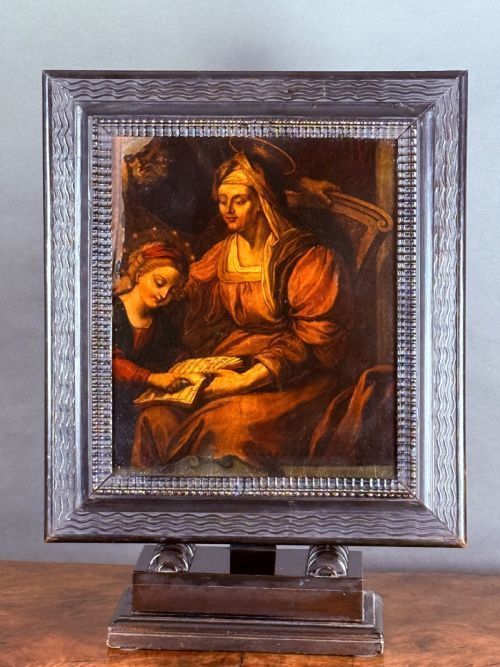
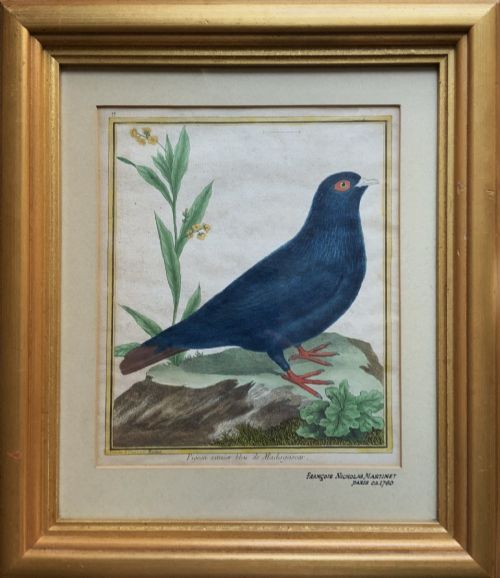
Colour was frequently applied by hand using watercolour pigments directly onto the printed paper surface or painted onto the reverse of glass plates placed over the mezzotint. Frames were constructed from timber, finished with gold leaf or giltwood mouldings.
Listings feature paper, glass, and giltwood materials spanning Georgian and Edo periods.
Distinctions in execution and condition
The distinction between tiers rests upon the clarity of the impression and the skill of the printmaker in translating the original painted composition. Early strikes from copper plates exhibit crisp detail and deep tonal contrast, whereas worn plates yield grey, muddy impressions.
The survival of original hand colouring, untrimmed paper margins, and contemporary framing significantly elevates an example. Pieces displaying professional conservation alongside undisturbed reverse glass mounting represent the upper echelon of surviving works.
John Simon·John Boydell·James Watson·Edward Fisher·Francesco Bartolozzi·John Smith·Charles Spooner·Valentine Green·Jiohan Elis Haid·W Dickinson·Andrew Bell·John Faber Snr·James McArdell·Thomas Frye·Richard Purcell·James Heath·Thomas Watson
The 18th Century Art Print Glossary
- Mezzotint
- A printmaking process where the copper plate is roughened uniformly to produce dark areas, then scraped and burnished to create highlights and subtle tonal gradations.
- Stipple engraving
- A method of producing images on metal plates using dots of various sizes and depths rather than continuous lines.
- Reverse glass painting
- An art form where the image is painted directly onto the back side of a glass panel, viewed from the front.
- Giltwood
- Wood carved and coated with gold leaf or gold paint, frequently used for period picture frames.
- Intaglio
- A family of printmaking techniques where the image is incised into a metal plate, holding ink within the grooves.
18th Century Art Print: Frequently Asked Questions
What is an 18th century art print?
These works are historic graphic art pieces produced on paper during the seventeen-hundreds, predominantly utilising printmaking techniques like mezzotint and engraving.
They record portraits of notable figures, architectural views, and allegorical compositions designed to be framed and displayed as interior decoration.
How were these prints framed originally?
Makers housed these works in timber frames, often utilising carved wood finished with gold leaf or giltwood mouldings.
Many examples incorporate protective glass laid directly over the paper or feature reverse glass painting techniques where the imagery adheres to the glazing itself.
How do I care for an antique print?
Protect the paper and any original hand colouring by hanging pieces away from direct sunlight and maintaining stable indoor humidity levels.
Avoid removing old backing boards or disturbing period frames, as original mountings contribute significantly to the historical integrity of the piece.
How do I identify a mezzotint?
Mezzotints display rich, velvety dark areas and smooth tonal transitions rather than fine lines or cross-hatching.
Under magnification, the printed surface reveals a soft, dense pattern created by a textured copper plate rather than sharp engraved grooves.