





Eighteenth Century Wall Art
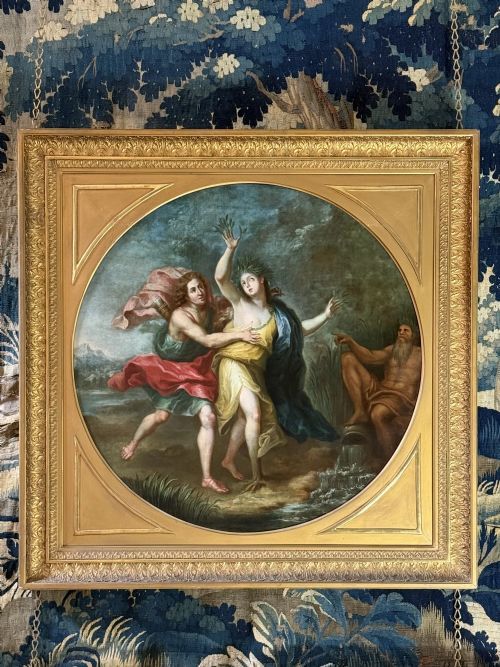
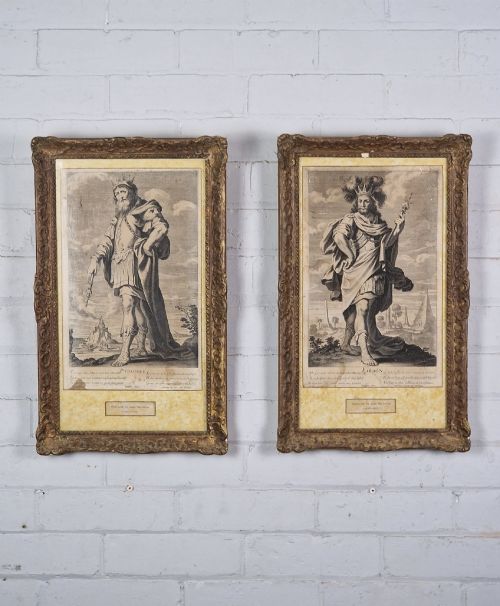
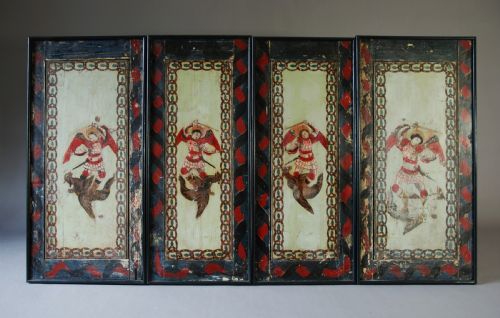
Eighteenth century wall art brings authentic Georgian and eighteenth century French character into a room through historic prints and portrait paintings.
What eighteenth century wall art is
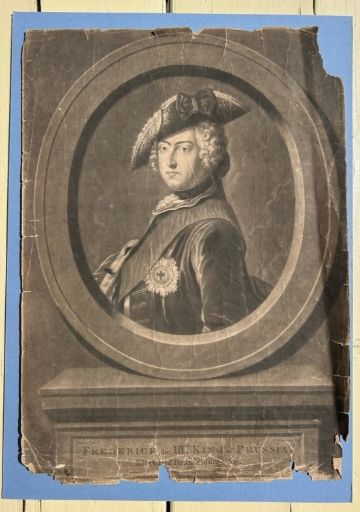
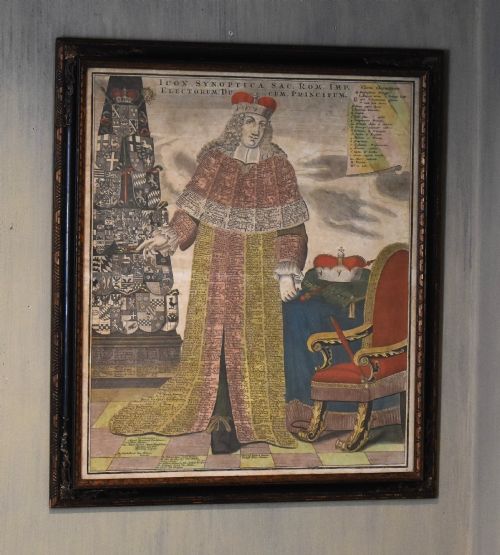
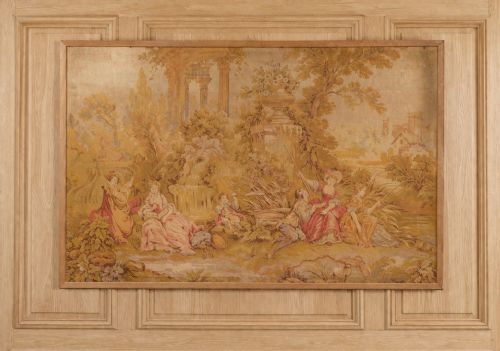
Eighteenth century wall art encompasses historic portrait paintings, prints, and fine art prints produced during the Georgian era and eighteenth century French period. These pieces record historical likenesses and devotional scenes from the period using traditional imagery.
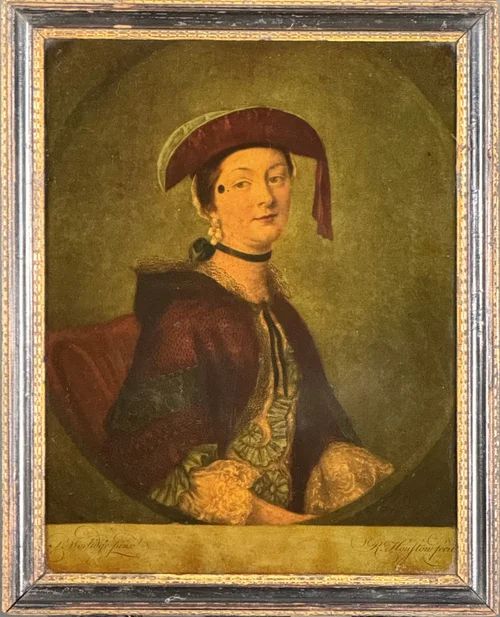
The objects listed here include reverse painted mezzotints, original engravings, and portrait paintings on canvas and paper. Buyers encounter works attributed to period printmakers and artists like Charles Spooner, Richard Houston, and John Raphael Smith.
Subjects range from individual portraits such as Mrs Brooks and Mrs Elizabeth Draper to religious compositions like Le Repos en Égypte. Each piece reflects the printmaking and painting methods current during the seventeen-fifties and surrounding decades.
How they were made
Makers utilised paper, ink, glass, wood, oil paint, oil, and canvas to construct these works. Engravings and mezzotints required metal plates worked by hand, transferring ink onto fine paper sheets.
Reverse painted mezzotints involved applying pigment directly beneath glass panels. Portrait paintings on canvas utilised traditional oil paint mediums stretched over wooden frames.
Periods represented span the eighteenth century, including specific dates from seventeen-fifty.
What varies in quality
Quality rests in the clarity of the printed line and the precision of the hand-applied pigment in reverse painted works. Earlier pulls from copper plates retain sharper details than later impressions.
The preservation of the original paper, canvas, and glass substrate dictates the visual impact of the piece. Subtle handling of oil paint and ink depth distinguishes superior artistic execution from standard production.
The Eighteenth Century Wall Art Glossary
- Mezzotint
- A printmaking process where the copper plate is roughened to produce tones of grey and black. This technique allows for rich, velvety shadows and subtle tonal gradations.
- Engraving
- A method of cutting a design into a metal plate with a sharp tool to hold ink. It yields crisp, defined lines on paper.
- Reverse painting
- An artwork painted on the underside of a sheet of glass so the image is viewed through the front. It creates a glossy surface finish.
- Fine art print
- A reproduction or original graphic work produced for artistic appreciation. These items use traditional press methods on paper.
Frequently Asked Questions
How do I hang eighteenth century wall art safely?
Protect antique paper and canvas by keeping pieces away from direct sunlight and damp walls. Use appropriate picture wire fixed securely to wooden frames.
Ensure glass-fronted pieces like reverse painted mezzotints are mounted so the glazing does not press directly against the artwork surface.
What materials make up these artworks?
These pieces incorporate paper, ink, glass, wood, oil paint, oil, and canvas depending on whether the item is a print or a painting.
Prints typically utilise ink on paper, sometimes protected behind glass, while paintings employ oil mediums on stretched canvas.
How do I identify a mezzotint?
A mezzotint displays rich tonal areas and smooth transitions from dark to light rather than purely line-based imagery. This effect comes from roughening the metal printing plate.
Examining the surface under magnification reveals the characteristic dot or pit pattern embedded in the paper.
Are these works original period pieces?
The listings comprise original eighteenth century engravings, reverse painted mezzotints, and period portrait paintings. Makers active in the seventeen-fifties produced these works using contemporary materials.
Signatures, publisher details, and paper characteristics help connect the objects to their historical origins.