



Reverse Painted Glass Print
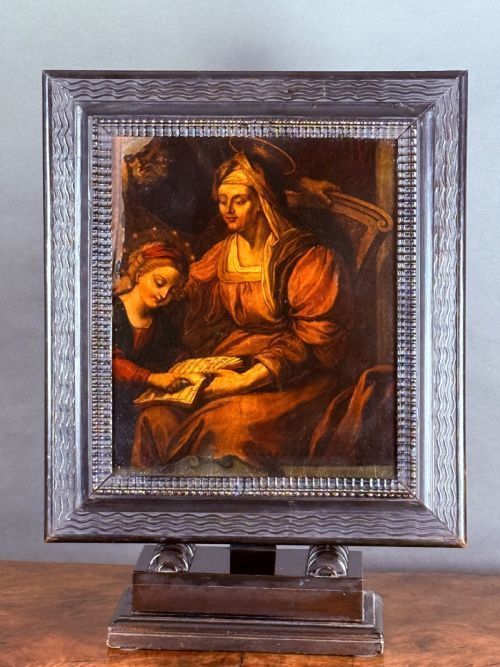
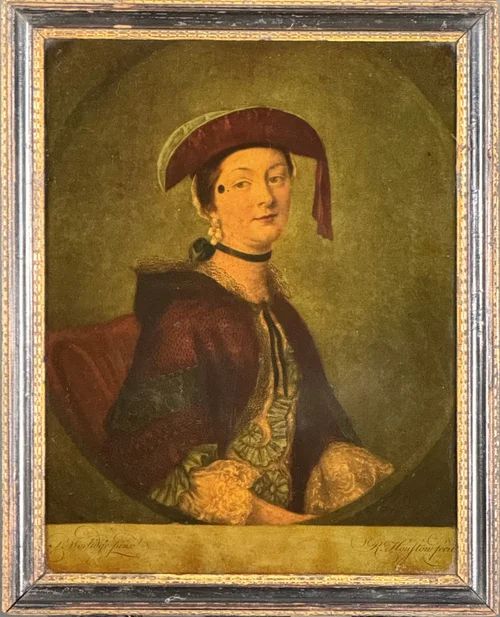
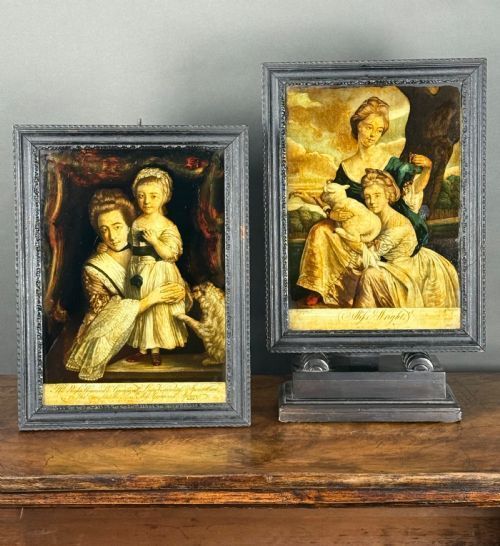
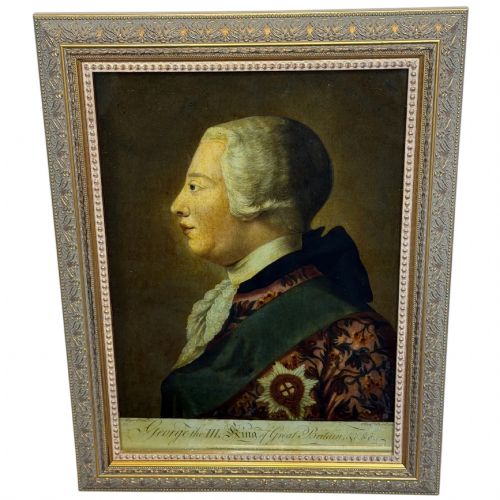
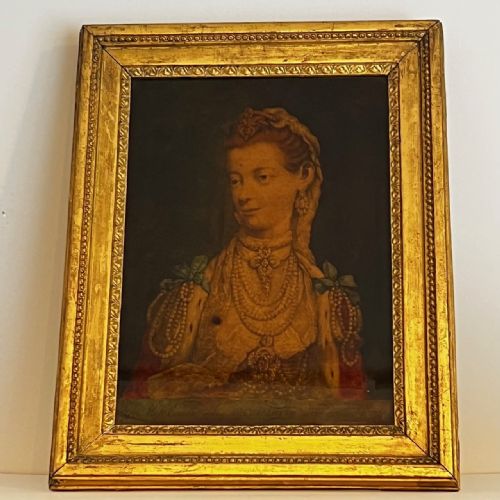
A reverse painted glass print displays fine portraiture and narrative art applied directly to the rear of the pane, offering collectors brilliant colour preservation.
Reverse Painted Glass Print
When you search for a reverse painted glass print, you encounter remarkable wall art created during the Georgian, Regency, and Victorian periods. These pieces depict royal portraits, classical subjects, military scenes, and seasonal allegories.
The selections span delicate 18th-century mezzotints to later 19th-century chrystoleoms and framed pictures. Many utilise maple frames and division panels, pairing prints with mirrors or historical subjects.
Collectors find works originating from British and continental makers, rendered in styles that shift from Baroque elegance to Victorian revival. Each object showcases meticulous reverse application designed to protect the pigment behind clear glass.
How They Were Made
Artisans applied ink, oil paint, and pigment directly to the reverse side of a glass sheet, building the composition backwards so the final image appeared correctly when viewed through the front. Mezzotint engravings were transferred onto the glass surface before being meticulously hand-tinted with rich colours.
Makers incorporated gold leaf and gilt highlights to catch the light, adding depth to royal portraits and military uniforms. Finished plates were secured in wood frames, often backed with paper to protect the delicate paint layers from moisture and dust.
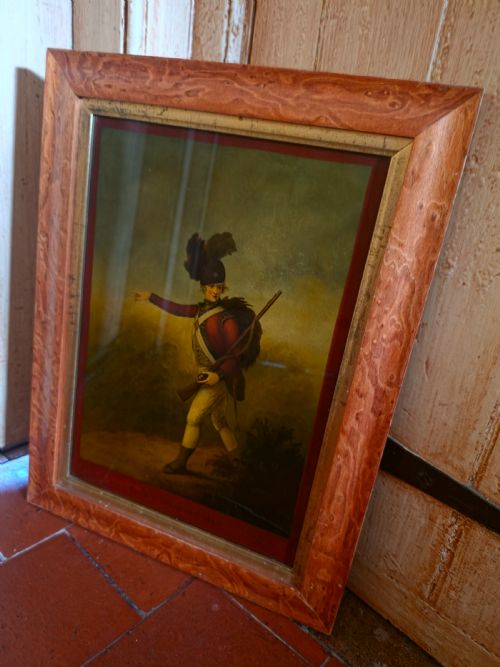
A light infantryman and an assortment of naval engagements keep permanent watch over the collection.
What Varies in Quality
The finesse of the initial mezzotint engraving and the precision of the hand-applied pigment determine the visual impact of the piece. Finer examples retain vibrant oil paint and gold leaf without significant flaking or pigment loss.
The sophistication of the subject matter, from detailed naval engagements to finely executed portraiture by known publishers, elevates the standing of the work. Original wood frames, particularly period maple surrounds, contribute to the historical integrity of the finished object.
Fletcher·Sebastiaan Vrancx·Charles Spooner·Richard Purcell·Frye·Abraham Cooper·W. Bishop·Richard Phillips·Schweninger
The Reverse Painted Glass Print Glossary
- Mezzotint
- A printmaking process where the copper plate is roughened to produce rich tones and subtle gradations of light and dark. In these works, the printed image is transferred to glass.
- Crystoleum
- A Victorian technique where a paper photograph or print is made transparent with oil and then hand-painted on the reverse. These often appear in elaborate frames.
- Eglomise
- A method of applying gold or silver leaf to glass along with cold painting to create a decorative mirror or picture border. It yields a reflective, luminous finish.
- Pigment
- Finely ground colour materials mixed with oil or binding agents to form the paint applied behind the glass. The sealed environment protects these substances from fading.
- Regency
- The stylistic period spanning the early 19th century, known in these works through military commemorations and classicised portraiture.
Reverse Painted Glass Print: Frequently Asked Questions
How do I hang a reverse painted glass print safely?
Ensure the wall hooks securely support the weight of the wood frame and glass panel without putting pressure on the backing. Hang the piece away from direct sunlight to protect the pigments and gold leaf from fading.
Check the stability of the frame joints periodically, as older woods like maple can shift with humidity changes in the room.
What is the difference between a mezzotint on glass and a chrystoleum?
A mezzotint on glass involves an ink engraving transferred and painted behind the glass during the 18th and early 19th centuries. A chrystoleum is a later Victorian method utilising a translucent paper photograph painted on the reverse.
Both techniques achieve depth by working from the background details forward, but they originate from distinct eras and printing technologies.
Why do some pieces include mirrors?
Divided sections combined a reverse glass print above a mirror plate, serving both decorative and practical purposes in Georgian and Regency interiors. The reflective glass beneath the artwork helped brighten darker rooms by bouncing available light.
These combination pieces frequently featured maple frames and commemorated naval engagements or patriotic subjects.