
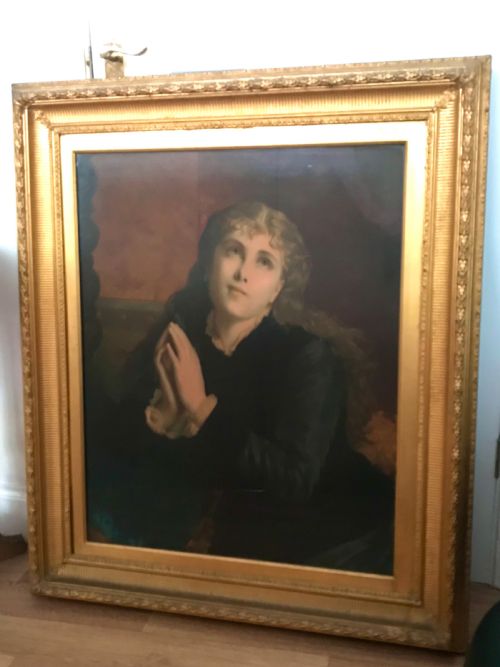

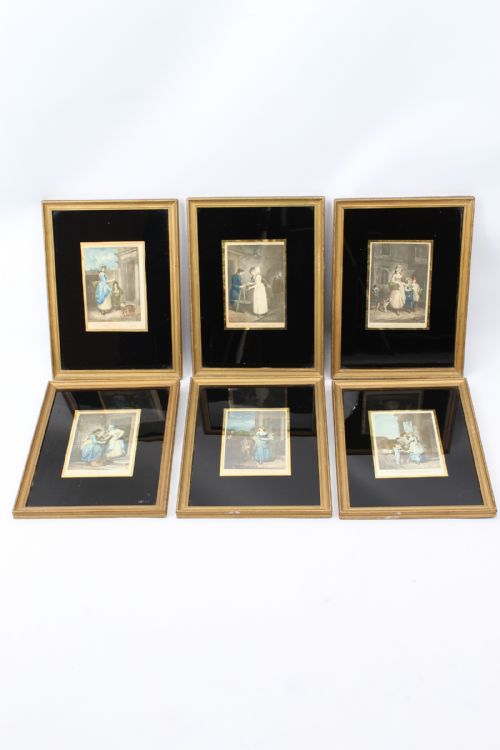


Gilt Framed Glass Print
These gilt framed glass print pieces combine delicate reverse paintings and crystoleums with ornate gilded mouldings, offering a traditional wall display for period interiors.
Gilt Framed Glass Print
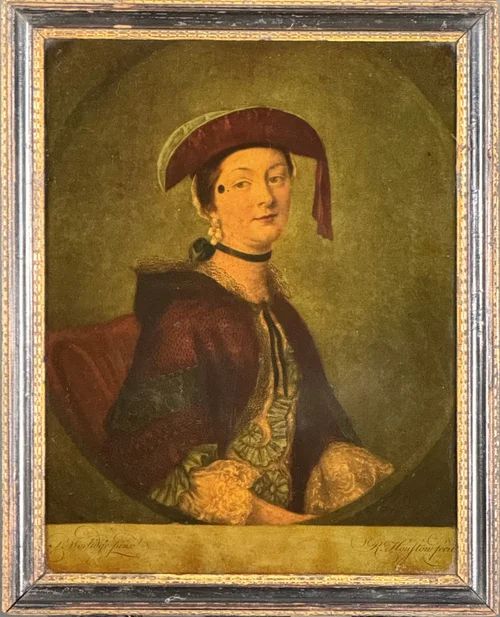
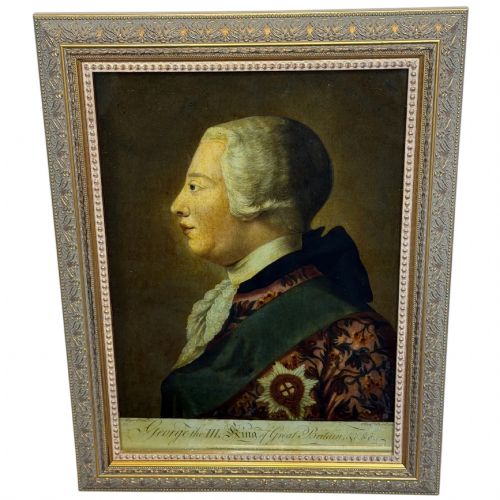
When you search for a gilt framed glass print, you encounter historic wall art featuring reverse painted mezzotints, crystoleoms, and engravings set behind protective glass plates. These works span the Georgian, Victorian, and Edwardian eras, capturing royal portraits, allegorical figures, and romantic scenes.
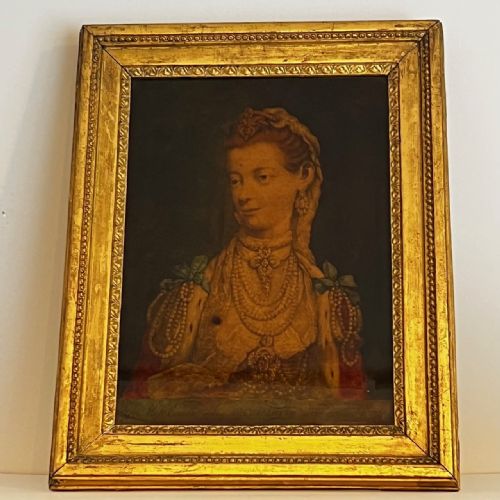
The version you are most likely to meet on this page is a nineteenth century chrystoleum or an eighteenth century reverse glass mezzotint. Such pieces often arrive in period giltwood or gesso frames, occasionally featuring convex or dome fronted glass.
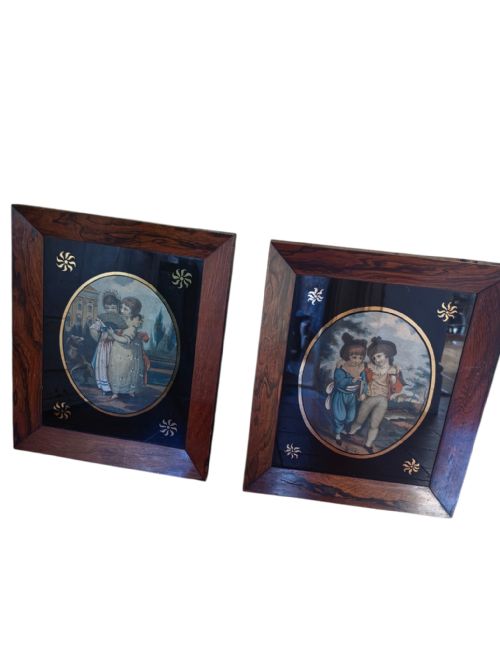
Makers and publishers from history include Charles Spooner and Richard Purcell, alongside continental creators like Schweninger. Subjects range from classical figures such as Mary Magdalene and Isis to seasonal depictions and crisp pairs of portraits.
How they were made
The construction of a gilt framed glass print relies on delicate application of paper prints transferred or painted directly onto glass panels. Artists utilised reverse painting techniques, carefully layering pigments behind the pane so the finished image appeared correctly oriented from the front.
Chrystoleums involved hand tinting albumen photographs placed behind convex glass, creating a layered three dimensional effect. These fragile assemblies were secured within wooden frames finished with gesso and gold leaf.
Frames incorporate materials like rosewood alongside traditional giltwood mouldings. The combination of convex or flat glass protected the delicate pigment layers from atmospheric moisture and dust.
Nineteenth century inventors realised that adding a curve to the glass made a flat portrait look remarkably lifelike.
What varies in quality
The fineness of the hand painting underneath the glass separates standard decorative items from superior historic examples. Expert application of pigments in eighteenth century reverse glass mezzotints or Victorian chrystoleums yields richer depth and clarity.
The integrity and originality of the surrounding gilt frame also influence the overall standard. Frames retaining their original gesso ornamentation and gold leaf finish demonstrate superior preservation compared to later replacements.
The precision of the underlying engraving and the condition of the glass plate dictate the visual impact of the piece. Clear, undisturbed reverse painting without extensive pigment flaking represents the upper tier of quality.
Charles Spooner·Richard Purcell·Schweninger
The Gilt Framed Glass Print Glossary
- Mezzotint
- A printmaking process where the copper plate is roughened to achieve rich tonal gradations. These prints were frequently transferred and painted behind glass in the eighteenth century.
- Crystoleum
- A Victorian technique for applying a transparent paper photograph to the inside of convex glass, then hand painting the reverse. This created a lifelike coloured portrait with considerable depth.
- Giltwood
- Wood that has been coated with a thin layer of gold leaf or metallic powder. It forms the decorative border for many antique frames.
- Gesso
- A plaster mixture applied to wooden frames as a base for moulding ornamental details before gilding. It allows for crisp relief work.
- Convex glass
- Curved glass panes that project outward from the frame. They provide space for layered chrystoleum paintings.
Gilt Framed Glass Print: Frequently Asked Questions
What is a reverse glass print?
A reverse glass print is an artwork painted or transferred onto the rear side of a glass panel. This technique ensures the image is viewed correctly through the smooth front surface.
Artisans during the Georgian and Victorian periods favoured this method for its glossy finish and protection against fading.
How do I clean a gilt frame?
Gilt frames require gentle dusting with a soft, dry brush to preserve the delicate gold leaf and gesso mouldings. Avoid liquid cleaners or moisture, which can strip the historic finish.
Inspect the frame joints carefully before handling to ensure the antique wood remains stable.
Are these pieces original antiques?
The listings include pieces originating from the eighteenth, nineteenth, and early twentieth centuries. Materials such as historic gesso, old glass, and period frames help indicate their age.
Stylistic cues like Georgian subjects and Victorian chrystoleum techniques further confirm their historical context.
Where should I hang these prints?
These framed works suit interior walls away from direct sunlight and damp environments. Strong light can damage the delicate pigments used in reverse glass painting.
Pairing matching sets, such as seasonal depictions or portraits, creates a balanced display in a period room.