
Victorian Glass Painting
Victorian glass painting encompasses hand-painted panels, reverse depictions, and enamel-decorated vessels created during the nineteenth century.
Victorian Glass Painting
Victorian glass painting covers a diverse group of nineteenth-century decorative items, ranging from framed reverse paintings of landscapes, birds, and portraits to decorated vessels and panels.
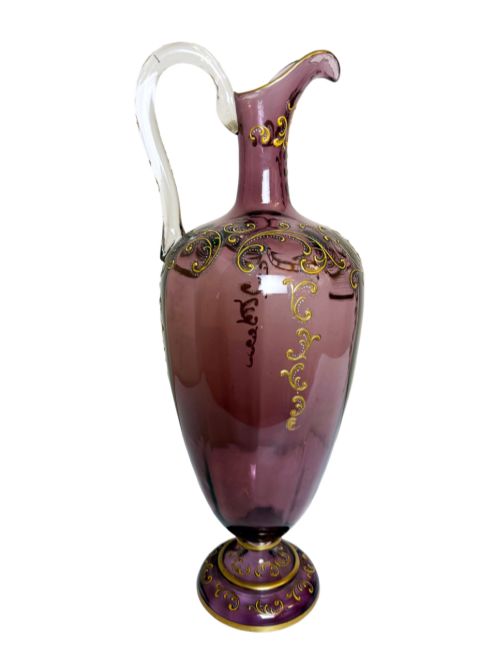
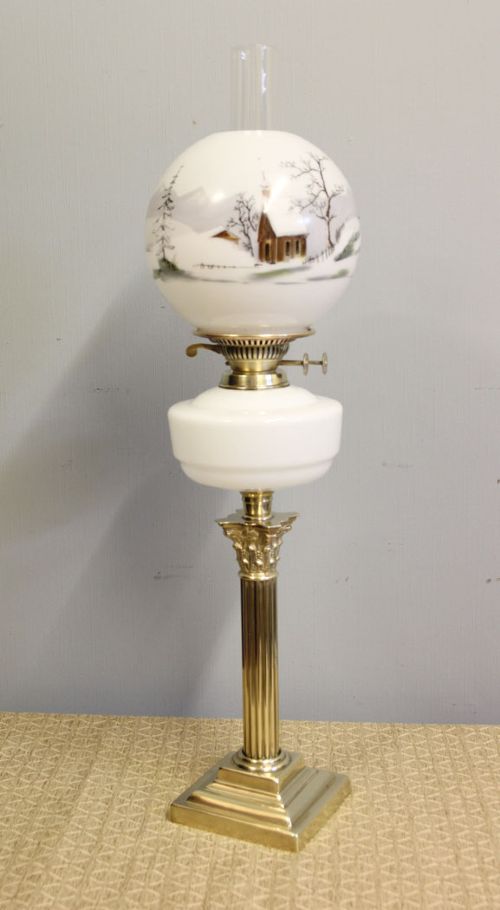
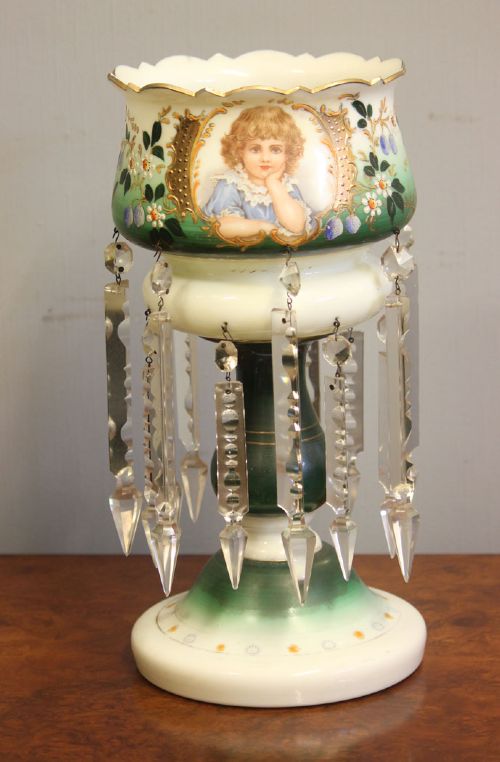
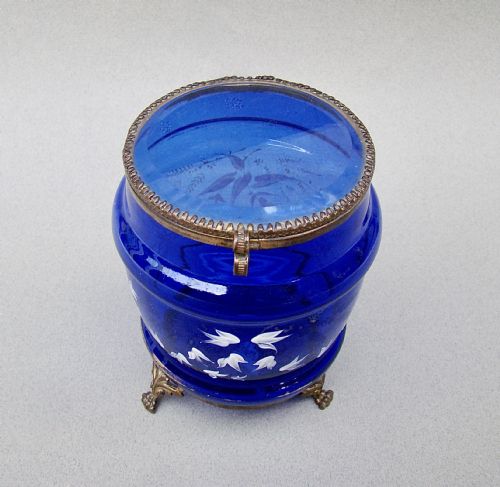
Buyers searching for victorian glass painting frequently encounter table lustres, vases, and trinket boxes made of ruby, green, blue, or cranberry glass embellished with hand-painted details.
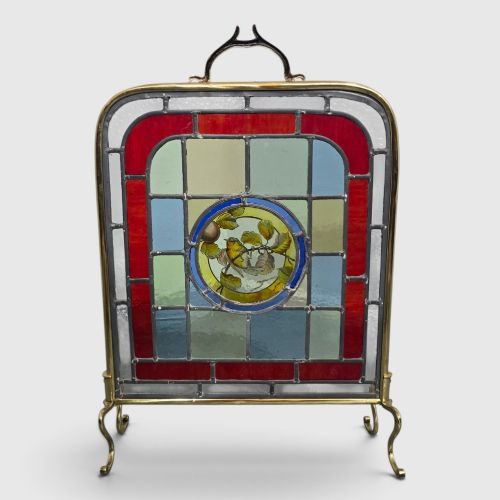
The category also embraces architectural pieces such as stained glass triptychs and specialist works including chrystoleons and miniature watercolours executed directly on glass panels.
Materials and methods
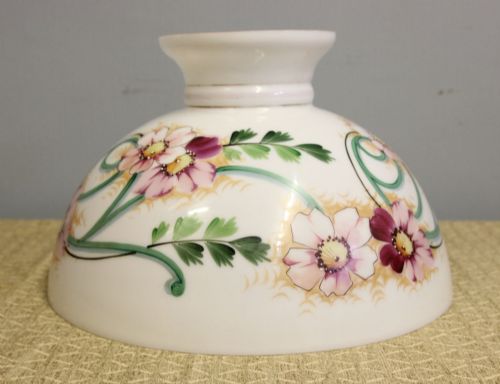
Makers utilised blown and moulded glass, often incorporating enamel, paint, and gold leaf to build layered surface decoration on vessels and flat panels alike.
Techniques varied from reverse painting, where artists applied pigments to the rear of the glass to be viewed from the front, to direct oil and watercolour painting on milk glass or convex surfaces.
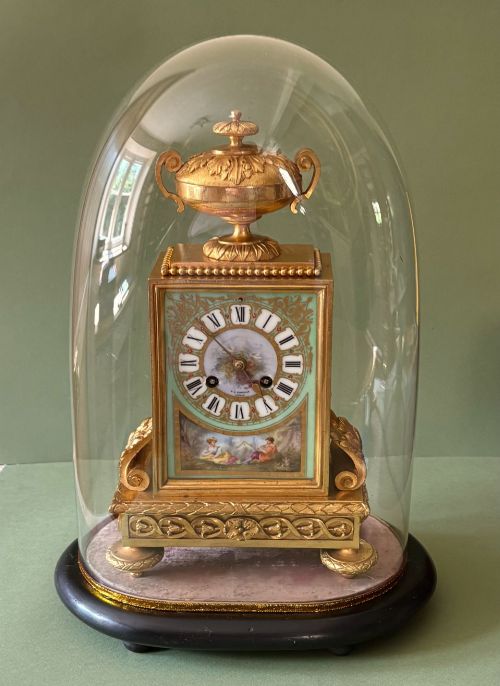
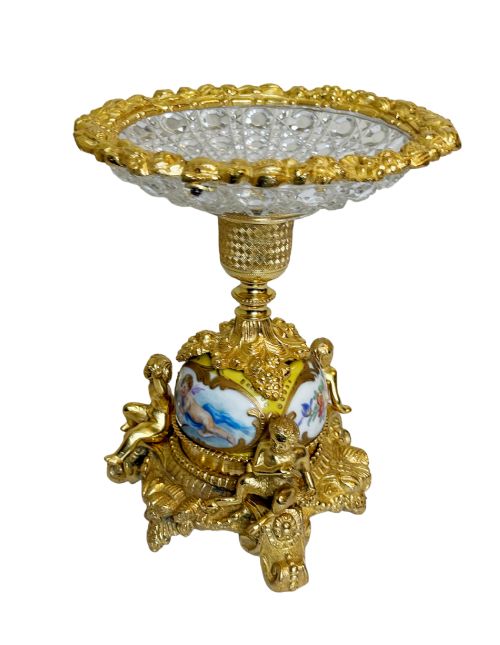
Many items integrated secondary materials such as brass mountings, carved wood, gesso frames, and ormolu to house and display the fragile glass elements.
Nineteenth-century artists occasionally painted solemn portraits of Newfoundland dogs and pug dogs directly onto glass panels.
Assessing quality and execution
The purity and colour intensity of the underlying glass, whether Bristol blue, cranberry, or milk glass, heavily influence the visual success of the painted layer.
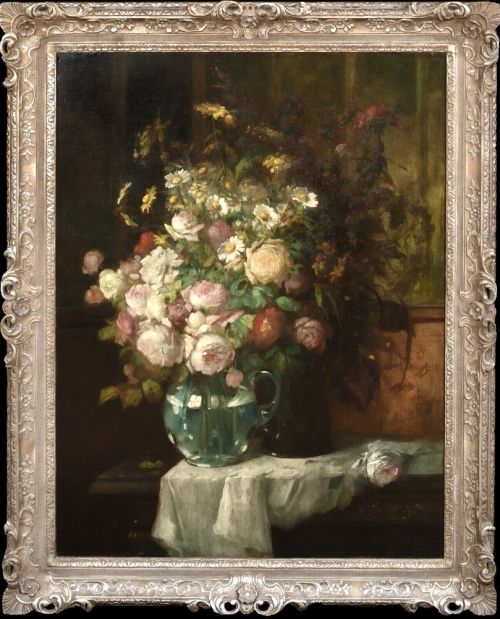
The grade of the surrounding framing, from ornate plaster and gilt decoration to burr maple and carved wood, reflects the original status and investment in the piece.
The Victorian Glass Painting Glossary
- Reverse painting on glass
- A technique where the artist paints the image backwards on the rear side of the glass panel so it appears correctly oriented when viewed from the front.
- Mantle lustre
- A decorative table ornament featuring a central vase hung with long glass prisms that catch the light.
- Chrystoleon
- A Victorian photograph or print transferred onto glass and meticulously hand-painted from behind in oil or watercolour.
- Milk glass
- An opaque or translucent, whitish or coloured glass capable of being painted or enamelled.
- Enamel
- A decorative glass-like substance fused to the surface of the glass vessel through heat.
Victorian Glass Painting: Frequently Asked Questions
What is a reverse painting on glass?
A reverse painting on glass is created by applying pigments directly to the back of a glass sheet. The artist must paint background details first and foreground subjects last so the composition displays correctly from the front.
This technique protects the delicate paint layer from atmospheric dust and damage while lending the finished picture a distinct luminous depth.
How were glass paintings framed originally?
Period frames for these works typically consisted of carved wood, gesso, plaster, or burr maple, frequently highlighted with gilt finishes. Many flat panels were displayed behind additional protective glass.
Heavy decorative frames matched the Victorian taste for opulent interiors, though simpler mouldings appeared on country pieces.
Where should I place a glass painting at home?
Glass paintings and decorated vessels require positioning away from direct, harsh sunlight to prevent the hand-painted pigments and gold leaf from fading over time.
Hanging them on interior walls away from moisture or placing lustres on stable mantelpieces ensures the delicate surfaces remain secure.
How do I identify nineteenth-century glass?
Nineteenth-century glass often exhibits the subtle irregularities of hand-blowing, such as tiny trapped air bubbles, pontil marks on the base, and weight variations.
The hand-painted motifs on these pieces display organic brushstrokes and natural pigment wear characteristic of nineteenth-century craftsmanship.