
Victorian Genre Scene Art
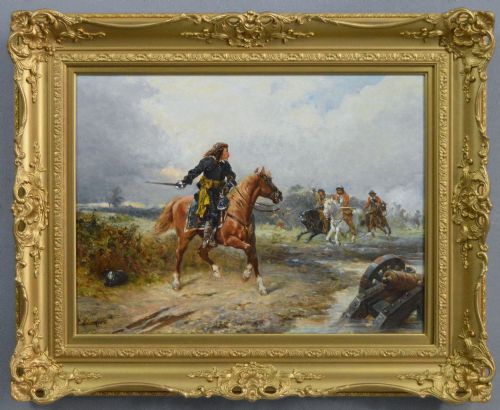
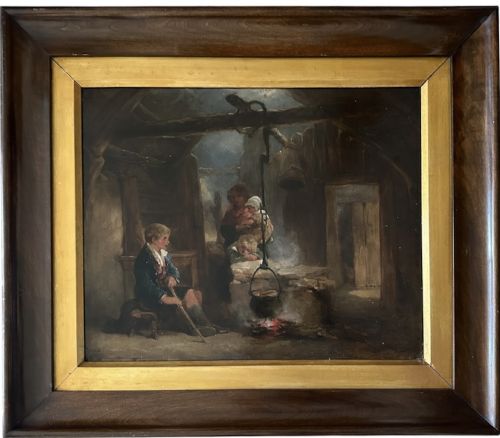
When you search for victorian genre scene art, you are looking at nineteenth-century paintings and works on paper that record domestic life, social history and outdoor labour.
Victorian Genre Scene Art
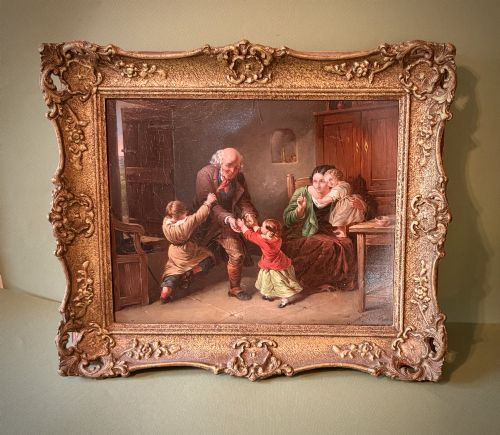
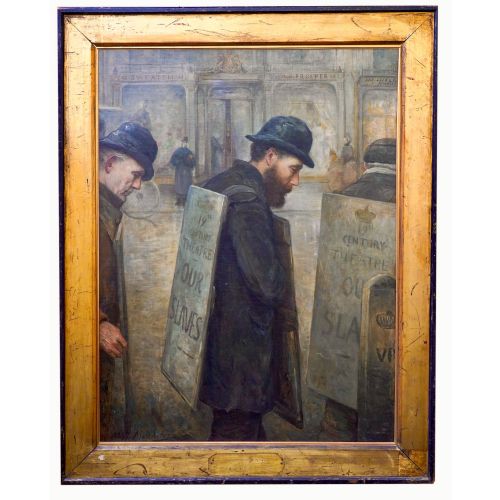
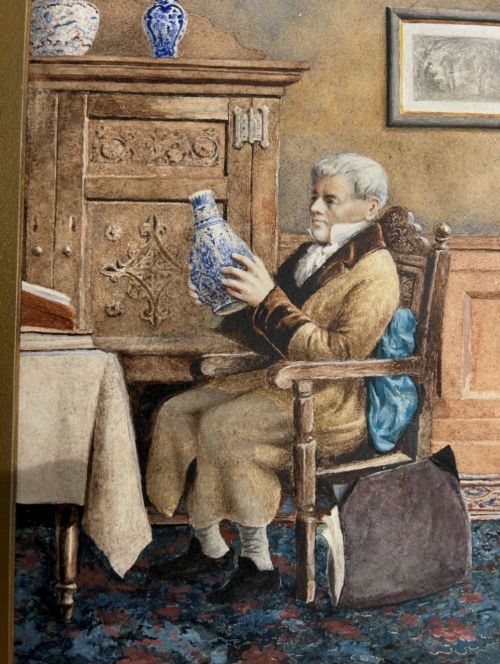
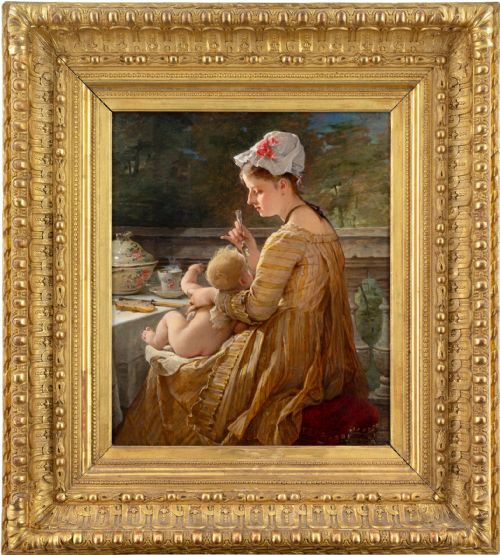
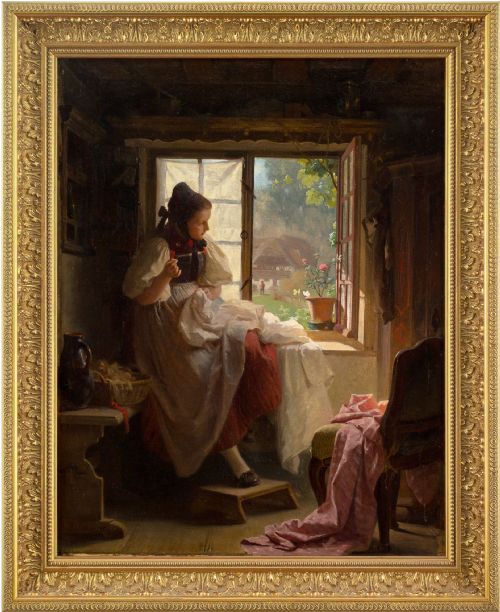
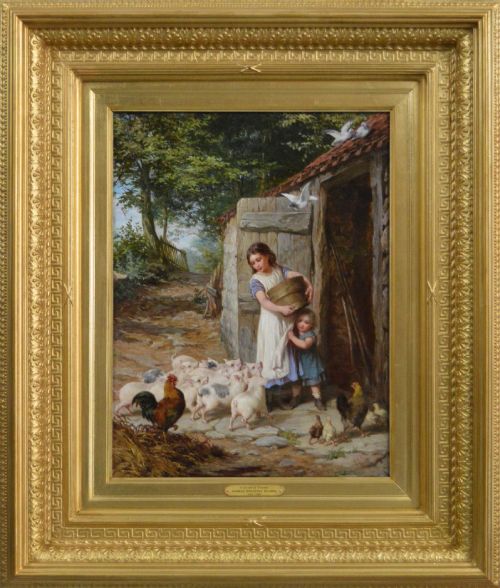
Victorian genre scene art captures the everyday activities, domestic interiors and social interactions of nineteenth-century people. These pieces focus on ordinary life rather than grand historical or mythological events.
The works on this page span from the middle decades of the nineteenth century into the early twentieth century. You will most frequently encounter oil paintings on canvas or panel alongside watercolours and framed prints.
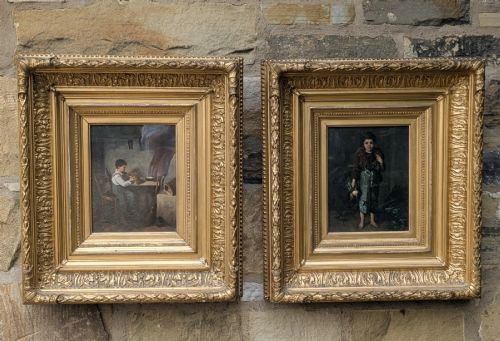
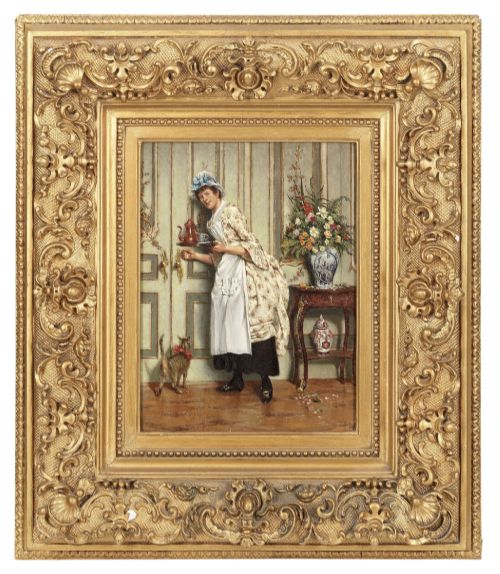
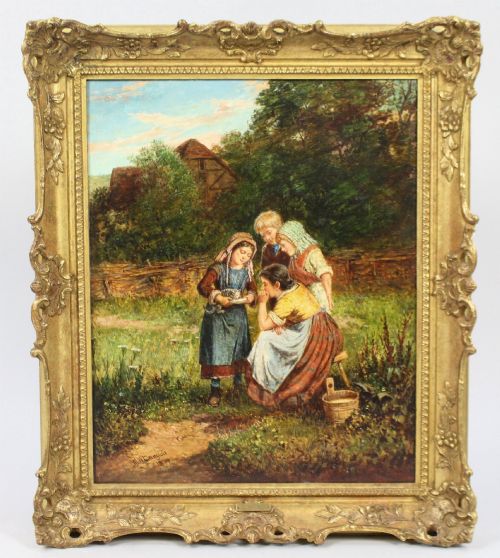
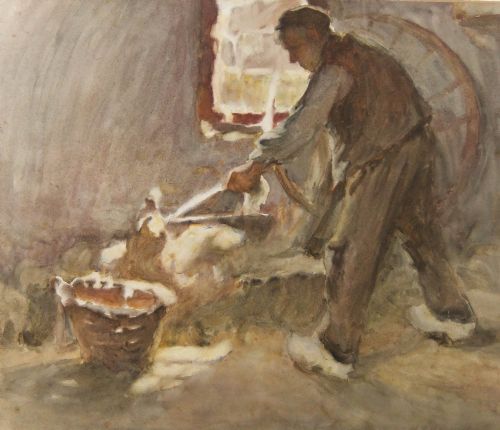
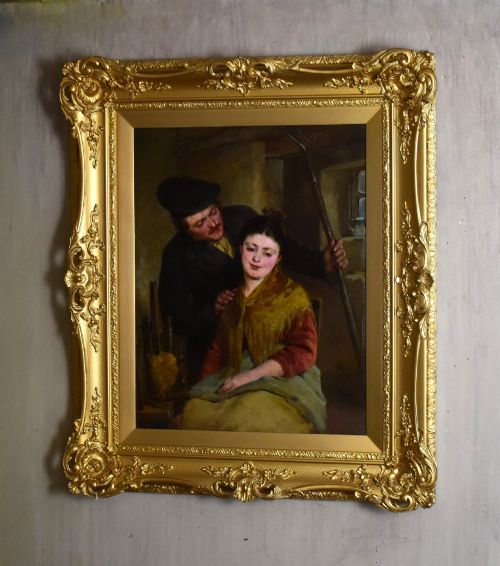
Subjects range from cottage interiors and children playing to market scenes, rural workers and quiet moments by the window. Painters depict subjects with varying degrees of social realism and sentimental charm.
Materials and construction
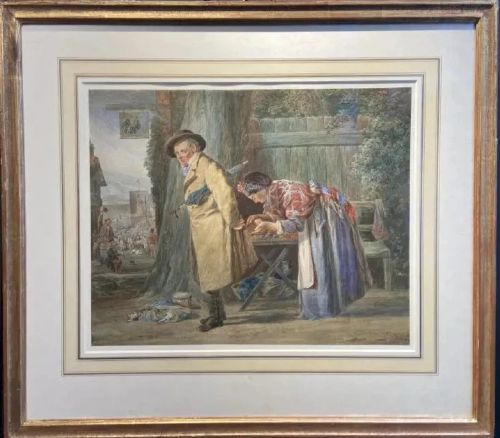
Painters used oil paint applied to prepared canvas, wooden panels or paper supports, building up compositions with fine brushwork. Watercolours on paper offer a lighter medium often finished with protective framing and glass.
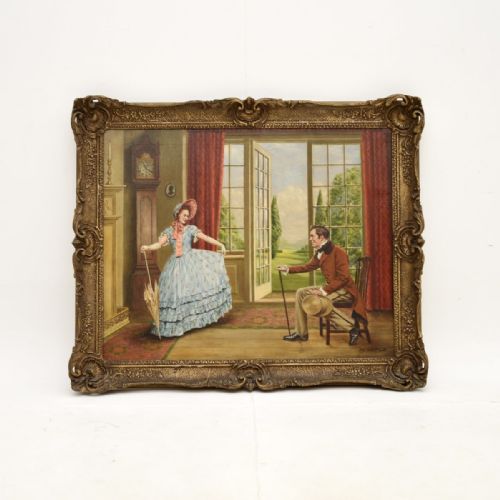
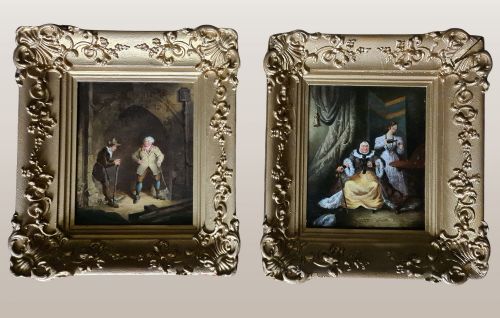
Many surviving works retain their original timber frames embellished with gesso and gold leaf or giltwood finishes. These frames provide structural support and define the visual boundary of the artwork.
Listings feature nineteenth-century works spanning from the 1840s through to the 1920s, created in oil and watercolour.
Variations in quality
Quality rests upon the artist's ability to render human expression, hand placement and fabric textures with conviction. Works by established named painters demonstrate superior draftsmanship and confident handling of light compared to anonymous student pieces.
The integration of the composition within its period frame affects the overall integrity of the piece. Surviving works that retain their original giltwood or gesso framing maintain a greater historical cohesion.
Felix Stone Moscheles·Stephen Samuel Lewin·Mark William Langlois·Howard Helmick·Adelaïde Salles-Wagner·Max Kaltenmoser·George Augustus Holmes·Joseph Farquharson·Charles Hunt·Harry Brooker
The Victorian Genre Scene Art Glossary
- Genre painting
- Depiction of aspects of everyday life by depicting ordinary people engaged in common activities. This style flourished in the nineteenth century across Britain and Europe.
- Oil on canvas
- A painting medium where pigments are suspended in a drying oil and applied to a stretched woven fabric support. This combination allows for rich colour blending and textured brushwork.
- Giltwood
- Wood that has been carved and coated with a thin layer of gold leaf or metallic powder. It provides a reflective, decorative border for nineteenth-century frames.
- Social realism
- An artistic movement that depicts the daily lives of the working class with an emphasis on social conditions. These works document labour and poverty without idealisation.
- Gesso
- A paint mixture consisting of a binder mixed with chalk, gypsum or pigment. It is applied to wood panels or canvas to create a smooth surface before painting.
Victorian Genre Scene Art: Frequently Asked Questions
What subjects appear most often in these paintings?
The subjects focus on daily human activities, including cottage interiors, children at play, market vendors and rural workers. Painters observed ordinary people engaged in domestic chores, social visits and quiet leisure.
These scenes reflect nineteenth-century values, social structures and working-class life. They offer a direct window into the domestic environments and clothing of the period.
How do I distinguish between an oil painting and a watercolour?
Oil paintings utilise thick pigments suspended in oil on canvas or wooden panels, creating a textured surface with deep colour saturation. Watercolours employ translucent pigments applied to paper supports, yielding a lighter and more luminous finish.
Watercolours require protection behind glass to prevent moisture damage to the paper. Oil paintings on canvas often sit within heavy gilt frames without glass coverings.
Where should I hang these artworks in my home?
These works suit traditional living spaces, libraries and studies where their narrative subjects can be viewed closely. Smaller watercolours and panels fit well in narrower wall spaces or paired symmetrically.
Keep them away from direct sunlight and damp environments to protect the paper, canvas and giltwood frames from fading or warping over time.
How can I tell a Victorian painting from a later copy?
Examination of the canvas weave, stretcher bars and backing materials often reveals nineteenth-century manufacturing methods. Pigment analysis and the style of the signature provide further clues to the period.
Original framing matching the era of the painting offers additional confirmation of age. Wear patterns on the gesso and gold leaf should align with nineteenth-century production.