

Gold Leaf Victorian Artwork
Gold leaf victorian artwork brings together nineteenth-century oil paintings, watercolours and gilt frames to capture the rich visual culture of the period.
Gold Leaf Victorian Artwork
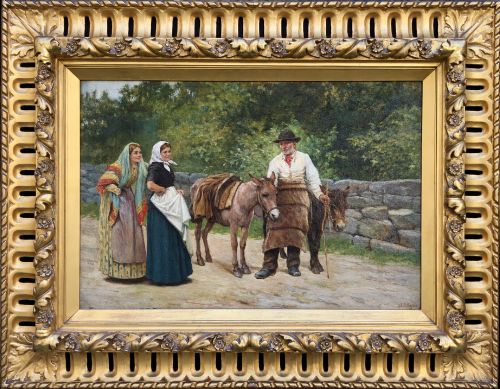
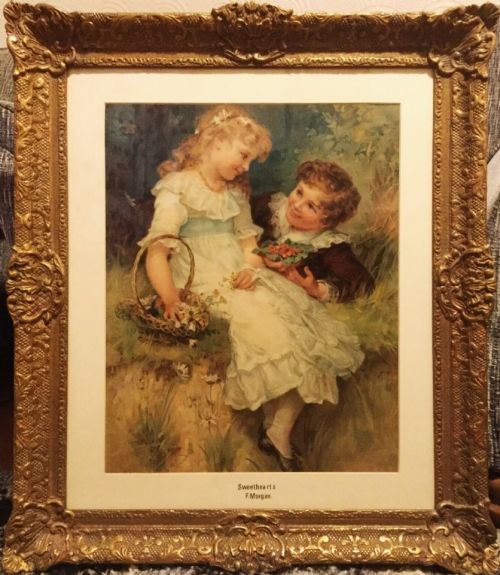
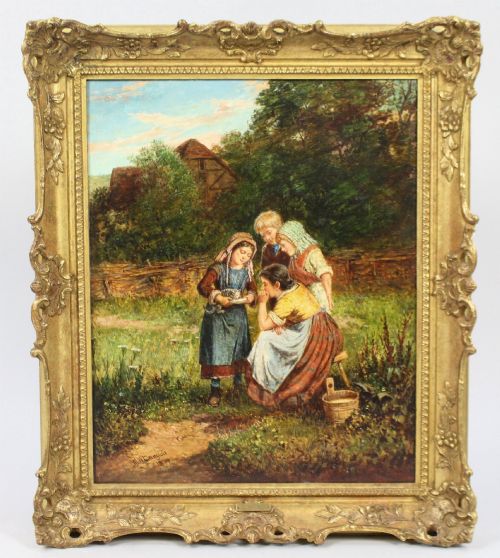
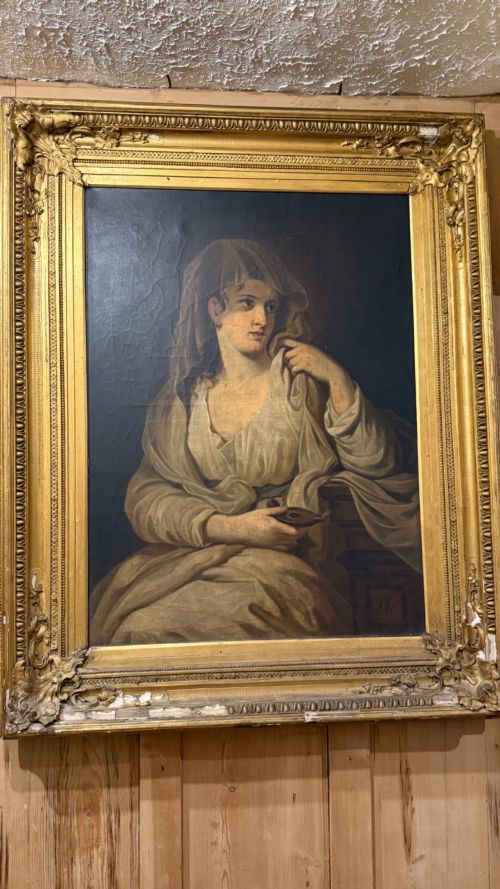
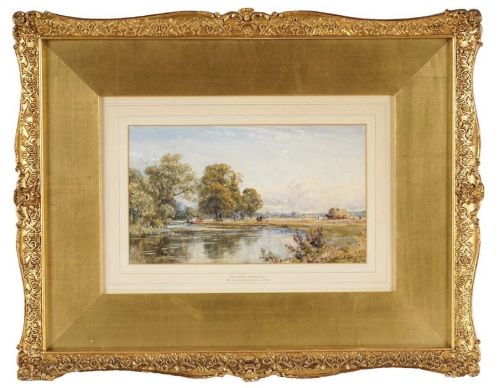
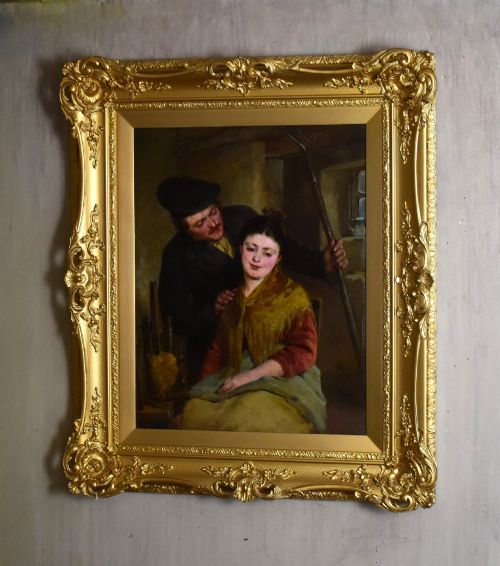
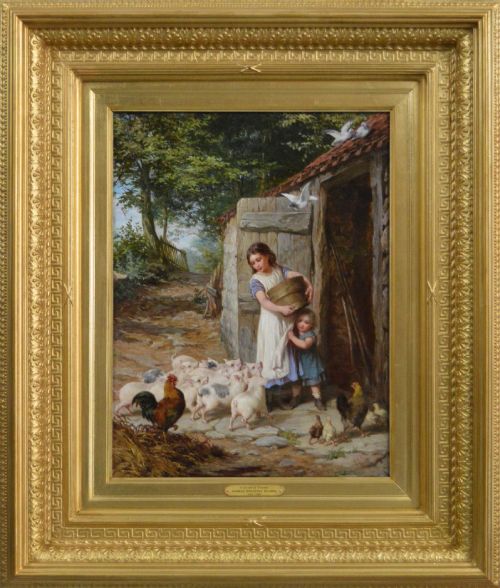
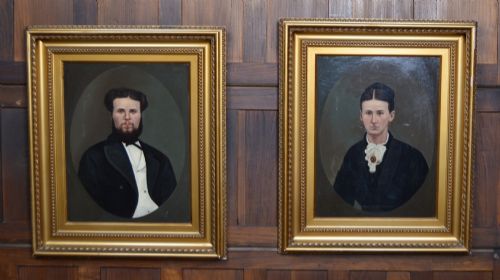
Gold leaf victorian artwork primarily encompasses nineteenth-century oil paintings on canvas, delicate watercolours, and antique gilt frames designed to display fine art. Buyers searching this phrase typically encounter framed portraits, genre scenes, and landscapes created during the Victorian era and surrounding decades.
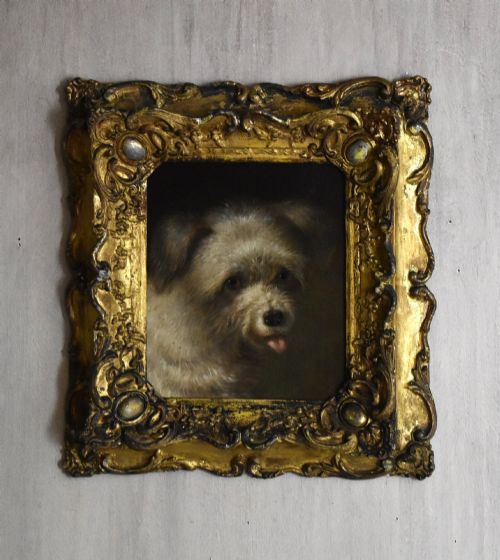
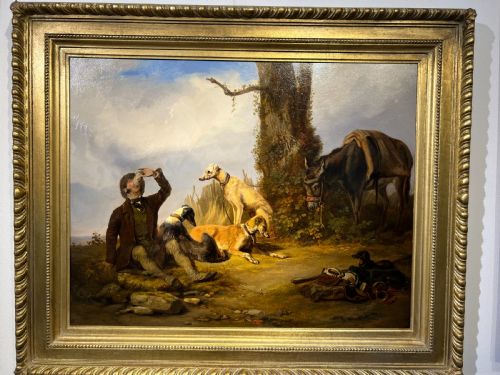
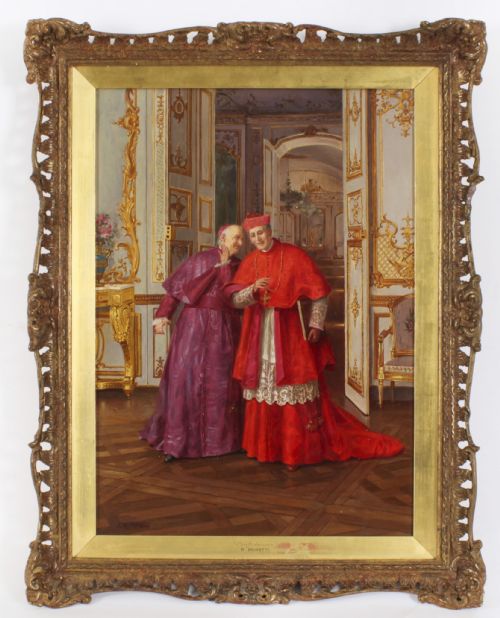
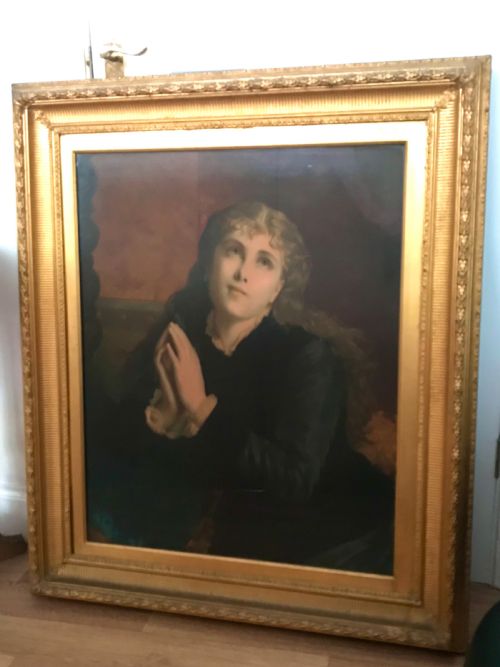
The selection ranges from detailed animal paintings and sporting art to classical engravings and religious portraits preserved under glass. Many pieces arrive housed in deep gilt gesso frames that highlight the ornate decorative standards of the period.
How they were made
Makers utilised traditional oil on canvas and watercolour techniques, applying pigments to prepared canvas, paper, or silk needlework panels. Skilled hands built up rich compositions reflecting academic realism, sporting art, and Victorian narrative traditions.
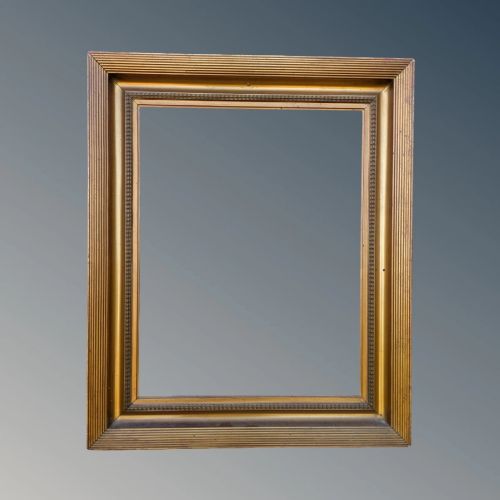
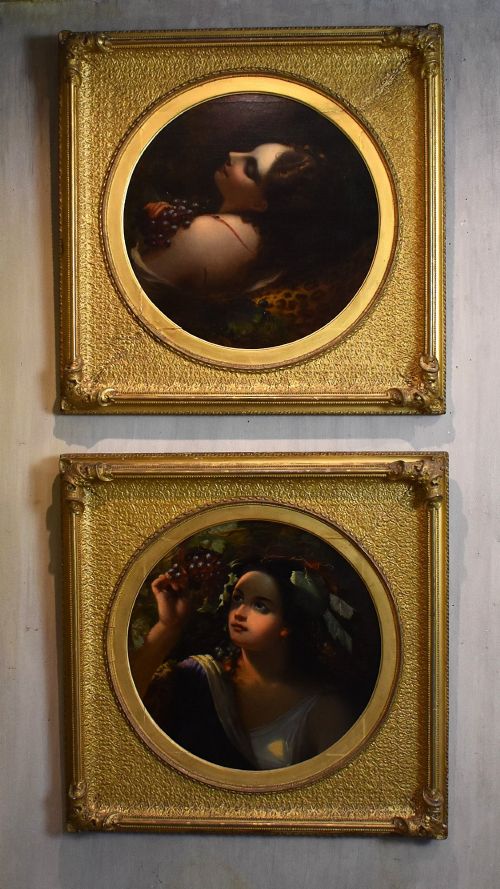
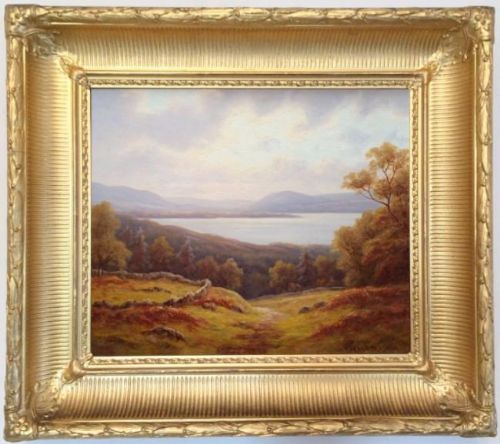
Surrounding these artworks, craftsmen shaped wooden frames using carved gesso finished with delicate applications of gold leaf. This method created reflective, textured borders designed to catch and amplify candlelight and natural illumination in nineteenth-century interiors.
Several Victorian canvases capture animals caught mid-mischief, from kittens interrupting chores to monkeys posing for formal portraits.
What varies in quality
Quality rests in the precision of the brushwork and the expressive depth captured within portraits, landscapes, and genre scenes. Superior examples demonstrate confident draughtsmanship and careful handling of light, particularly in complex animal studies and figurative works.
The integrity of the surrounding giltwood and gesso frames also influences the overall standard. Original frames featuring crisp, hand-modelled ornamentation stand apart from later replacements or heavily restored mouldings.
Mark William Langlois·Martin Theodore Ward·Howard Helmick·George Augustus Holmes·Sir Edwin Henry Landseer·Renato Moretti·Theodore Jensen·Herman S Melville·Everett Watson Mellor·Charles William Wyllie·William Arthur Breakspeare·Henry Robinson Hall·George Bernard O'Neill·Thomas Sidney Cooper·George Lance·Charles Burton Barber·William Andrews Nesfield·A.A. Finch·Thomas Bush Hardy·John Falconar Slater·John Charles Maggs
The Gold Leaf Victorian Artwork Glossary
- Giltwood
- Wood carved and surfaced with a thin layer of gold leaf. This finish provided a bright, luxurious border for nineteenth-century paintings.
- Gesso
- A plaster-like mixture applied to wooden frames before gilding. Artisans carved intricate decorative patterns directly into this dried foundation.
- Oleograph
- A type of chromolithographic reproduction printed on canvas to simulate an oil painting. These appeared widely for domestic decoration.
- Crystoleom
- A Victorian method of applying a paper print to glass, clearing the paper, and hand-colouring the reverse. The result had a luminous, layered appearance.
- Genre Painting
- Artwork depicting scenes from everyday life involving ordinary people. These works often captured domestic moments, farmsteads, or social gatherings.
Gold Leaf Victorian Artwork: Frequently Asked Questions
What subjects appear most often in these artworks?
Paintings from this era frequently feature domestic genre scenes, animal portraits, sporting subjects, and pastoral landscapes. Portraits of Victorian gentlemen and children also form a significant portion of the available selection.
Artists drew inspiration from everyday rural life, historical narratives, and coastal views. These varied subjects reflected the diverse tastes of nineteenth-century collectors.
How do I identify a period frame?
Nineteenth-century frames typically utilise carved wooden foundations coated in gesso before receiving an application of gold leaf. They often feature deep profiles and hand-modelled corner ornaments.
Examining the construction reveals age through the composition of the gesso and the wear patterns on the gilding. Original pairings of canvas and frame enhance the historical integrity of the piece.
How should I care for an oil painting on canvas?
Keep the artwork away from direct sunlight and fluctuating humidity levels to protect both the canvas and the delicate surface pigments. Gentle dusting with a soft, dry brush helps maintain the surface.
Avoid using liquid cleaners or chemical solutions on the painted surface or the surrounding gold leaf. Professional conservators should handle any deeper cleaning or structural repairs.
What distinguishes an oil painting from a watercolour?
Oil paintings utilise pigment suspended in drying oils applied to canvas, producing textured brushwork and deep colour saturation. Watercolours employ water-soluble pigments on paper, resulting in lighter, transparent compositions.
Watercolours and works on paper require protective glass framing to prevent moisture damage. Oil paintings on canvas generally remain open to the air within their decorative frames.