


Late Victorian Framed Prints
Late victorian framed prints bring domestic history to your walls, offering a direct window into the visual culture and artistic tastes of the period.
Late Victorian Framed Prints
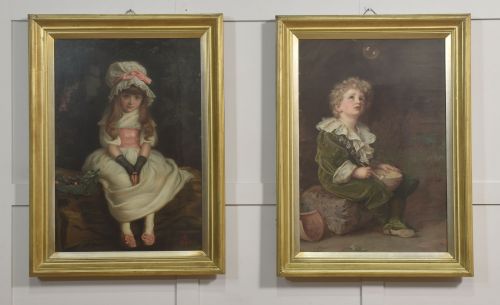
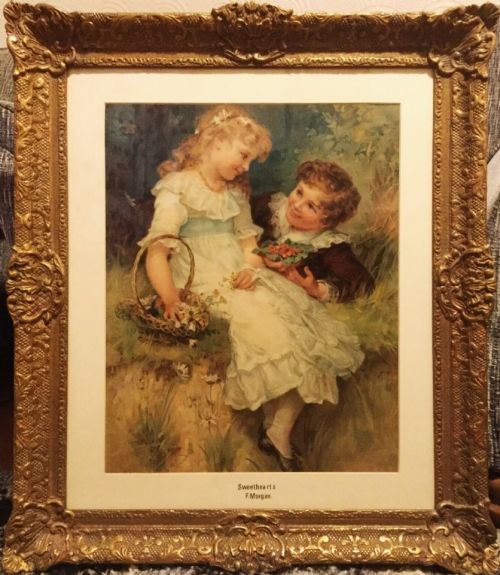
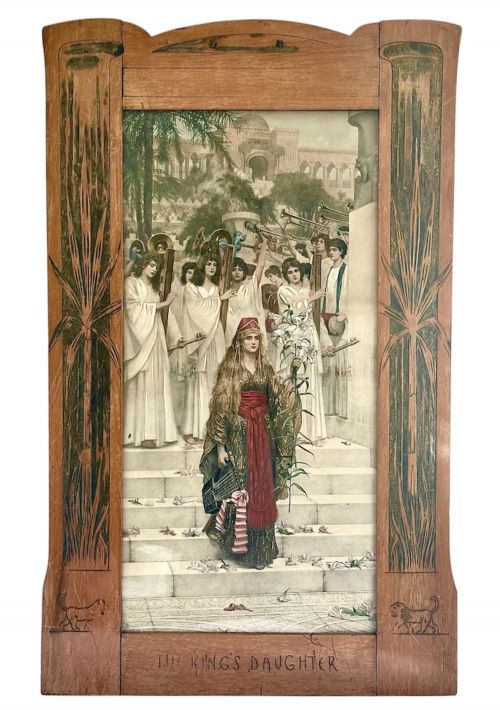
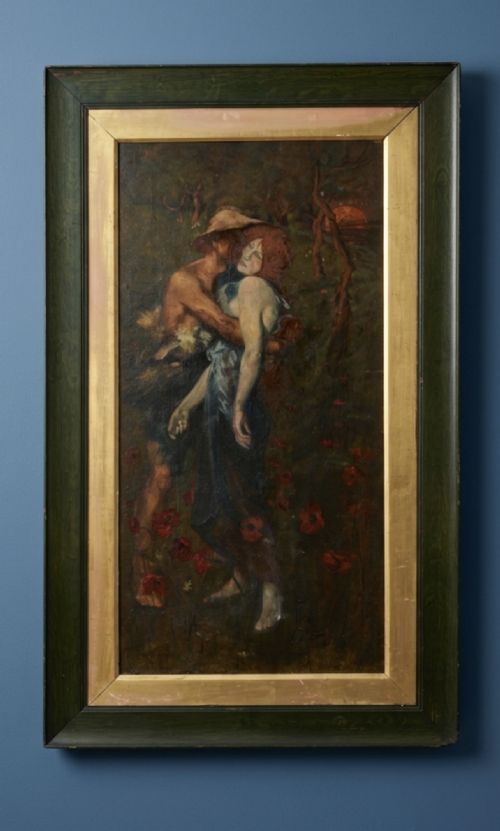
When you search for late victorian framed prints, you encounter a varied selection of wall art encompassing advertising chromolithographs, original etchings, and photogravures. These pieces reflect the diverse visual culture of the period, spanning commercial ephemera and fine art reproduction alike.
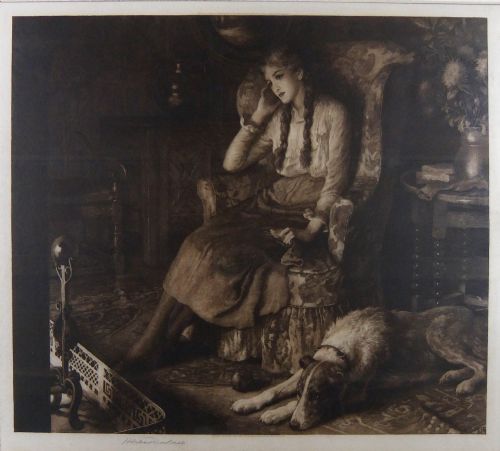
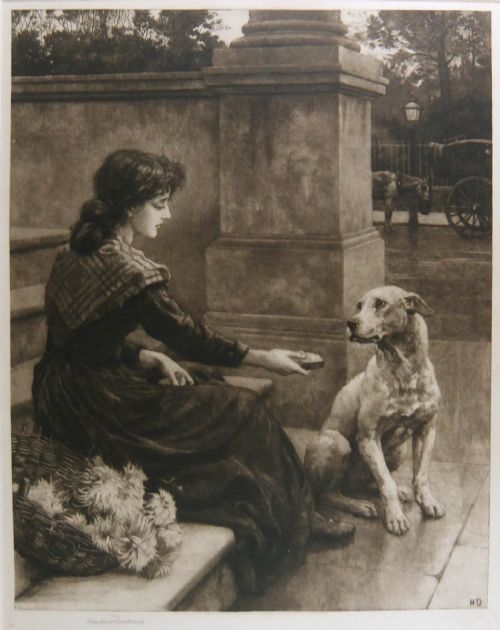
The objects on this page range from popular Pears soap advertising prints depicting portraits of children to original etchings by notable artists such as Herbert Dicksee. Alongside these, you find mixed media family portraits, chromolithographs from Vanity Fair, and delicate chrystoleoms.
The periods represented stretch from the late nineteenth century into the early twentieth century, showing how imagery from the era continued to be framed and displayed in subsequent decades. Each piece retains its period framing, bringing together paper, glass, and wood to create a complete historical object.
How they were made
The construction of late victorian framed prints relies on combinations of paper, ink, and glass assembled within wooden or gilt wood frames. Makers utilised established techniques of the era, including chromolithography for vibrant advertising images and photogravure for tonal depth in artistic reproductions.
Original etchings demonstrate the careful work of the printer and artist, while chrystoleoms involve hand-painted convex glass placed over a print to create a luminous, three-dimensional effect. These varied techniques ensured that images intended for mass distribution or individual appreciation received appropriate mechanical and manual treatment.
Listings feature paper, glass, and wood materials across the Victorian, Edwardian, and later twentieth-century periods.
What varies in quality
Quality in late victorian framed prints depends largely on the fidelity of the printing technique and the condition of the paper surface. Original etchings and detailed chromolithographs display sharper line work and richer colour saturation compared to simpler reproductions.
The integrity of the original frame, whether plain oak or gilt wood, contributes significantly to the piece's character. Well-preserved glazing and stable mounting beneath glass help protect the underlying paper from environmental degradation over time.
The Late Victorian Framed Prints Glossary
- Chromolithography
- A planographic printing process that uses multiple lithographic stones or plates to produce a multi-coloured image. This technique allowed for vibrant advertising prints and periodical inserts.
- Etching
- A printmaking method where lines are incised into a metal plate with acid before ink is applied and transferred to paper. Herbert Dicksee utilised this technique to create detailed animal and narrative scenes.
- Photogravure
- A intaglio printmaking technique that produces photographic images with continuous tones. It translates subtle shades of light and dark effectively onto paper.
- Chrystoleum
- A Victorian technique where a hand-coloured print is affixed to convex glass, made translucent with oils or varnish, and painted from behind. This creates a rich, glazed illusion of depth.
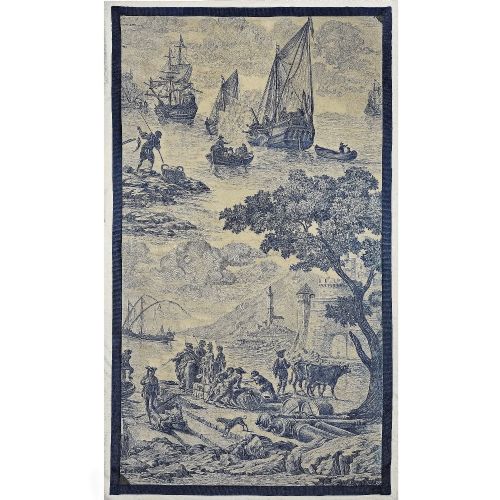
- Toile
- A woven textile panel featuring printed pastoral or figurative designs. These panels were used historically for wall hangings and domestic furnishings.
Late Victorian Framed Prints: Frequently Asked Questions
What subjects appear on these prints?
The subjects range from commercial advertising and portraits of children to original animal etchings and classical figurative scenes.
Many pieces reflect the popular visual culture and sentimental tastes prevalent during the late nineteenth and early twentieth centuries.
How should I hang framed prints?
Display these works away from direct sunlight to protect the paper and inks from fading over time.
Ensure that the wall fixings are secure and suitable for the weight of the wooden and glass frames.
Are the frames original to the pieces?
Many listings retain their period wood, oak, or gilt wood frames, which complement the age of the artwork.
Examining the backing and joinery helps determine if the framing dates from the same era as the print within.
What is a chrystoleum?
A chrystoleum is a convex glass panel placed over a hand-coloured print and painted from behind with oils.
This method produces a distinctive glossy finish and a layered appearance unique to nineteenth-century decorative arts.