





Antique Glass Photograph
These antique glass photograph pieces are delicate works of reverse-glass painting, autochrome, and framed imagery that capture portraiture and scenes with remarkable depth.
Antique Glass Photograph
An antique glass photograph encompasses reverse-glass painted prints known as crystoleoms, early glass autochromes, and mirrored frames housing delicate imagery. These objects bridge the gap between early photography and traditional painting.
The pieces appearing on this page span the Victorian and Edwardian periods, stretching back to the nineteenth century. Buyers encounter wall art, framed pictures, and personal jewellery such as pendants and brooches.
Common subjects include female nudes in oriental scenes, beauties, and continental landscapes, executed within distinct styles like Orientalism, Egyptian Revival, and Victorian Rococo Revival.
Methods of manufacture
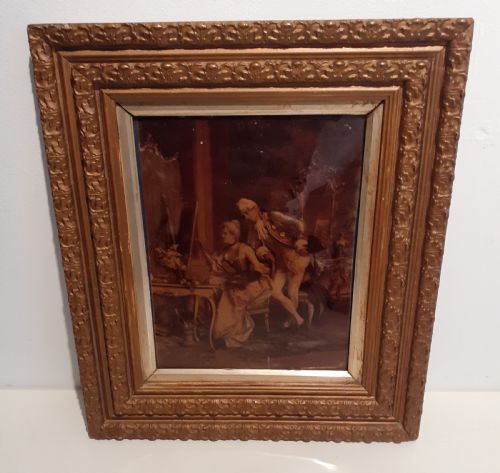
Crystoleoms are created by applying oil pigment to the back of a photograph placed on glass, which is then made transparent with oil or balsam before further hand-colouring. This meticulous layering technique gives the finished picture a luminous, three-dimensional quality.
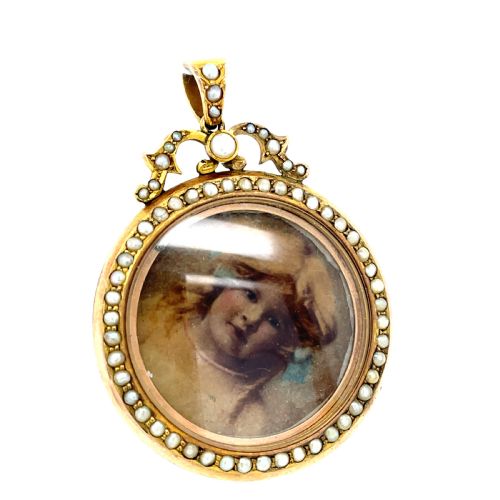
Early autochromes utilise glass plates coated with dyed starch grains to capture natural colour photography through a delicate filtering process. Frames and jewellery mounts combine glass with wood, gilt wood, gold leaf, and nine-carat gold accented by seed pearls.
Listings feature periods spanning the nineteenth century, the Victorian era, and Edwardian times through to nineteen-ten.
Assessing quality
The refinement of hand-painted detail on reverse glass determines the distinction between standard decorative output and exceptional works by named artists. Precision in the alignment of layered prints and pigments dictates visual clarity.
The integrity of the surrounding mount, whether a gilt wood frame or a nine-carat gold locket brooch inset with seed pearls, contributes significantly to the overall merit of the piece.
Schweninger·Murrle Bennett
The Antique Glass Photograph Glossary
- Crystoleum
- A Victorian method of applying hand-colouring behind a transparent photograph placed on glass. This process creates a rich, painted appearance that resembles an oil painting.
- Autochrome
- An early colour photography process invented by the Lumière brothers utilising dyed potato starch on a glass plate. It produces a distinctive textured colour transparency.
- Orientalism
- An artistic style reflecting Western fascination with Eastern cultures. This aesthetic frequently appears in nineteenth-century figure studies and scenic compositions.
- Gilt wood
- Wood that has been treated with a thin layer of gold leaf or gilt finish. It is commonly found on ornate picture frames from the Victorian era.
Antique Glass Photograph: Frequently Asked Questions
What is a crystoleum?
A crystoleum is a hand-coloured photograph set behind glass, popular during the Victorian period. Artists painted details directly onto the reverse of the image.
This technique produced a rich, layered effect that bridged the gap between photography and fine art painting.
How should I display wall art?
These framed glass pieces require careful placement away from direct sunlight to protect the pigments and paper elements. Stable indoor humidity prevents degradation of the delicate glass and wood components.
Secure wall fixings are essential due to the weight of glass panels and ornate frames.
Can I wear antique photo jewellery?
Jewellery items such as gold lockets and brooches incorporating glass photographs can be worn with care. Their delicate nature requires protection from knocks and moisture.
Storage in a padded box preserves the nine-carat gold and seed pearl mounts when not in use.
How do I date these pieces?
Dating relies on stylistic clues, framing materials, and the photographic or painting technique used. Victorian examples often feature ornate gilt frames and romantic or orientalist subjects.
Edwardian pieces incorporate lighter design motifs and refined metalwork like nine-carat gold settings.