


Antique Gilt Wall Art
Antique gilt wall art brings luminosity and historic character into a room through gilded frames, mirrors, and canvases.
Antique Gilt Wall Art
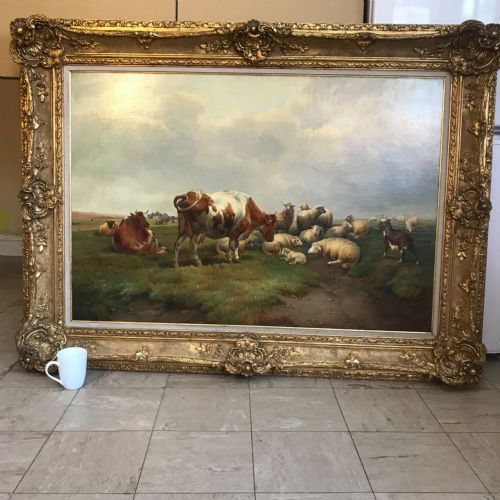
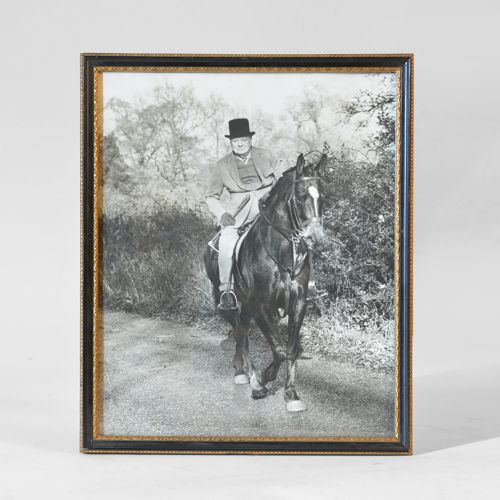
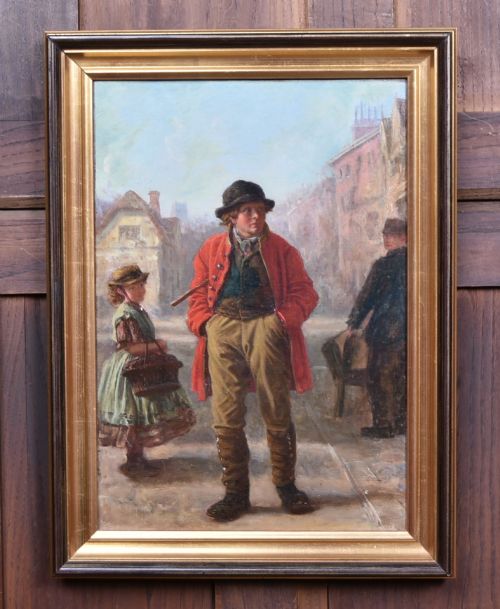
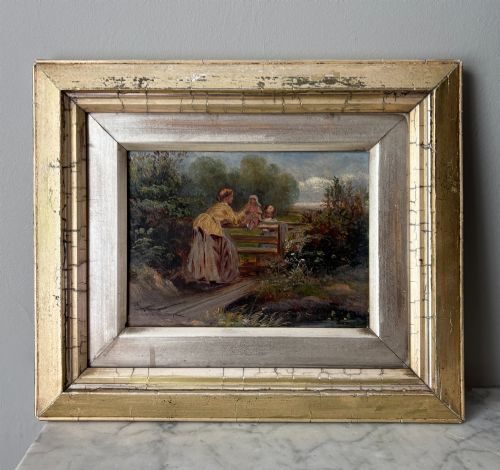
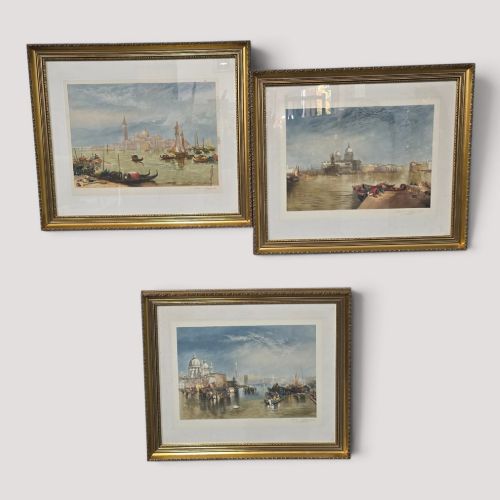
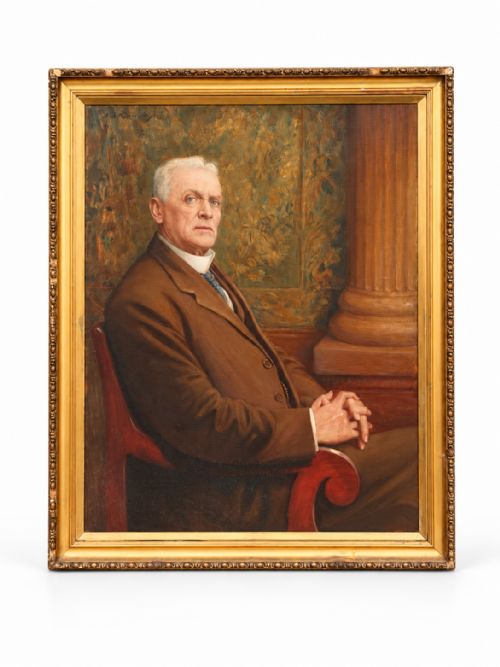
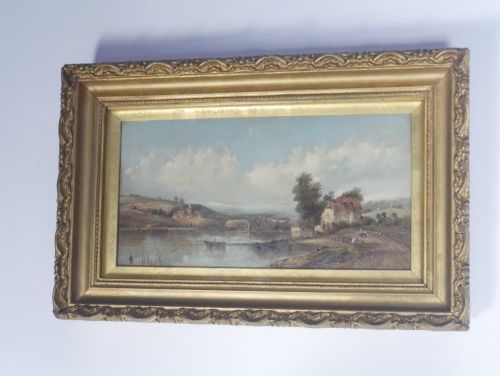
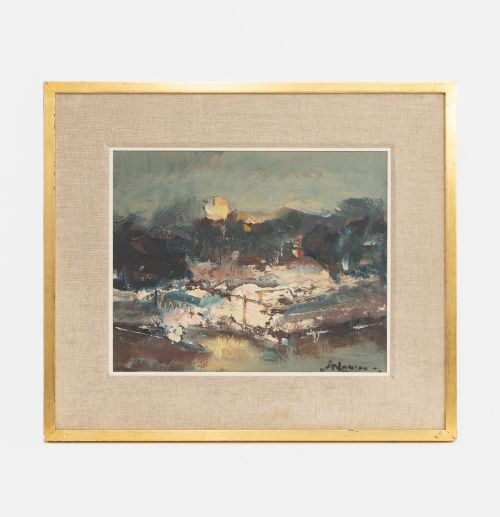
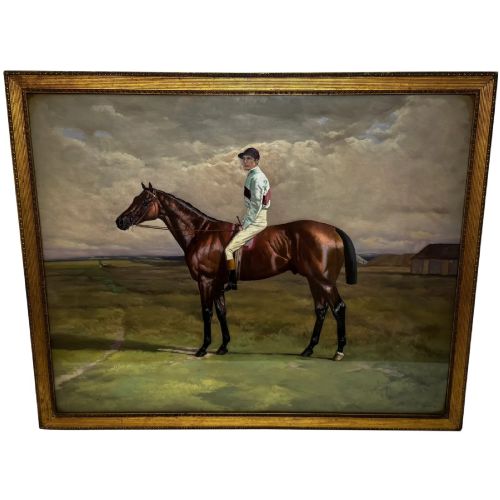
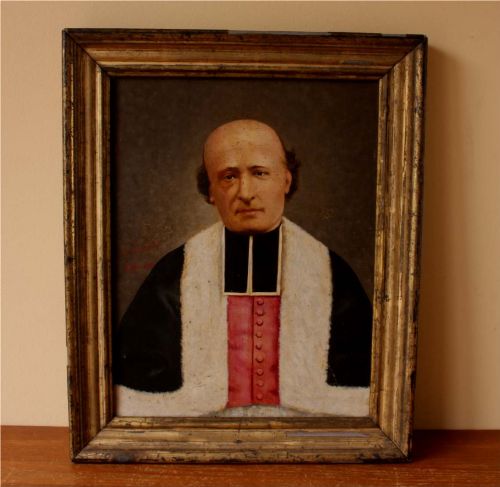
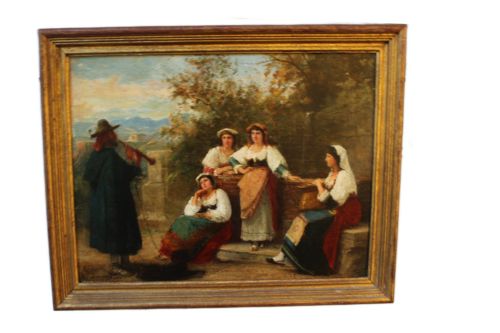
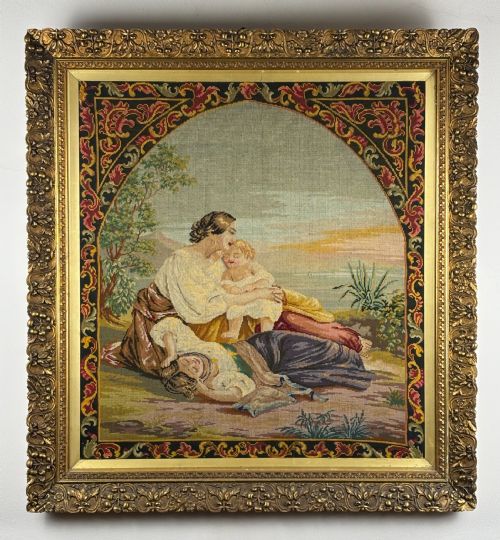
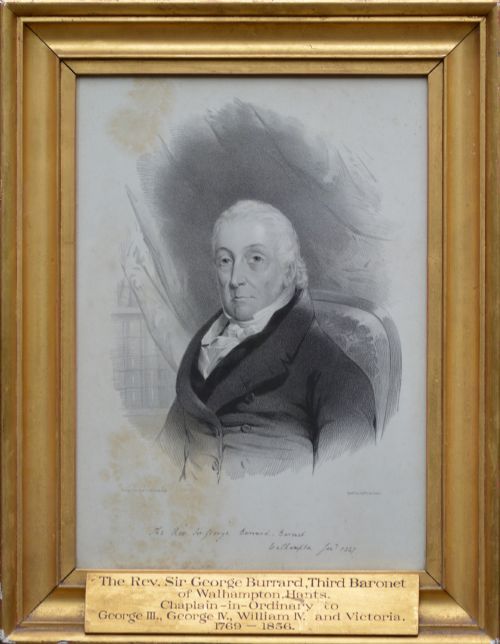
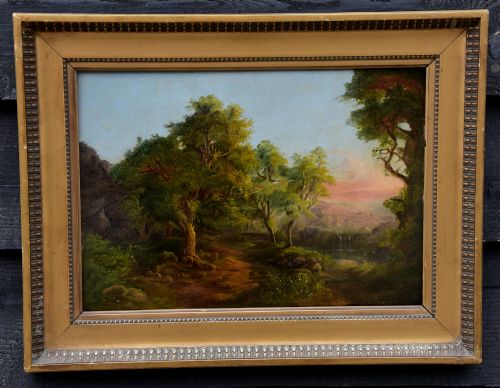
When searching for antique gilt wall art, collectors encounter a diverse array of framed oil paintings, watercolours, engravings, and mirrors. These pieces span from the seventeenth century through the Edwardian period, capturing portraits, landscapes, and maritime scenes.
The most frequent items meeting this description combine centuries-old canvases or works on paper with luminous metallic frames. French trumeau mirrors and British portraiture frequently populate this category.
The aesthetic bridges domestic interior decoration with fine art history. Pieces range from intimate pastels to monumental oil paintings housed in ornate surrounds.
Materials and Techniques
Makers utilised wood as the primary foundation for both the stretched supports of oil paintings and the robust carcases of carved frames. Giltwood and gesso application required meticulous layering before the delicate application of gold leaf.
Pigments were applied via oil on canvas, watercolour, or pastel across centuries of artistic production. Glass and paper elements also appear frequently, particularly within framed engravings and antique mirrors.
Antique Gilt Wall Art Retail Price Guide 2026
Typical asking prices for gilt wall art among the pieces listed under this phrase on Sellingantiques today, from the lower quarter to the upper quarter. They describe what is for sale here now, not the wider market.
The selection includes British and continental European schools, highlighting portraiture, botanical studies, and marine subjects.
Markers of Quality
The distinction between ordinary items and superior examples lies in the depth and hand-carved precision of the gilt moulding. Original gilding retaining its natural patination commands greater appreciation than later, heavy-handed restoration.
Artistic execution in the central painting or print heavily dictates the overall standing of the piece. Masterful brushwork, confident draughtsmanship, and well-preserved canvas integrity separate workshop standard outputs from finer hands.
Japy Freres·Samuel Marti·Raingo Freres·Henry Barraud·Sir Joshua Reynolds
The Antique Gilt Wall Art Glossary
- Giltwood
- Wood that has been treated with a thin layer of gold leaf or powder. This technique provides a luminous metallic finish popular across various centuries of furniture and framing.
- Trumeau
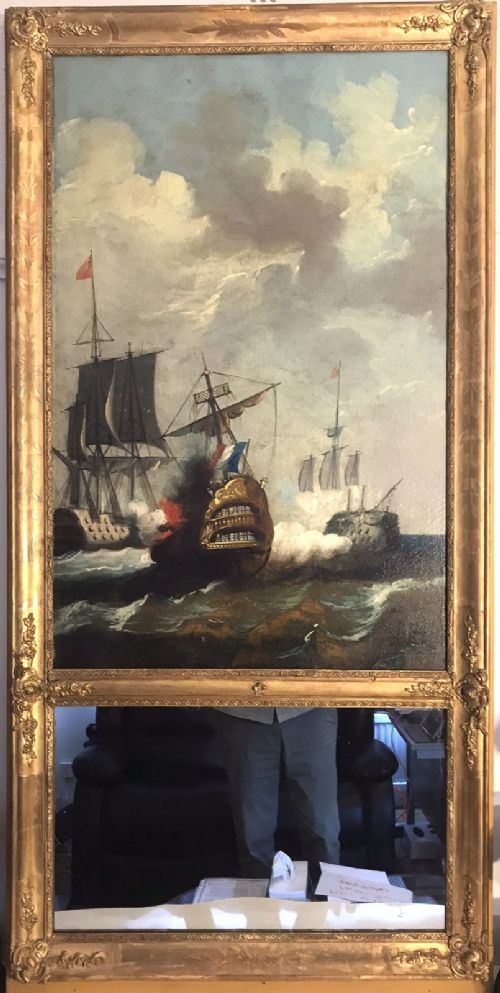
- A decorative wall mirror often paired with an oil painting inset above the glass. Originating in France, these pieces served architectural and artistic functions simultaneously.
- Mezzotint
- A printmaking process of the intaglio family where the plate is roughened to achieve tonal graduation. It allows for subtle gradations of light and shade in portrait reproductions.
- Gesso
- A plaster-like mixture used as a smooth base for fine paint application or surface gilding. Historic frames rely on this ground for intricate relief work.
- Cartel clock
- A wall-mounted clock housed in an ornate, often symmetrical or asymmetrical gilt bronze case. These French timepieces merged horology with decorative wall display.
Antique Gilt Wall Art: Frequently Asked Questions
How do I date antique gilt frames?
Dating relies heavily on the underlying construction methods, wood types, and the composition of the gesso layer beneath the gold leaf. Earlier frames often display hand-carved wooden details, whereas later Victorian examples utilise moulded plaster compositions.
Examining the corner joints and the backboards provides further clues regarding the era of manufacture. Fasteners such as hand-wrought nails or early screws help narrow down the historical window.
Where should I hang heavy gilt wall art?
Heavy pieces require secure placement directly into structural wall studs or reliable masonry anchors capable of holding substantial weight. The robust construction of antique gilt frames and oil canvases demands sturdy hanging hardware.
Consider room lighting and atmospheric humidity when selecting a wall placement. Avoiding direct, intense sunlight protects both the oil pigments and the delicate gilded surfaces from fading.
How do I clean antique gilt surfaces?
Dusting should be performed gently using a very soft, dry brush to remove particulate matter without disturbing fragile gold leaf. Moisture and modern chemical cleaners must be avoided entirely to prevent stripping the historic finish.
Professional conservators should handle deeper cleaning or repairs to flaking gesso. Preserving the original patination is essential for maintaining the historical integrity of the piece.
What is the difference between giltwood and gilt bronze?
Giltwood refers to wooden frames or carved elements coated in gold leaf, whereas gilt bronze describes cast metallic mounts and decorative cases. Gilt bronze pieces, such as cartel clocks, feature heavy metal alloy foundations.
Both materials share a bright metallic aesthetic but differ entirely in weight, structural composition, and manufacturing technique. Understanding this distinction aids in identifying French versus British decorative traditions.