




Gold Frame Glass Artwork
These gold frame glass artwork pieces combine period illustration, painting and photography behind protective glazing, offering collectors a glimpse into historic domestic display.
Gold Frame Glass Artwork
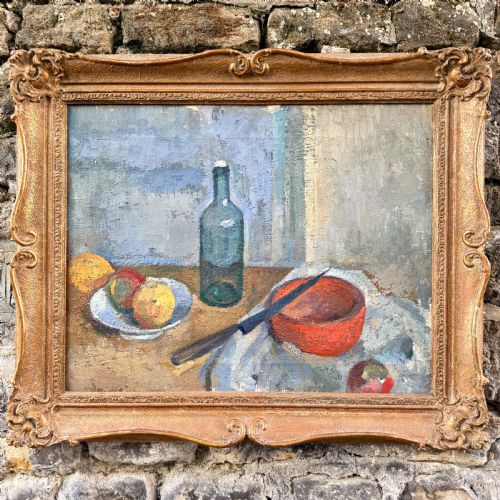
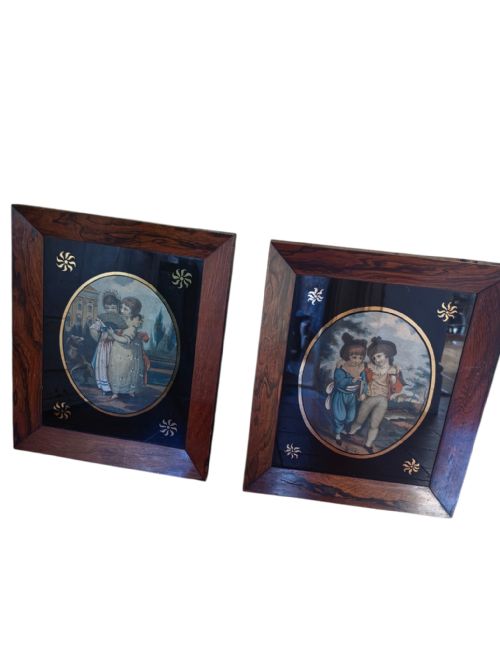
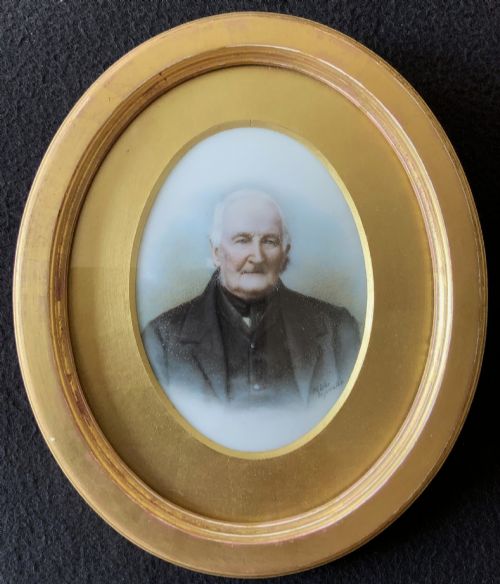
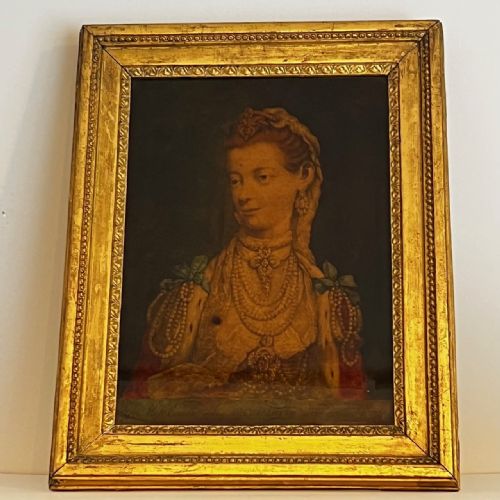
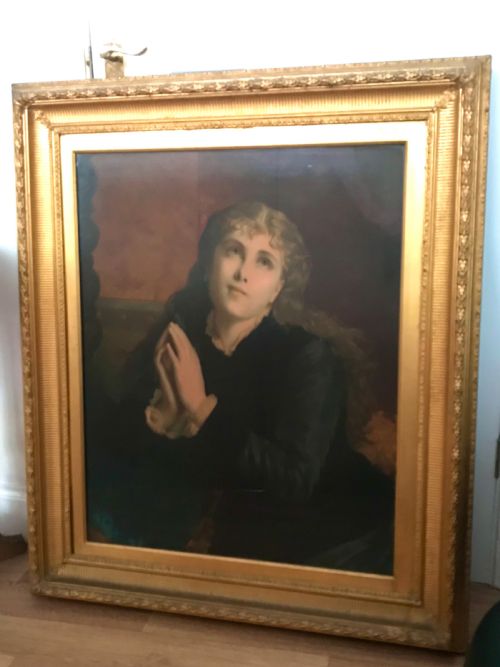
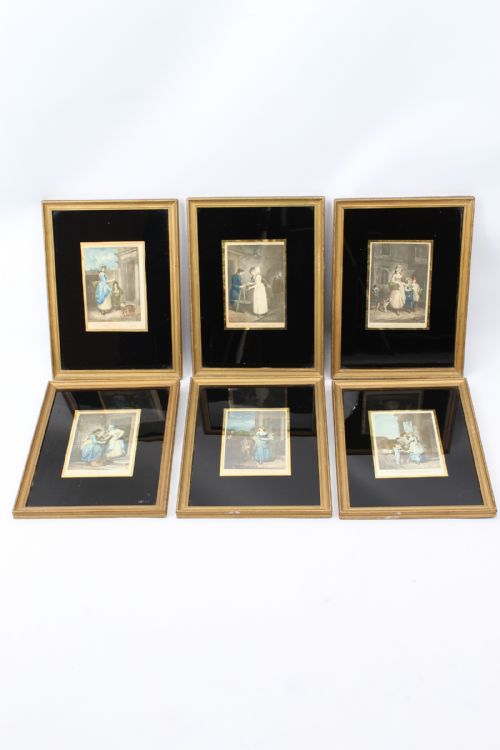
When you search for gold frame glass artwork, you encounter a diverse selection of wall art, framed prints, oil paintings and miniature portraits spanning from the Georgian and Regency eras through the Victorian period and into the early twentieth century. The selection encompasses reverse glass paintings, chrystoleoms, oil paintings on canvas under glass, and mezzotints housed within ornate giltwood and rosewood surrounds.
The most frequent items met on this page are nineteenth-century chrystoleoms and reverse glass prints depicting portraits, allegorical scenes and still life subjects. These pieces demonstrate historical framing techniques where convex or flat glass protects delicate paper surfaces, watercolours and oleographs from environmental degradation.
How they were made
Makers utilised glass, paper, canvas and wood, applying oil paint, watercolour, and printing inks directly to supports or behind protective glazing layers. Crystoleum creation involved rendering a photograph or print transparent, applying it to glass, hand-painting the reverse with oil colours, and backing the assembly.
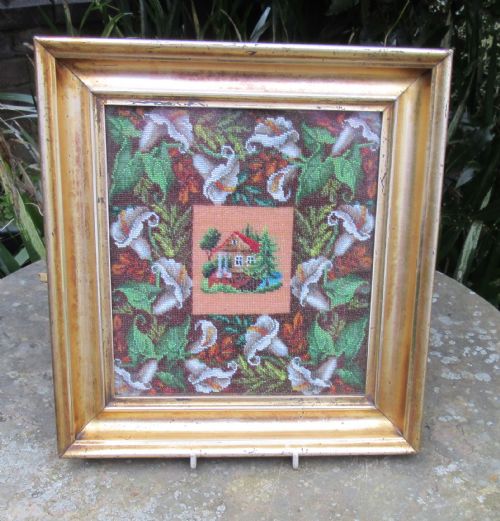
Frames are primarily constructed from gilt wood or giltwood, often featuring ornate moulding and dome-fronted glass configurations. Some works incorporate secondary materials such as beadwork or rosewood to enhance the visual presentation of the framed picture.
Several Victorian ladies peer out from beneath domed glass frames, preserved with delicate hand-tinted cheeks that survived centuries of domestic parlour life.
What varies in quality
The standard of execution in hand-painted details and miniature portraiture dictates the upper tier of the range, where fine brushwork on glass or canvas exhibits distinct artistic skill. Mass-produced prints and standard mechanical reproductions occupy the accessible end, showing less hand-finishing.
The integrity and originality of the gilt frame significantly influence the desirability of the piece, with period-correct gilding and undamaged convex glass holding greater merit than later replacements. The crispness of the underlying print and the preservation of hand-applied pigments also determine overall execution quality.
Robert Sayer·Edward Ladell·Schweninger
The Gold Frame Glass Artwork Glossary
- Chrystoleum
- A Victorian method of applying a coloured photograph or print to glass, hand-tinting the reverse with oil paints, and removing the paper backing. This technique produced dimensional, highly finished coloured pictures popular in nineteenth-century parlours.
- Reverse Glass Painting
- An artistic technique where the image is painted directly onto the back of a glass panel so that the final composition is viewed correctly through the front. It requires the artist to paint background details before foreground elements.
- Mezzotint
- A printmaking process of the intaglio family where the plate is roughened to produce dark tones and scraped to produce lighter areas. It yields rich gradations of light and shade particularly suited to portraiture.
- Oleograph
- A type of chromolithography produced on canvas to imitate the appearance of an oil painting. These reproductions gained popularity in the nineteenth century for domestic wall decoration.
- Giltwood
- Timber, such as pine or gesso-coated carved wood, treated with gold leaf or metallic powder to create a lustrous golden finish. It forms the primary decorative framing material across Georgian and Victorian periods.
Gold Frame Glass Artwork: Frequently Asked Questions
What is a chrystoleum?
A chrystoleum is a nineteenth-century picture created by pasting a monochrome photograph or print onto glass, making it transparent, and hand-painting the reverse with oil colours.
This technique produced vibrant, layered portraits and genre scenes that gained immense popularity during the Victorian era for domestic display.
Are these frames original?
Many pieces retain their period giltwood or rosewood frames, which often feature traditional moulding and construction methods specific to their manufacturing decade.
Distinguishing original frames involves examining the backboards, fixings, and the wear patterns of the gold leaf relative to the age of the artwork.
How do I date reverse glass paintings?
Dating these works involves examining the framing materials, the style of the costume in the portrait, and the type of glass used in the construction.
Earlier eighteenth and nineteenth-century examples often display hand-blown glass irregularities, whereas later Victorian and Edwardian pieces utilise more uniform manufacturing methods.