


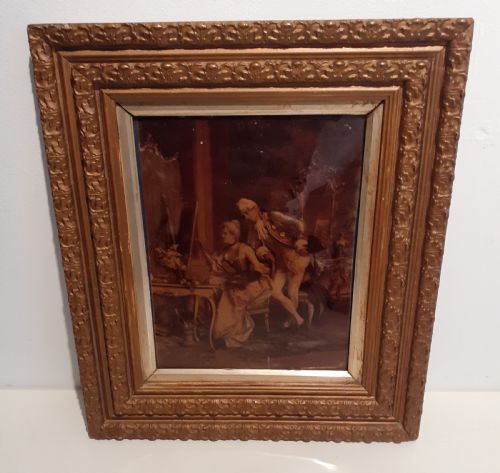


Vintage Framed Glass Print
These vintage framed glass print selections span centuries, offering a distinct combination of historical image and protective glazing that defines domestic decor.
Vintage Framed Glass Print
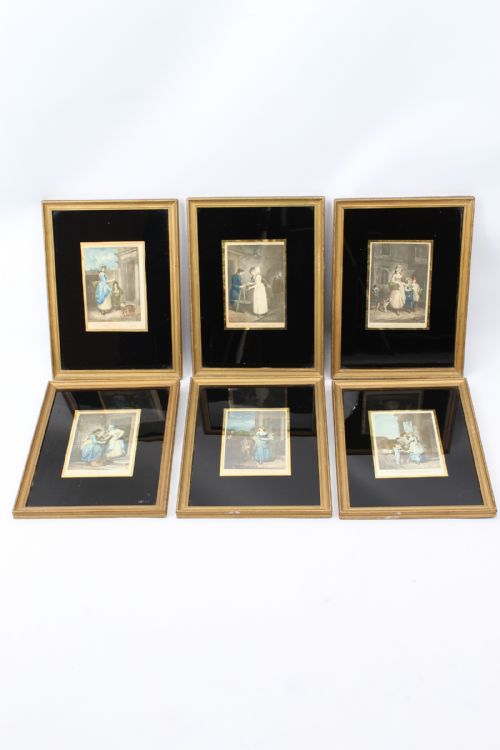
A vintage framed glass print brings together historic imagery and period framing methods, ranging from Georgian reverse glass paintings to Edwardian and Art Deco wall art.
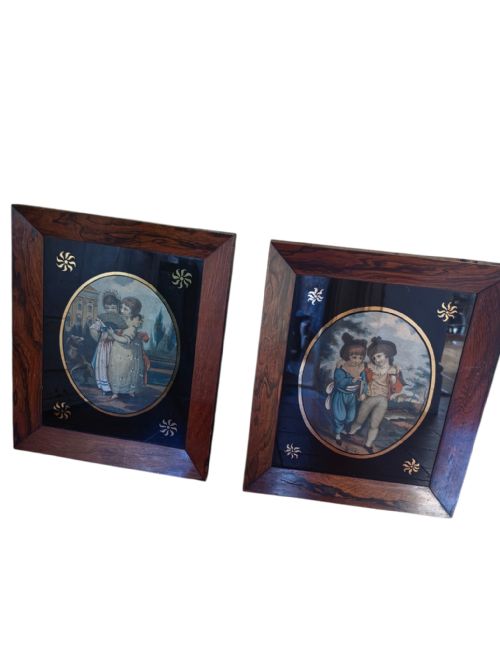
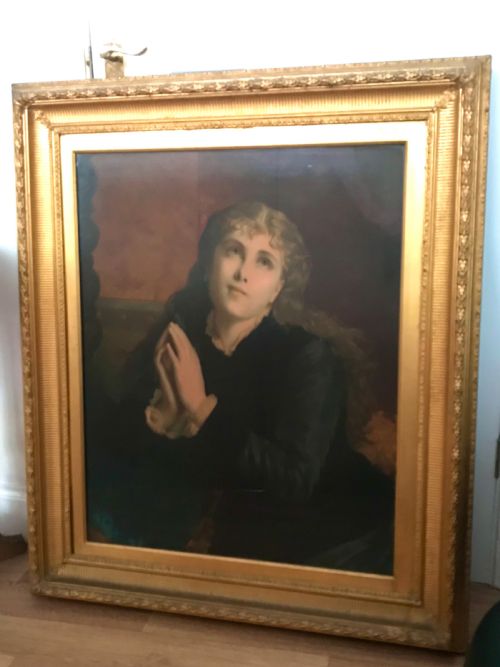
Buyers seeking a vintage framed glass print encounter various forms, including reverse mezzotints, religious oleographs under glass, and convex glass chrystoleums housed in rosewood, maple, or giltwood frames.
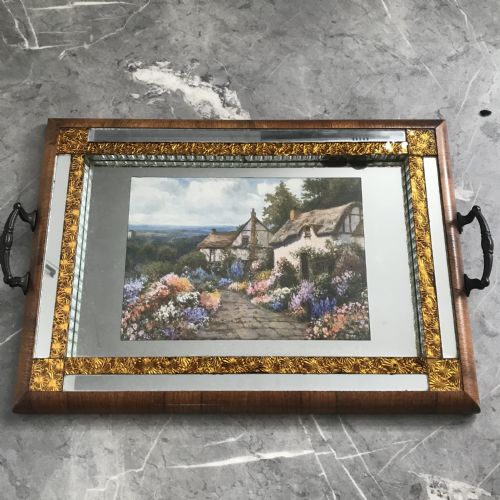
The selection encompasses diverse subjects from portraits of ladies and domestic scenes to cartographic serving trays and naval engagements, demonstrating the wide decorative appeal of these glazed works.
Materials and Construction
Makers utilised paper prints, oil paint, and specialised techniques like reverse glass painting and chrystoleum production, where paper images were applied to glass, made translucent, and hand-tinted.
Frames rely on traditional timbers and finishes, incorporating rosewood, walnut veneer, maple, gesso, and gilt wood to secure and display the delicate glass panels.
Early naval engagements rendered in reverse glass allow historic battles to sail perpetually across your drawing room wall.
Factors That Determine Quality
The sophistication of the hand-colouring and the clarity of the underlying print separate standard decorative items from finer examples of reverse glass work and chrystoleums.
The preservation of the original framing materials, such as untouched giltwood, rosewood, or maple moulding, greatly influences the overall integrity of the piece.
W Bishop·Schweninger·Abraham Cooper
The Vintage Framed Glass Print Glossary
- Chrystoleum
- A specialised Victorian method of applying a colourless paper print to the inside of concave glass, hand-tinting it with oil paints, and backing it with further layers. This technique produced a rich, three-dimensional effect popular in the nineteenth century.
- Reverse Glass Print
- An image transferred or painted directly onto the reverse side of a glass sheet and viewed from the front. This process protects the delicate pigments from dust and light damage.
- Eglomise
- A gilding technique where a thin layer of gold or metal leaf is applied to the rear face of glass before being etched and painted. It creates a highly reflective, decorative border often seen on antique mirrors and frames.
- Oleograph
- A mechanical print produced in imitation of an oil painting, often executed on canvas or paper. When placed under glass, it mimics the textured surface and rich tones of genuine oil works.
Vintage Framed Glass Print: Frequently Asked Questions
What is a chrystoleum?
A chrystoleum is a tinted photograph or print created by placing a paper image onto glass, thinning the paper, and applying oil paints by hand from behind.
This meticulous layering technique yielded a glossy, dimensional appearance that was especially fashionable during the Victorian and Edwardian eras.
Are reverse glass prints fragile?
The glass and the pigments applied directly to its rear face require careful handling to prevent scratching, flaking, or cracking.
Displaying these pieces away from direct sunlight and areas of high humidity helps preserve the stability of the fragile internal components.
How do I date a framed glass print?
Dating relies heavily on the construction style of the frame, the backing materials, and the specific printing or painting technique employed by the maker.
Rosewood or maple frames and convex glass mouldings frequently point toward nineteenth-century craftsmanship, while walnut veneers suggest later Edwardian or Art Deco periods.