



Georgian Wall Decoration
Georgian wall decoration brings together carved wood, gilded mirrors and painted portraits that anchor a room with period character.
Georgian Wall Decoration
When searching for Georgian wall decoration, buyers encounter an array of items designed to ornament domestic interiors during the eighteenth and early nineteenth centuries. The selection ranges from framed mezzotints and antique maps to carved wooden mirrors and decorative chargers.
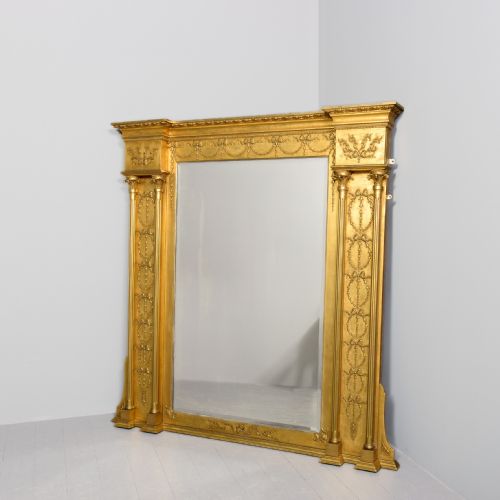
Mirrors form a prominent part of the available pieces, often featuring giltwood frames, eglomise glass panels and neoclassical details. These wall pieces reflect light and add architectural presence to a room.
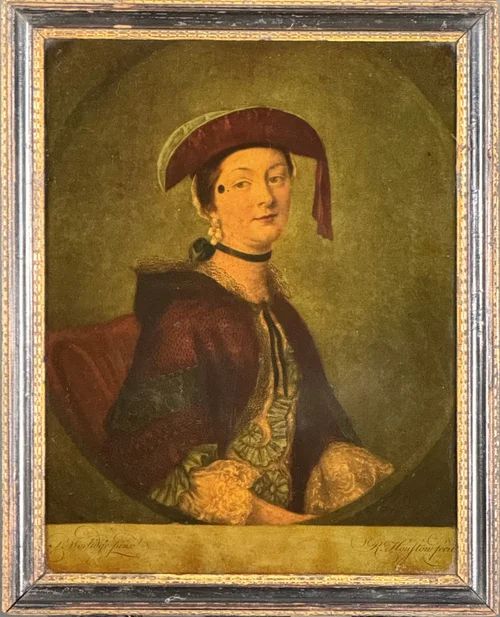
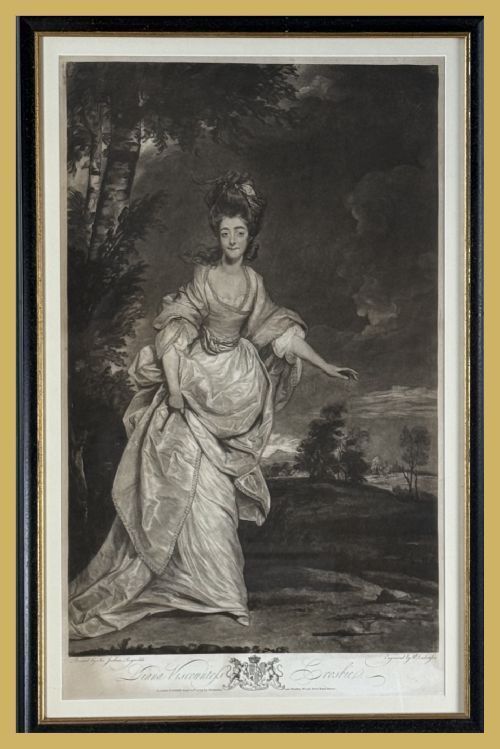
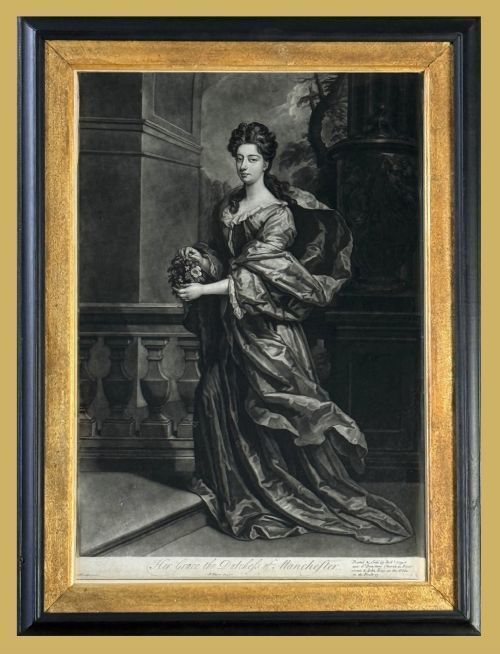
Portraits executed as reverse painted mezzotints or engravings alongside framed cartography represent the graphic arts of the period. Such works provide a window into the visual culture and portraiture valued in Georgian homes.
Materials and construction
Wood serves as a primary material, appearing as carved walnut, oak and giltwood in frames, mirrors and cupboards. Craftsmen shaped these timbers using hand-carving techniques and applied gold leaf over gesso to create reflective mirror frames.
Paper and glass are integral to the prints, maps and reverse glass works found in this category. Mezzotints utilised copper plates for engraving, while reverse painting on glass required precise hand application of pigments behind the transparent surface.
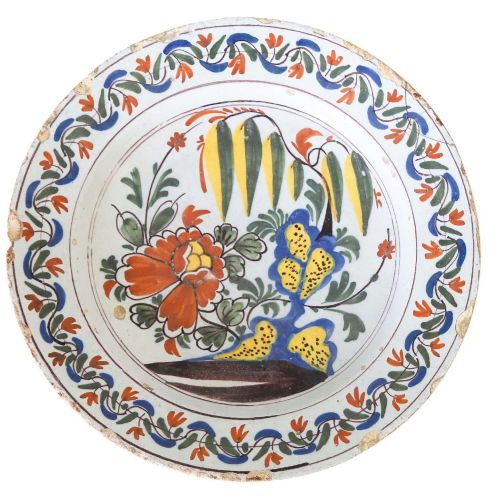
Ceramics and plaster also feature among the wall pieces, represented by polychrome Delftware chargers and classical library busts. These items relied on traditional moulding, firing and hand-painting methods standard to the eighteenth century.
Listings feature eighteenth-century and nineteenth-century pieces, including Georgian, Regency, and Victorian periods executed in wood, glass, paper, and gold leaf.
Factors of quality
The refinement of the hand-carved detail on wooden frames and mirrors distinguishes finer examples from simpler work. Crisp execution in the acanthus leaves, moulding and gilt decoration indicates skilled craftsmanship.
The clarity and preservation of the printed image or painting determine the visual merit of mezzotints and reverse glass prints. Intact original surfaces and well-preserved pigments maintain the historical integrity of the piece.
The structural condition of the wood and the retention of original finishes, such as untouched giltwood or early polish, influence the authenticity of mirrors and cupboards.
Charles Spooner·W Dickinson·Watson·Sir Joshua Reynolds·John Faber Jr·Sir Godfrey Kneller
The Georgian Wall Decoration Glossary
- Mezzotint
- A printmaking process where the copper plate is roughened to achieve tones and rich dark areas. This technique was frequently used for reproducing oil paintings of portraits.
- Giltwood
- Timber coated with gold leaf applied over a prepared gesso ground. It was extensively used on eighteenth-century mirror frames and decorative carvings.
- Eglomise
- A technique involving cold painting and gilding on the reverse face of glass. It produced a reflective, metallic panel often seen in the upper sections of pier glass mirrors.
- Delftware
- Tin-glazed earthenware produced in England and the Netherlands, typically decorated with hand-painted polychrome or blue motifs. Chargers of this type were often hung on walls for display.
- Neoclassical
- A style spanning the late eighteenth and early nineteenth centuries inspired by classical antiquity. It introduces symmetry, urns, swags and crisp architectural motifs to wall decoration.
Georgian Wall Decoration: Frequently Asked Questions
How do I hang a heavy giltwood overmantel mirror safely?
Heavy giltwood mirrors require secure fixing directly into wall studs or masonry using appropriate brackets and fixings that distribute the weight evenly.
Professional installation is recommended for large nineteenth-century overmantel pieces to ensure the frame and glass remain stable.
What is the difference between an overmantel mirror and a pier glass?
An overmantel mirror is wide and traditionally designed to hang above a fireplace mantelpiece, dominating the chimney breast.
A pier glass is taller and narrower, specifically proportioned to fit the wall space between two windows.
Can Delftware chargers safely be hung on walls?
Delftware chargers can be displayed on walls using specialised spring-loaded plate hangers with protective rubber tips.
Ensure the hanger grips the rim securely without applying excessive pressure to the earthenware body.