

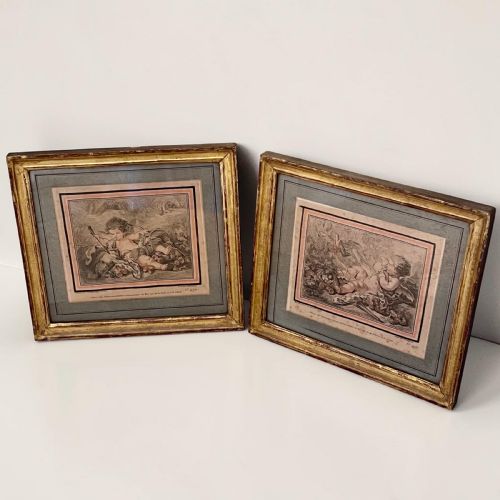
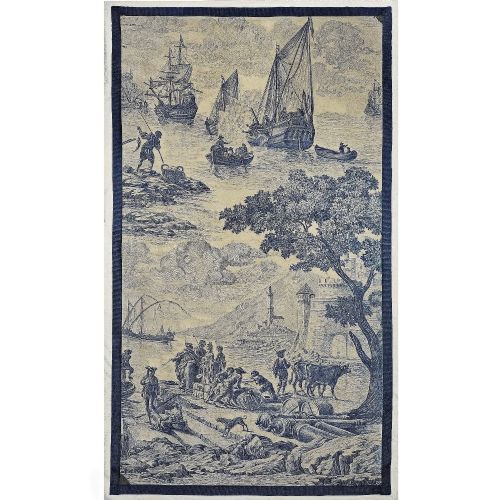


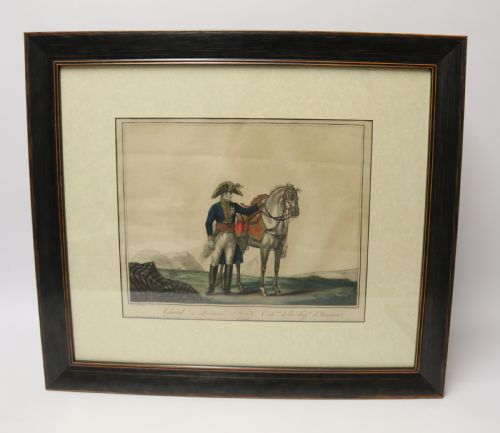
Antique French Copperplate Print
These antique french copperplate print examples bring centuries of European graphic art, cartography, and textile design directly to your wall.
Antique French Copperplate Print
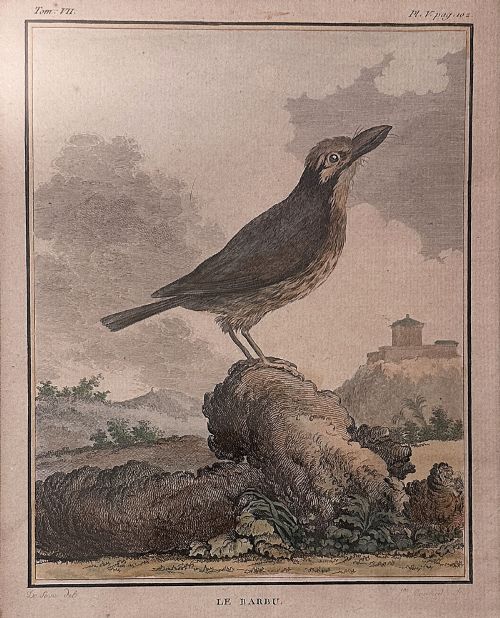
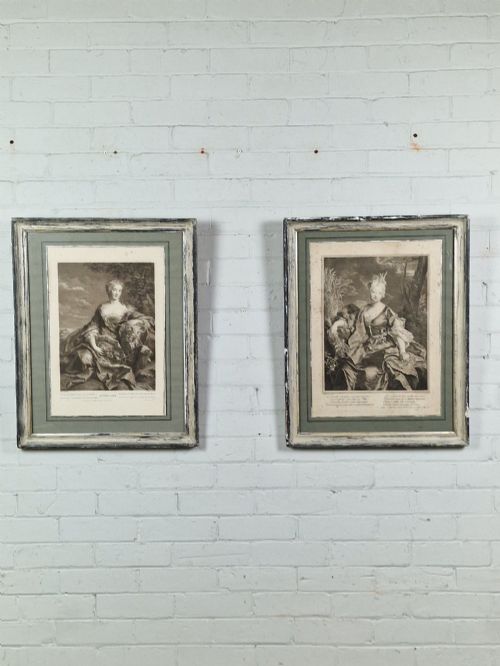
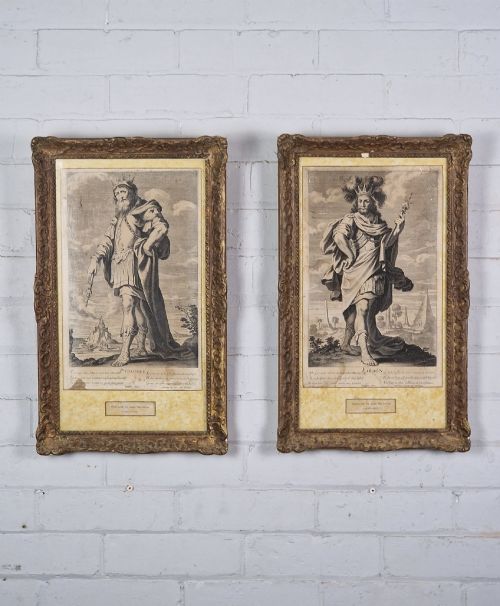
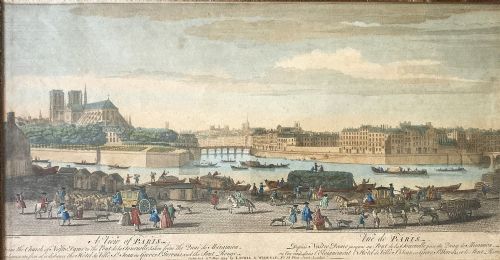
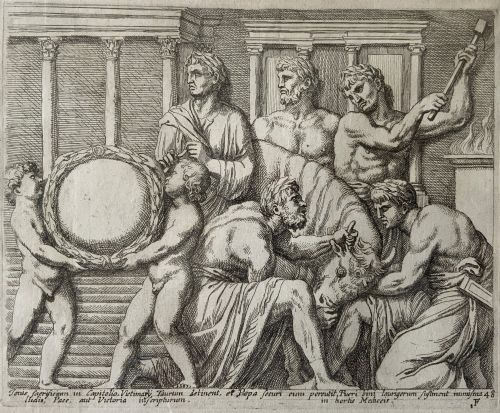
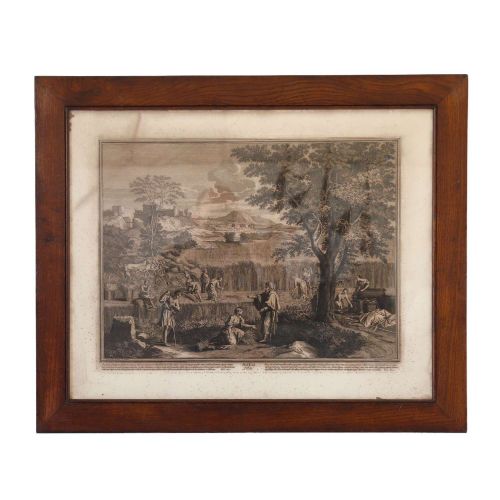
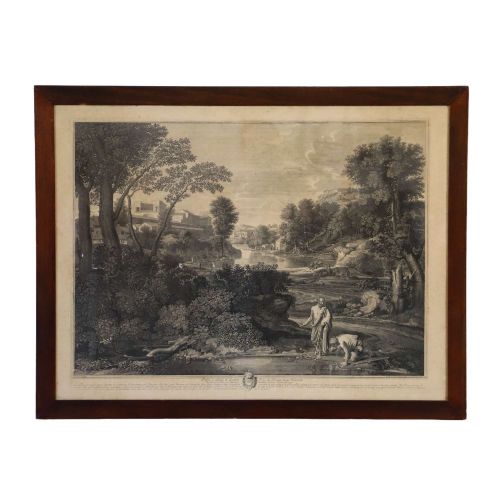
An antique french copperplate print encompasses engraved works, etchings, maps, and textile panels originating from France across the seventeenth, eighteenth, and nineteenth centuries. You will most frequently encounter eighteenth-century framed engravings depicting classical landscapes, architectural studies, natural history, and mythological scenes.
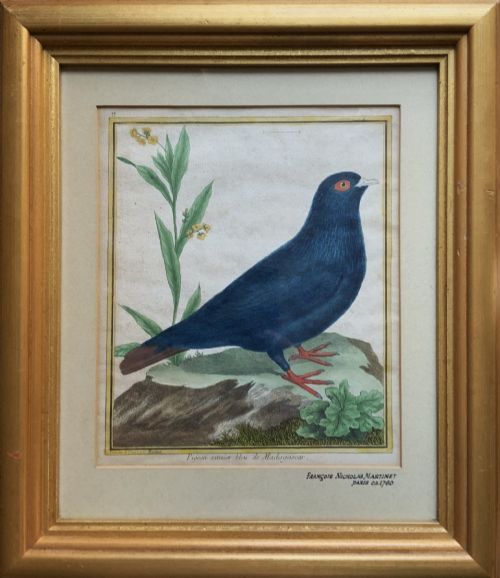
Makers and artists represented in the evidence include Jean Mariette, François-Nicolas Martinet, François Perrier, Étienne Baudet, Demarteau after Huet, C de Falens, and Charles Paillasson. These works frequently arrive mounted in wood, gilt wood, or gold leaf frames alongside original cotton toile panels.
How they were made
Makers produced these works by etching or engraving designs onto copper plates before pressing them onto paper or cotton. Printers frequently applied hand colouring using watercolour or ink directly onto the paper surfaces.
Framing materials observed in the inventory include wood, glass, gold leaf, and gilt wood to house the delicate paper sheets and textile panels. Surviving pieces often retain their original frames from the Georgian and later periods.
Antique French Copperplate Print Retail Price Guide 2026
Typical asking prices for french copperplate print among the pieces listed under this phrase on Sellingantiques today, from the lower quarter to the upper quarter. They describe what is for sale here now, not the wider market.
Materials utilised across the inventory include paper, glass, wood, gold leaf, gilt wood, ink, cotton, and watercolour.
What varies in quality
The distinction between tiers rests upon the clarity of the plate impression, the precision of the original hand colouring, and the survival of period framing. Early seventeenth and eighteenth-century impressions demonstrate sharper lines from un-worn copper plates.
The presence of documented artists such as François Perrier or François-Nicolas Martinet elevates individual sheets above anonymous plates. Additionally, original frames executed in gilt wood or gold leaf contribute significantly to the overall integrity of the piece.
Jean Mariette·François-Nicolas Martinet·François Perrier·Étienne Baudet·Demarteau·Huet·C de Falens·Charles Paillasson
The Antique French Copperplate Print Glossary
- Copperplate
- A printing matrix formed of copper where lines are incised by hand with a burin or bitten with acid. This technique allowed artists to achieve exceptional line fidelity in historical prints.
- Etching
- A printmaking process where an artist uses acid to cut into the unprotected parts of a metal surface to create a design in intaglio. It forms the foundation for many seventeenth-century works.
- Toile
- A heavy cotton or linen fabric printed with monochrome narrative scenes from engraved plates. Eighteenth-century examples often depict pastoral or allegorical subjects.
- Cartography
- The study and practice of making maps, represented here by French engraved maps on paper. These sheets record geographical knowledge of the Georgian era.
- Hand colouring
- The deliberate application of watercolour or ink by hand onto a printed paper sheet. This process enhances the visual depth of natural history subjects and maps.
Antique French Copperplate Print: Frequently Asked Questions
How do I hang antique prints?
Protect the paper and original frames by avoiding direct sunlight and hanging them on interior walls away from moisture.
Secure them using appropriate picture hooks suited to the weight of the wood and glass framing.
Are these prints original?
The inventory comprises period pieces originating from the seventeenth, eighteenth, and nineteenth centuries. Each work reflects the printing and engraving standards of its specific era.
Examinations of the paper, ink, and plate marks confirm their period production.
What subjects are available?
Subjects span classical mythology, architectural views of Paris, natural history including bird studies, and historical landscapes. Cartography and decorative toile panels also feature.
Works after artists like Poussin and Huet offer distinct narrative scenes.
How do I identify periods?
Dating relies on stylistic markers, framing materials, and the documented working dates of the engravers. Eighteenth-century pieces frequently display rococo or neoclassical aesthetic traits.
Georgian cartography and nineteenth-century Napoleonic military prints carry distinct historical signatures.