
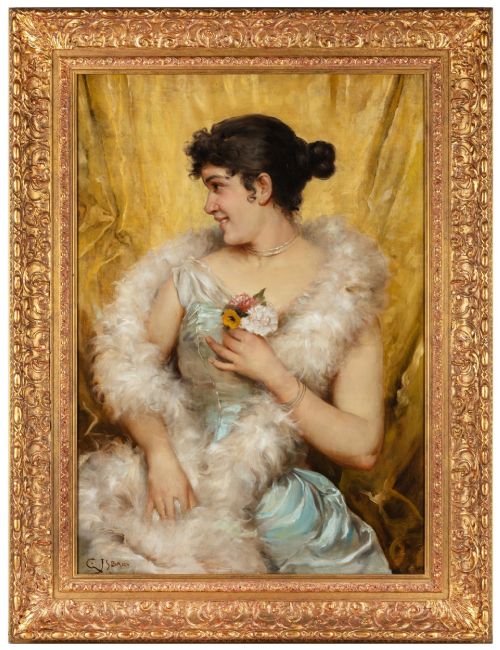
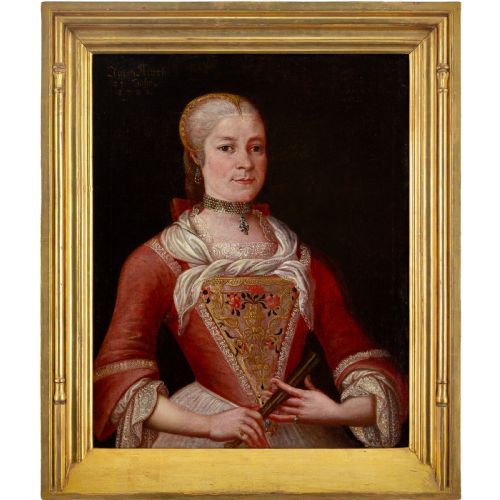
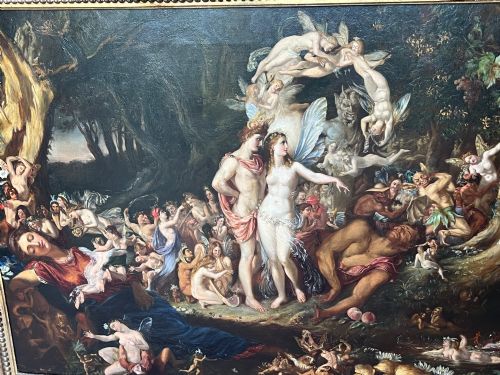
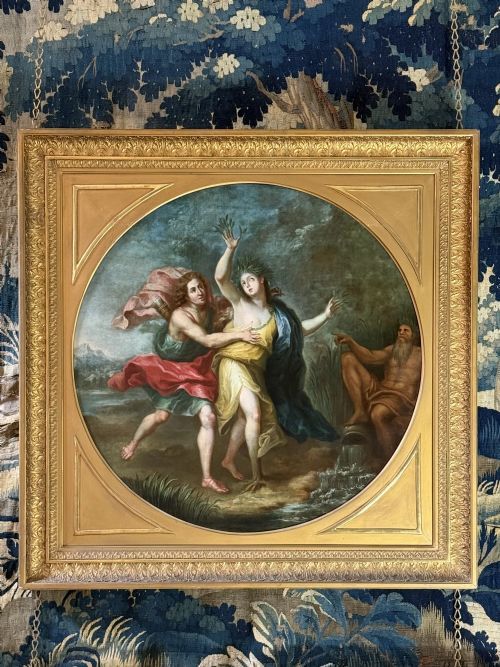


Classical Framed Art
When you search for classical antique framed art, you encounter historical paintings, prints, and drawings secured in period surrounds.
Classical Framed Art
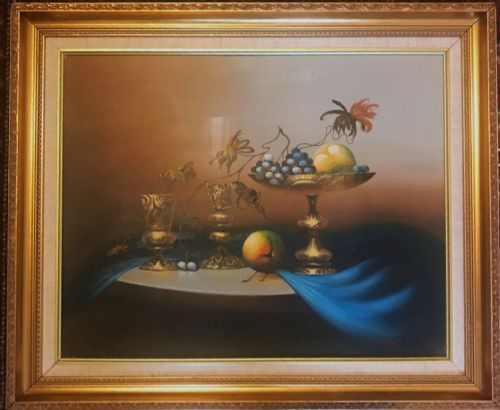
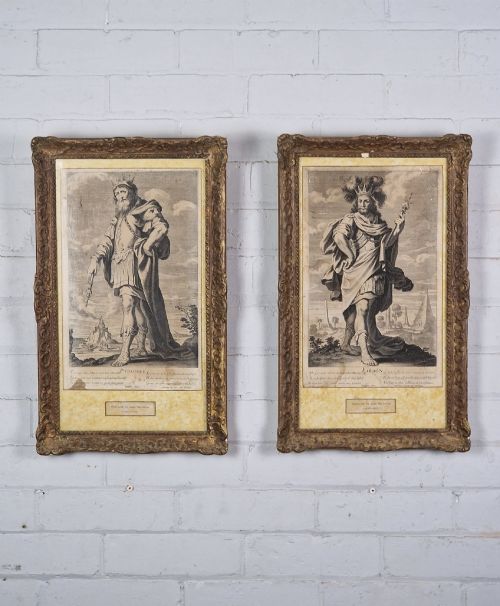
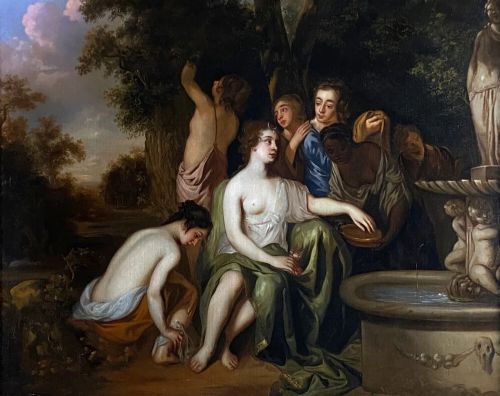
Classical antique framed art encompasses oil paintings, mezzotint portraits, engravings, and watercolours spanning from the seventeenth century through to the mid-twentieth century. These works frequently draw upon mythological themes, portraits, and still lifes created in styles such as Georgian, Neoclassical, and Baroque.
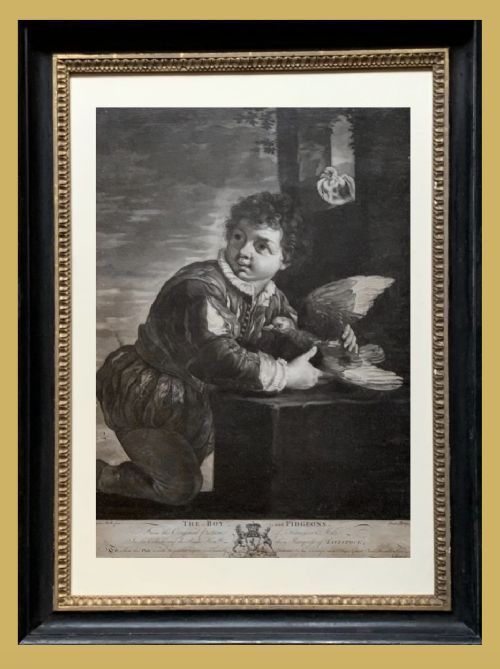
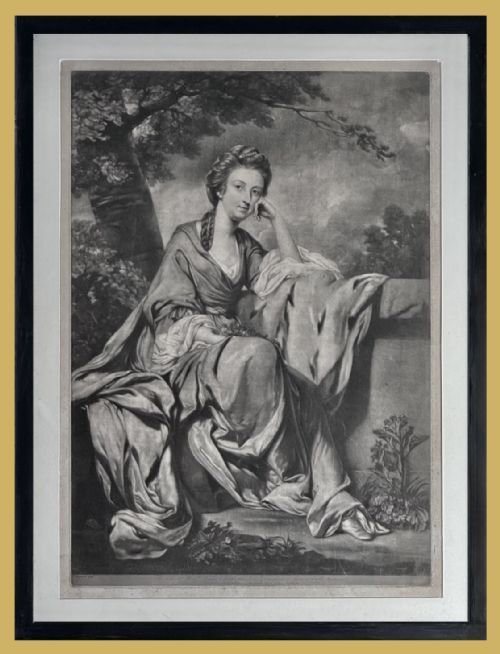
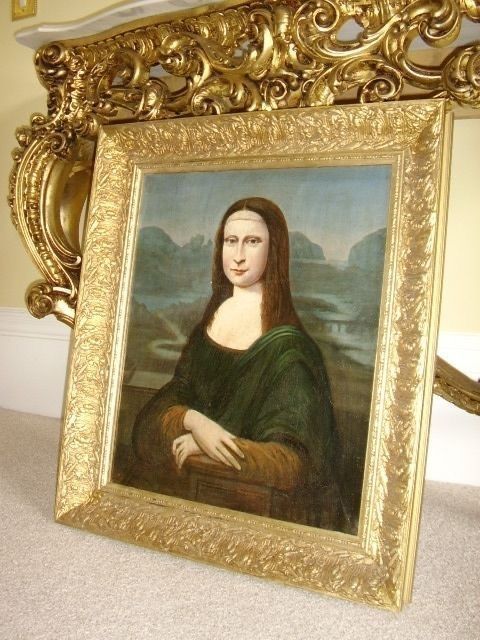
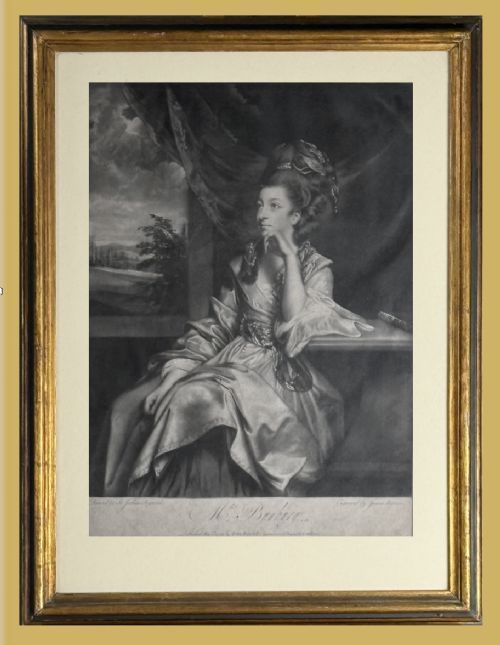
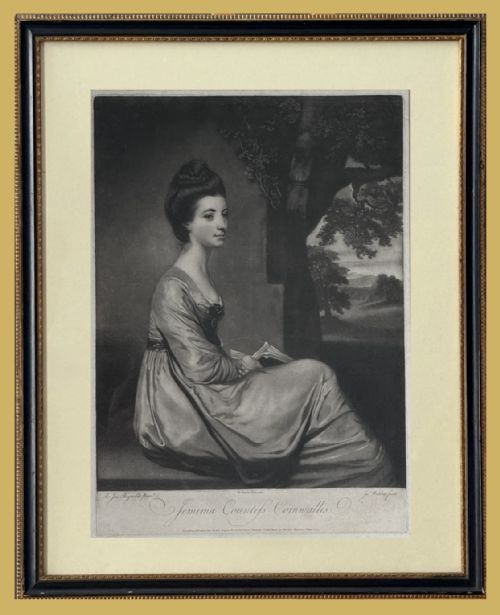
Buyers are most likely to encounter eighteenth-century mezzotint portraits after artists like Sir Joshua Reynolds, alongside nineteenth-century oil on canvas works and framed prints. Many pieces represent copies or interpretations of celebrated masters, including Dutch Golden Age painters and French Baroque artists.
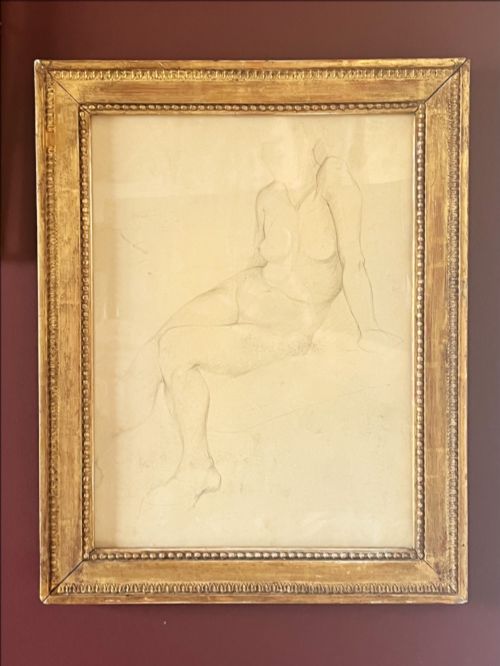
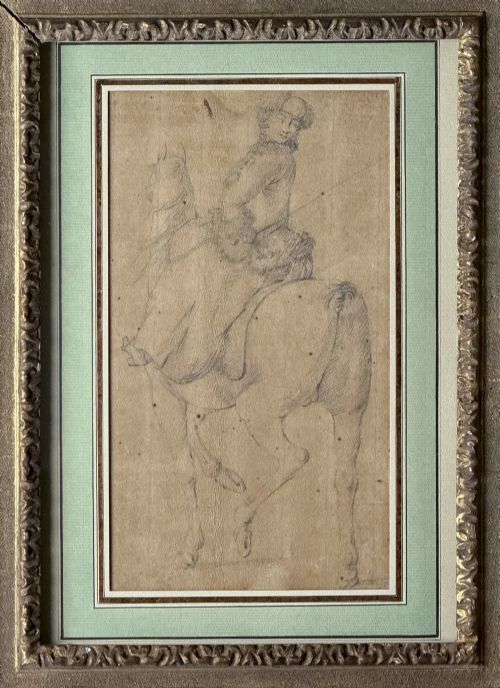
The selection also includes Grand Tour collections, cameo intaglios, and mixed media studies preserved within period enclosures. Such variety ranges from monumental floral still lifes to intimate pencil life drawings.
How they were made
The physical objects rely on traditional fine art supports such as canvas, wood panels, paper, and glass. Pigments are applied as oil paint, watercolour, pastel, or ink to form the visual imagery.
Surrounding the artwork, the protective frames utilise wood, gold leaf, and giltwood to provide structural enclosure. Artisans constructed these mouldings using techniques appropriate to the period of manufacture, incorporating gesso finishes where specified.
Pigeons, oranges, and a newborn child share gallery space with classical deities and nobility.
What varies in quality
Quality separates through the execution of the hand, distinguishing fluid brushwork and precise engraving lines from stiffer, later reproductions. The depth of the medium on the canvas or paper surface dictates visual fidelity.
The integrity and age of the surrounding frame contribute significantly to the overall standard of the piece. Original period giltwood and gesso surrounds matched to the artwork elevate the historical coherence of the object.
Charles-Antoine Coypel·John Boydell·Pier Francesco Mola·Edward Fisher·Sir Joshua Reynolds·Leonardo Da Vinci·Jean Mariette·Georges de La Tour·Sir Peter Lely·Pieter Borsseler·Francisco Jose de Goya·Jean-Baptiste Greuze·Sir Thomas Lawrence·Benedetto Luti·William Etty·Valentine Green·Jiohan Elis Haid·James Watson·W Dickinson·Biaggio Rebecca
The Classical Framed Art Glossary
- Mezzotint
- A printmaking process of the intaglio family where the plate is roughened with a rocker to achieve tones and dark fields. This technique allows for subtle gradations of light and shade, highly favoured for eighteenth-century portraiture.
- Giltwood
- Wood that has been coated with gold leaf or gold paint for decorative effect. It forms the lustrous surface of many antique picture frames.
- Intaglio
- A gem or gemstone carved in relief, where the design is incised below the surface. Grand Tour collections frequently gathered these classical motifs.
- Neoclassical
- A Western cultural movement drawing inspiration from the art and culture of classical antiquity. It manifests in clean lines and heroic subject matter.
- Gesso
- A paint mixture consisting of a binder mixed with chalk, gypsum, or pigment. It served as a smooth base for gilding on wooden frames.
Classical Framed Art: Frequently Asked Questions
What is classical antique framed art?
It comprises historical paintings, engravings, and drawings produced across several centuries and housed in protective surrounds. The subjects often reference mythology, portraiture, and traditional scenes.
These pieces reflect the aesthetic standards of periods such as the Baroque and Neoclassical eras. Each item bridges historical technique with traditional visual storytelling.
How do I date a piece?
Dating relies on the materials of the support, the framing style, and the recorded details of the artist or engraver. Paper, canvas, and wood preparation methods evolved significantly between the seventeenth and twentieth centuries.
Examining the construction of the enclosing frame offers further chronological clues. Many items carry inscriptions or biographical dates relating to the original creator.
Where were these artworks displayed?
Historically, such works hung in domestic reception rooms, galleries, and scholarly libraries across Europe. Portraits and classical scenes signified cultural literacy and social standing.
Collectors on the Grand Tour gathered smaller prints and intaglios to document their travels. These items were subsequently framed for display in private residences.
How do I care for antique art?
Preservation requires avoiding direct sunlight and maintaining stable humidity levels to protect canvas, paper, and wood. Gentle dusting of the frame prevents particulate accumulation without disturbing the surface.
Glass fronts on prints and drawings help shield the fragile mediums from atmospheric moisture. Professional consultation ensures that any structural stabilization respects the age of the piece.