


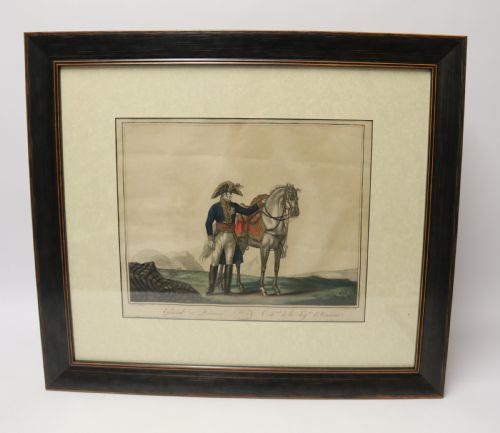


Framed Copper Engraving
These framed antique copper engraving pieces offer historical portraiture, maps and botanical studies preserved behind glass in period frames.
Framed Copper Engraving
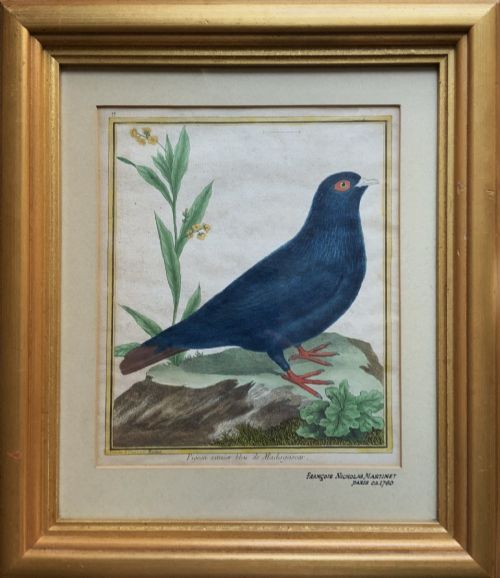
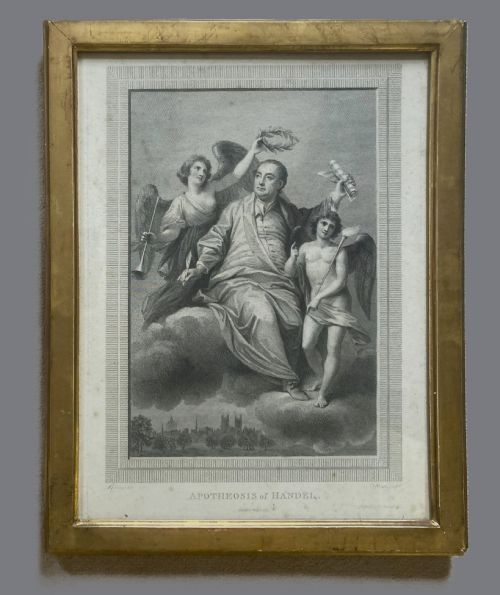
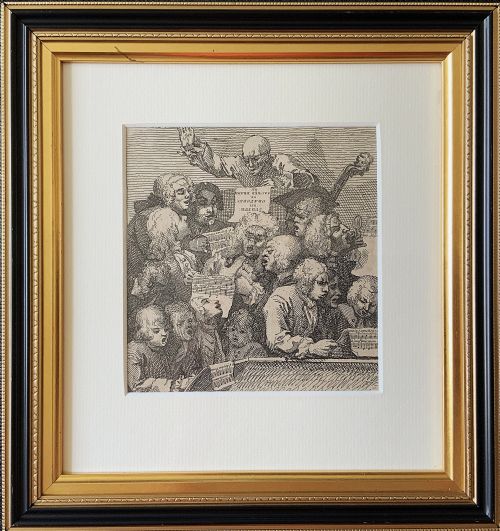
A framed antique copper engraving is a historical print pulled from an engraved metal plate and housed in a period wood frame behind glass. These works span the eighteenth and nineteenth centuries, capturing everything from botanical studies to satirical scenes.
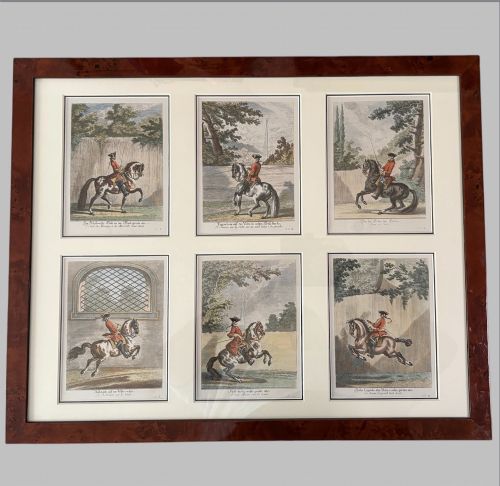
The pieces appearing on this page include Georgian maps, botanical plates and classical compositions. Buyers frequently encounter eighteenth-century hand-coloured plates alongside nineteenth-century military subjects and architectural studies.
Originating largely from British and European workshops, these works reflect the prevailing aesthetic of their respective eras, moving from neoclassical rigour to Georgian decorative arts.
Materials and Technique
Makers produced these works by incising lines into a copper plate using a sharp tool or acid, then applying ink to the surface for transfer onto paper. Many examples feature subsequent hand-colouring with watercolour applied directly over the printed ink.
Framing typically involves timber mouldings, ranging from simple sections to gilt wood and burr wood veneer. Protection is provided by original or early glass set within the wooden rebate.
Listings feature paper, glass, wood, ink, watercolour, gilt wood, burr wood veneer and gold leaf across eighteenth and nineteenth-century periods.
Judging Quality
Quality rests upon the crispness of the plate impression and the fidelity of the inked lines against the paper ground. Strong impressions reveal fine cross-hatching and clear lettering without muddy areas.
The secondary elements contribute significantly to the overall merit, particularly the presence of period framing materials such as gilt wood or burr wood veneer. Contemporary hand-colouring executed with genuine restraint elevates the visual power of the print.
François-Nicolas Martinet·James Heath·Thomas Jefferys·Herbert Dicksee·James Basire
The Framed Copper Engraving Glossary
- Copper engraving
- A printmaking technique where an artist incises an image directly into a copper plate with a burin. The resulting metal plate receives ink and transfers it under pressure to paper.
- Hand-coloured
- A print finished by hand with watercolour or wash after the initial printing process. This adds tone and specific hues to botanical or figurative subjects.
- Plate mark
- The indentation left in the paper by the edges of the copper plate under the pressure of the printing press. Its presence confirms an authentic plate-printed work.
- Stipple engraving
- A method of building up an image using dots rather than continuous lines, often employed to render soft flesh tones and painterly textures.
Framed Copper Engraving: Frequently Asked Questions
How should I clean the glass on a framed engraving?
Use a soft cloth slightly dampened with water or standard glass cleaner, applying it to the cloth rather than directly onto the frame. This prevents moisture from seeping behind the glass and damaging the antique paper.
Take care to avoid spraying near the wooden moulding or any gilt surfaces, as chemical residues can degrade historical finishes over time.
Can I hang these engravings in direct sunlight?
Sunlight poses a risk to antique paper and watercolours, causing the pigments and hand-colouring to fade permanently. Position these pieces on interior walls away from direct exposure.
If natural light fills the room, consider using specialist UV-filtering glass during any future reframing to protect the ink and paper.
How do I identify a Georgian frame from a later copy?
Georgian frames usually feature pegged corner joints, hand-planed timber mouldings and older backing boards held in place with handmade nails. Examining the construction reveals the hand-tooling characteristic of the period.
Later Victorian or twentieth-century replacements often utilise machine-cut timber, modern staples and uniform backing materials that lack eighteenth-century construction traits.
Are all copper engravings hand-coloured originally?
Many copper engravings were issued simply as black-and-white prints, while others received contemporary watercolour washes by specialist colourists. The presence of hand-colouring depends entirely on the intended publication and format.
Botanical plates and natural history subjects were frequently hand-coloured at the time of publication to provide scientific accuracy and decorative appeal.