


Georgian Equestrian Engraving
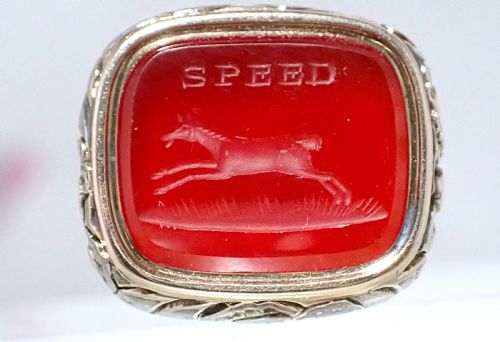
A georgian equestrian engraving captures the speed and spirit of the 18th century, offering a window into the golden age of sporting art.
Georgian Equestrian Engraving
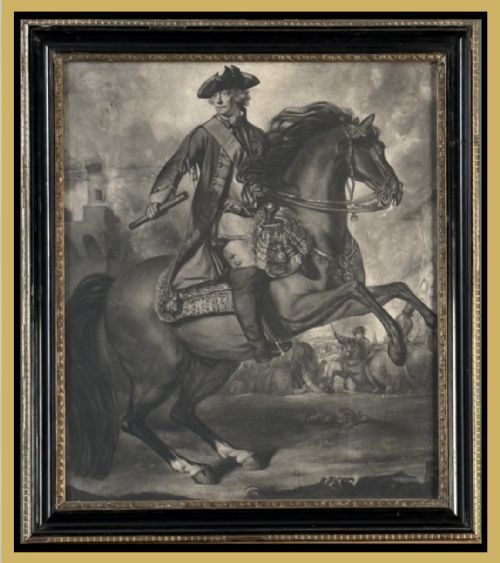
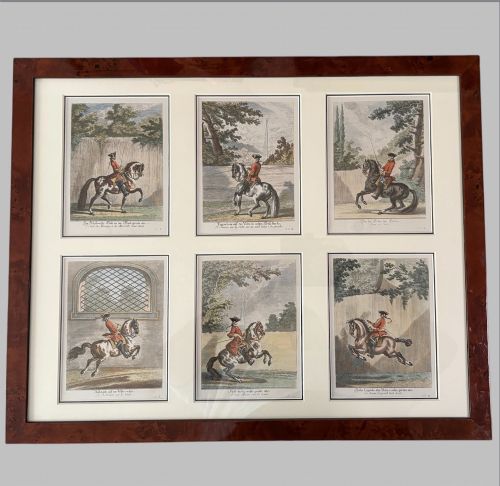
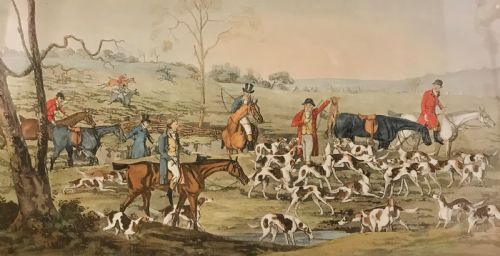
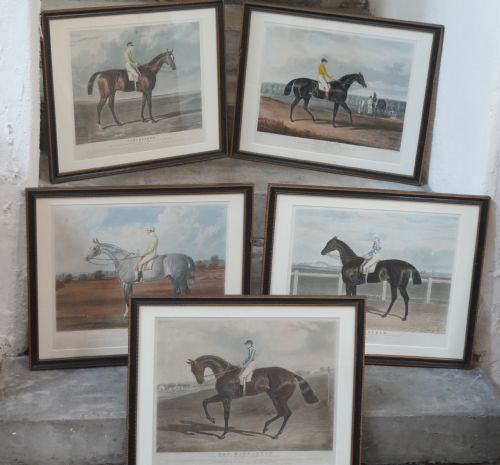
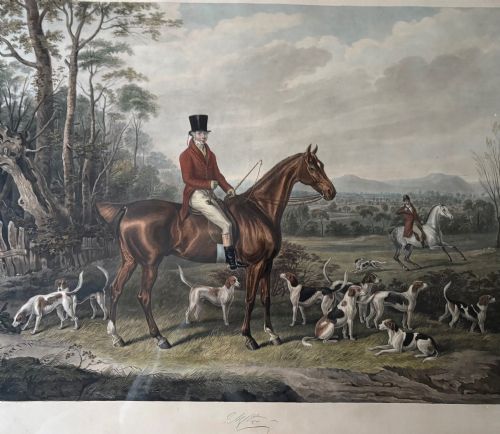
A georgian equestrian engraving brings together the printmaker's craft and the high-bred grace of the 18th century horse. These works capture spirited racers, hunting scenes, and celebrated riders from an era deeply enamoured with equestrian sport.
Most examples found on this page date from the Georgian period through to the mid-19th century, often preserved as framed wall art or bound prints. They include detailed copperplate engravings, mezzotints, and hand-coloured sheets that document the notable mounts and sporting characters of the time.
How they were made
The foundation of a georgian equestrian engraving lies in the careful carving of copper plates, worked by hand with sharp burins to hold fine lines of ink. Printers then transferred these images onto heavy handmade paper, using a heavy roller press to fix the detail.
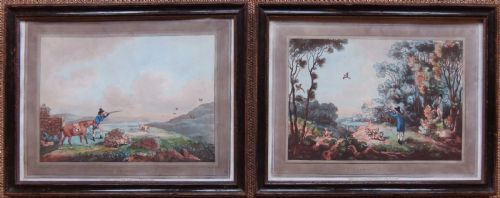
Many surviving prints owe their vibrant character to subsequent hand colouring with watercolours applied over the ink. Framed behind glass, these works were frequently mounted in simple wooden frames or burr wood veneer housings that protected the delicate paper surface.
Listings feature paper, ink, and watercolour supported by wood frames, glass, and burr wood veneer.
What varies in quality
Quality in a georgian equestrian engraving is determined by the clarity of the line work and the artistry of the original draughtsman. Master printmakers captured the anatomy and tension of the horse with anatomical precision, whereas lesser workshop productions tend toward stiff proportions and heavy, uninspired shading.
The preservation of the paper and the sharpness of the plate impression dictate the visual strength of the piece. Crisp, unblemished impressions retain a brilliance that faded, foxed, or heavily trimmed examples simply lose over time.
Edward Fisher·Sir Joshua Reynolds·Ridinger·George Morland·W Ward·Sam Howitt
The Georgian Equestrian Engraving Glossary
- Engraving
- A printmaking technique where an artist cuts lines directly into a metal plate with a burin. The resulting incisions hold ink for transfer to paper under high pressure.
- Mezzotint
- A tonal printmaking method allowing deep shades of black and subtle graduations of light. It was often employed for grand portraits and dramatic sporting scenes.
- Aquatint
- A variant of etching that produces broad areas of tone resembling watercolour washes. It was frequently utilised for reproducing sporting art and topographical views.
- Hand coloured
- The application of transparent watercolours by hand to a printed monochrome base. This process enhanced the visual appeal of natural history and sporting plates.
Georgian Equestrian Engraving: Frequently Asked Questions
How should I frame an old engraving?
Protect the paper by using acid-free mounts and framing materials that keep the print from touching the glass directly. Keep the piece away from direct sunlight to prevent the ink and any added watercolour from fading.
Traditional wooden frames or simple period-style mouldings suit the aesthetic of these prints well. Ensure the backing board is secure to keep out dust and damp air.
Are these prints hand-coloured?
Many prints from the Georgian and Regency periods received washes of watercolour by hand shortly after printing. This practice was common for sporting subjects to make the horses, riders, and landscapes more vibrant.
Close inspection under a magnifying glass reveals the brushstrokes and slight pooling of pigment characteristic of manual tinting. Not all examples are coloured, as monochrome mezzotints and engravings were equally prized.
How do I spot a later reproduction?
Examine the surface of the paper under magnification to check for the tiny dot patterns typical of modern mechanical printing. Genuine period prints show indented plate marks where the metal edge pressed into the damp paper.
Paper stock and ink characteristics also offer clear clues to age and authenticity. Modern copies often feel uniform and lack the rich tonal depth found in copperplate impressions.
What is foxing on old paper?
Foxing refers to the small brownish spots and patches that commonly appear on antique paper over time. It is caused by a chemical reaction between iron impurities in the paper and atmospheric moisture.
While light foxing is a normal sign of age in 18th and 19th-century prints, heavy spotting can obscure the fine lines of the engraving. Conservators can reduce foxing, but many collectors accept mild discolouration as proof of genuine antiquity.