




Traditional Country Sporting Print
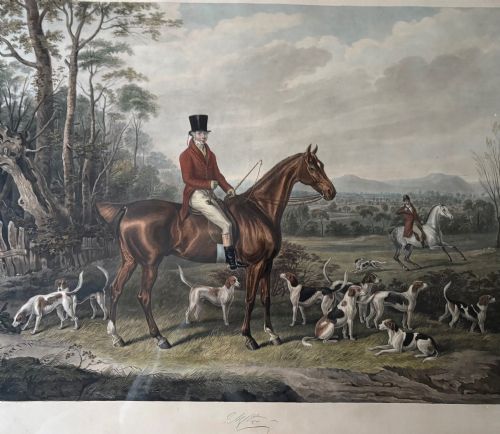
A traditional country sporting print captures the drama of the field, offering a window into equestrian pursuits, hunting meets and historical races.
Traditional Country Sporting Print
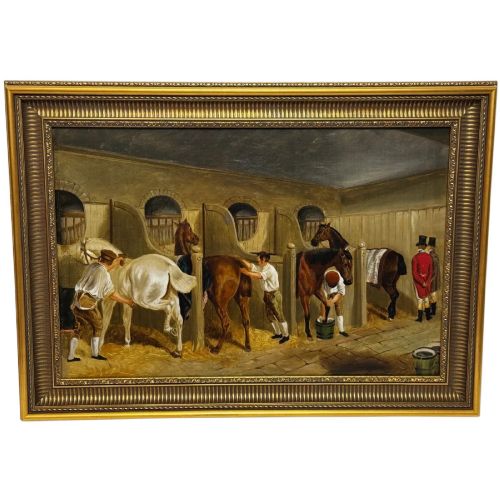
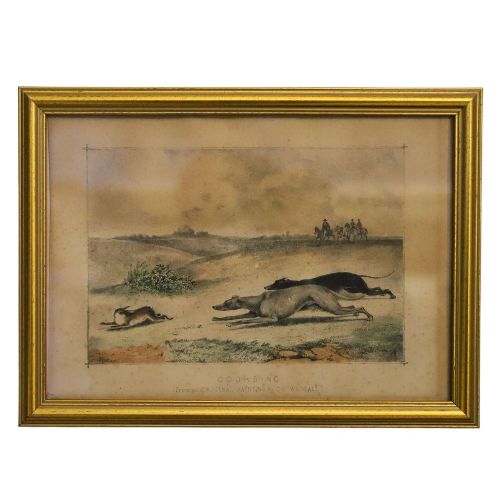
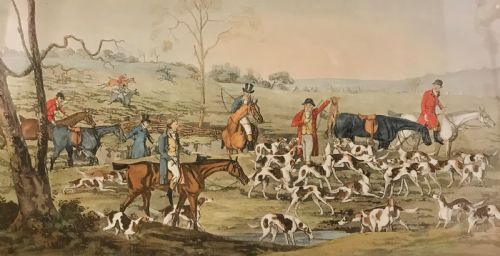
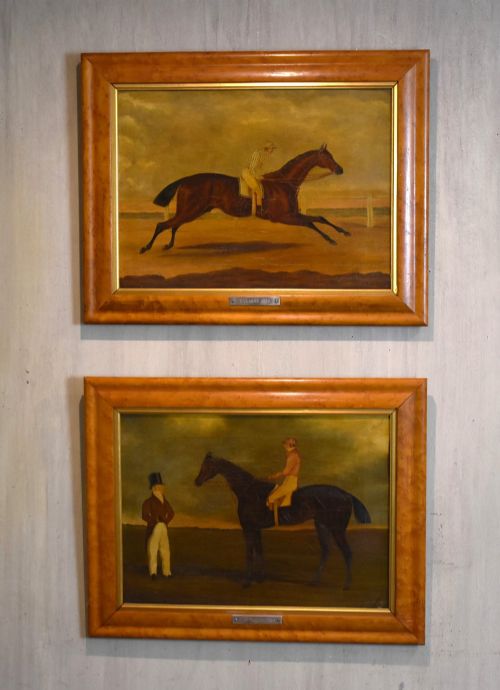
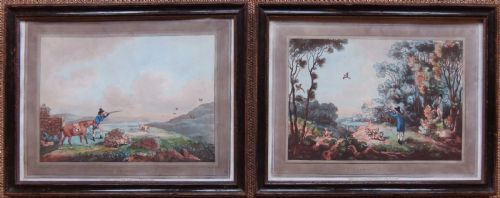
A traditional country sporting print brings the atmosphere of the British countryside indoors through depictions of fox hunting, horse racing, shooting and coursing. These works record the vibrant traditions of rural pastimes across the nineteenth century and into the early twentieth century. Buyers encounter these subjects rendered through various forms including hand-coloured engravings, lithographs, original oils and watercolours. Framed within wood and gilt surrounds, they frequently appear as matching sets or individual wall art.
The pieces on this page span the Victorian era, the Georgian period and the early twentieth century, reflecting shifting tastes in rural art. One meets lively depictions of hounds in full cry, mounted huntsmen gathering for the meet, and spirited equestrian scenes. Many examples draw upon celebrated painters and engravers, preserving the energy of historical field sports on paper and canvas.
How they were made
These works rely primarily on paper, ink and watercolour, often enhanced by hand-colouring to bring vibrancy to the traditional scenes. Engravers and lithographers pressed detailed plates to capture the complex movement of horses, hounds and riders. Artisans employed oil on canvas for richer compositions, applying pigments with expressive brushwork.
Framing forms an integral part of the construction, utilising wood and gilt wood to protect and elevate the artwork. Glass covers many of the paper prints and watercolours, safeguarding the delicate ink and pigment layers from environmental damage over the decades.
Listings span the Georgian, Victorian, and Regency periods, utilising materials such as paper, oil on canvas, and gilt wood.
What varies in quality
Quality rests in the crispness of the impression and the fidelity of the hand-colouring applied to the paper surface. Superior engravings retain sharp lines and distinct details in the figures of horses and hounds, whereas lesser pulls can appear blurred or muddy.
C. H. Weigall·John Frederick Herring Snr·Alken·Charles Faulkner·Snaffles·John Atkinson·Sam. Howitt·Francis Calcroft Turner·Frank Dadd
The Traditional Country Sporting Print Glossary
- Lithograph
- A print produced by drawing an image on limestone or a metal plate with a greasy medium. The technique allows for fluid lines and subtle tonal variations across the paper.
- Engraving
- A method where an artist cuts lines directly into a metal plate with a burin to hold ink. This process yields exceptionally sharp and durable details.
- Aquatint
- A printmaking technique that produces tonal areas resembling watercolour washes. It is frequently combined with line etching in historical sporting plates.
- Hand-coloured
- A finished black and white print enhanced with manual watercolor applications. Artisans painted these details by hand to mimic the appearance of original paintings.
- Gilt Wood
- Wood carved and coated with a thin layer of gold leaf or metallic paint. This finish frames many period artworks to provide a warm border.
Traditional Country Sporting Print: Frequently Asked Questions
What subjects do these prints show?
These works depict traditional rural pursuits such as fox hunting, horse racing, shooting and hare coursing. They capture horses, hounds and participants in active field settings.
Scenes range from organised meets and dramatic races to quiet shooting parties across the British countryside.
How should I frame and hang them?
Keep these works away from direct sunlight to protect the paper, ink and watercolour pigments from fading over time. Standard conservation framing with glass helps shield the delicate surfaces.
Many examples look best grouped together in sets, echoing the way nineteenth-century country houses displayed their sporting art.
How do I date an old sporting print?
Examine the paper quality, the printing technique, and any inscriptions noting publication dates or artist details. Georgian and Victorian examples often feature distinct plate marks and period framing styles.
Costume and tack details on the horses and riders also provide clear clues to the decade of production.
Are these works original or reproductions?
The selection includes period engravings, lithographs, and original paintings created during the eighteenth, nineteenth, and early twentieth centuries. Each listing identifies whether the piece is an original print, hand-coloured engraving, or oil painting.
Historical prints were produced using traditional press methods from the era rather than modern reproduction techniques.