


British Sporting Prints
British sporting prints capture the colour and motion of the field, offering a direct view into historical equestrian pursuits and country life.
British Sporting Prints
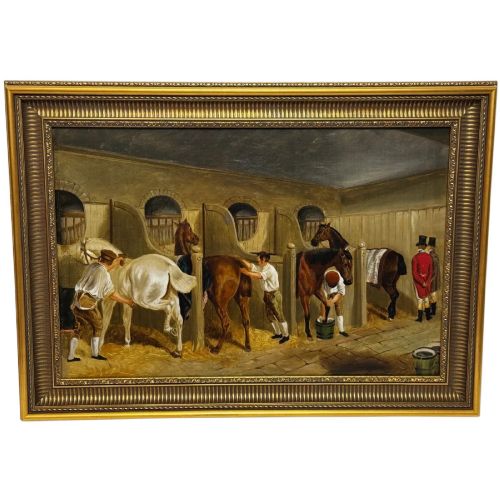
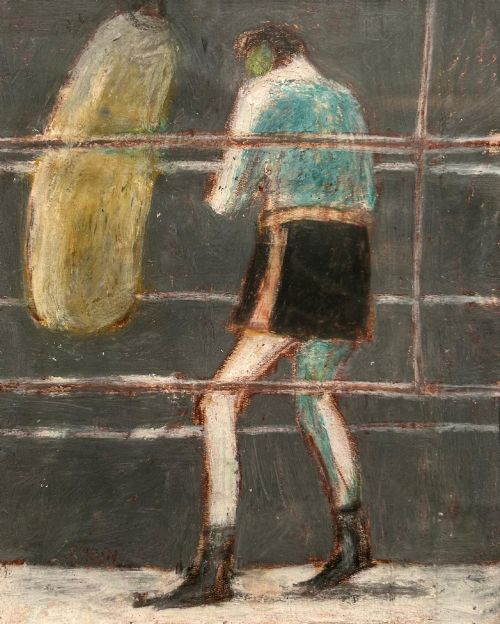
When you search for british sporting prints, you look at framed paper works, lithographs, engravings, and occasionally original watercolours and oils depicting horses, hounds, racing, and shooting. These pieces record the traditions of the British countryside and colonial life through the eyes of artists working from the nineteenth century into the mid-twentieth century.
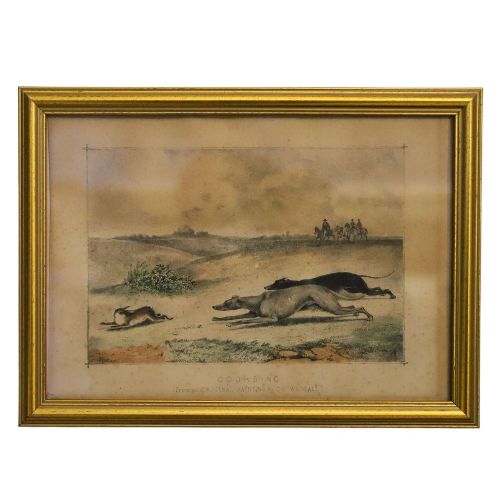
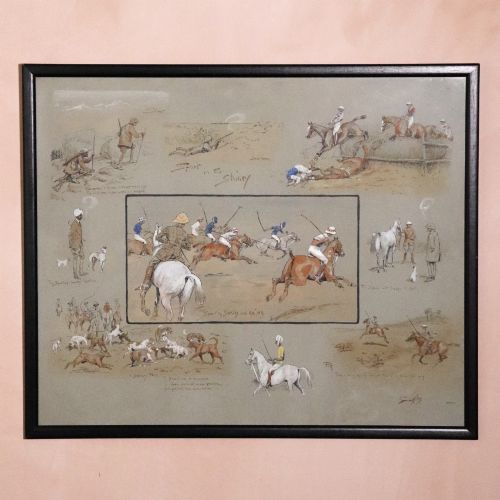
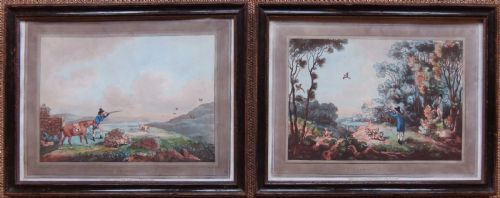
The most common examples on this page are original prints and chromolithographs by artists such as Snaffles, alongside nineteenth-century engravings and paired shooting scenes. They arrive ready to hang in frames of wood, gilt wood, or oak, often preserving the original character of the framing alongside the paper artwork.
The selection spans Victorian periods, Edwardian eras, and mid-century modern interpretations, ranging from hare coursing and point-to-point racing to rodeo scenes and game bird studies. Each format reflects the specific sporting obsession of its decade, whether that is high Leicestershire hunting or racing at Newcastle.
Materials and Technique
The works utilise paper as the primary medium for prints, engravings, and chromolithographs, frequently complemented by watercolour, gouache, or oil on canvas for original pieces. These traditional methods ensure the ink and pigment bind securely to the support over decades of display.
Framing materials include plain wood, oak, and gilt wood, which protect the fragile paper edges and margins. Glazing is typically used to shield the watercolours and prints from atmospheric dust and moisture in domestic interiors.
Listings feature works from the Victorian period through to the nineteen-sixties, incorporating paper, canvas, oak, and gilt wood.
Assessing Quality and Execution
Quality rests upon the clarity of the printed line and the retention of pigment vibrancy across the paper surface. Strong impressions show crisp detail in the horses, riders, and landscape backgrounds without blurring or fading.
The presence of artist signatures, original hand-colouring, and period framing distinguishes finer examples from standard commercial reproductions. Well-preserved margins and stable paper conditions elevate the overall standard of the piece.
Charles Johnson Payne Snaffles·John Rattenbury Skeaping·Samuel Rabin·Frank Algernon Stewart·Archibald Thorburn·Sam Howitt
The British Sporting Prints Glossary
- Chromolithograph
- A multicoloured print produced through a lithographic process where each colour uses a separate stone or plate. This technique allows for rich hues that closely mimic original paintings.
- Engraving
- An intaglio printing method where an artist cuts lines directly into a metal plate using a sharp tool. The recessed lines hold ink to transfer a precise, enduring image onto paper.
- Lithograph
- A planographic printing process based on the repulsion of oil and water on a limestone or metal surface. It captures the fluid marks of an artist's original drawing.
- Point-to-point
- An amateur steeplechase horse race held over a designated course across open country. This subject frequently appears in hunting sequences and equestrian artwork.
- Watercolour
- A paint consisting of pigment suspended in a water-based solution, applied to paper to create translucent washes of colour. It is often used for preparatory sketches or finished sporting studies.
British Sporting Prints: Frequently Asked Questions
How do I identify a genuine print?
Examine the paper surface under magnification to check for the dot patterns of modern mechanical reproduction rather than traditional ink application. Look for plate marks pressed into the paper edges of early engravings and lithographs.
Verify that the paper shows appropriate ageing, texture, and tonal variation consistent with nineteenth or twentieth-century production methods. Genuine examples often bear signature details or publisher publication lines from their era of creation.
Where should I hang these artworks?
These pieces suit studies, libraries, hallways, and drawing rooms where traditional country pursuits complement the interior style. Pair smaller framed prints in groups or hang larger oil paintings as individual focal points.
Protect the paper and watercolour mediums from direct sunlight to prevent fading and colour degradation over time. Maintain stable room temperatures to safeguard both the artwork and its period wood frame.
How are different periods distinguished?
Nineteenth-century works rely heavily on detailed engravings and hand-coloured lithographs focusing on formal field sports and hunting sequences. Twentieth-century pieces, particularly those from the Edwardian era onwards, introduce looser brushwork and distinct artistic signatures.
Framing materials and paper weights also shift across decades, with heavier oak mouldings appearing in Edwardian pieces and simpler mid-century profiles emerging by the nineteen-fifties.
Can I mix different sporting subjects together?
Combining hunting scenes, racing prints, and game bird studies creates a cohesive gallery wall by uniting them through a shared equestrian and countryside theme. Matching frame styles or wood tones helps unify diverse subjects from various decades.
Allow enough wall space between frames to let individual watercolours and engravings breathe without overcrowding the display. Balance larger oil paintings with smaller grouped prints to establish visual harmony.