



Antique Horse Riding Print
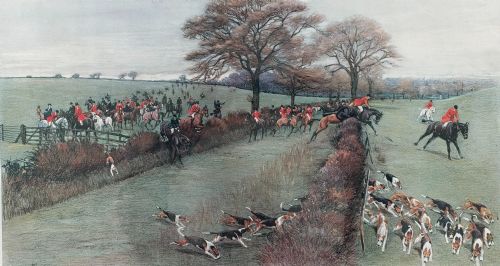
An antique horse riding print brings the traditional British sporting field straight onto the wall with character and period detail.
Antique Horse Riding Print
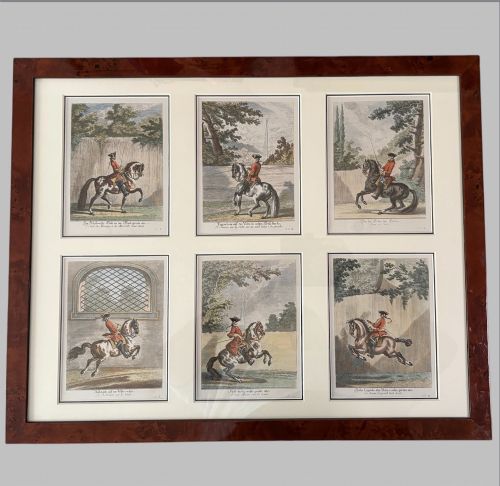
An antique horse riding print spans centuries of equestrian and sporting art, encompassing wall art, art prints, and framed engravings. The pieces range from Georgian hand-coloured copper equestrian plates to Victorian and Edwardian sporting works.
Buyers encounter framed prints and artworks depicting hunting scenes, racing subjects, and dressage. Many examples arrive in traditional surrounds such as gilt wood or burr wood veneer frames under glass.
The selections include works dated across the nineteenth and early twentieth centuries alongside individual artists and distinct series. Framed pairs and sets of four appear frequently among the wall art.
How they were made
The physical construction of these works relies upon paper surfaces marked with ink, often enhanced with hand-colouring. Engravings and printed plates capture the fine lines of horses and riders from copper plates.
Framing materials include wood, burr wood veneer, and gilt wood, protecting the paper behind glass. These frames suit the traditional British sporting aesthetic recorded across the periods.
Antique Horse Riding Print Retail Price Guide 2026
Typical asking prices for horse riding print among the pieces listed under this phrase on Sellingantiques today, from the lower quarter to the upper quarter. They describe what is for sale here now, not the wider market.
Listings span the Georgian, Victorian, and Edwardian periods, utilising paper, ink, and watercolour within wooden frames.
What varies in quality
Quality rests upon the clarity of the ink lines and the precision of any hand-colouring applied to the paper. Finer impressions show crisp detail in the equestrian subjects and lettering.
The preservation of the paper and the suitability of the framing materials, such as burr wood veneer or gilt wood, influence the overall character of the piece.
Cecil Charles Windsor Aldin RBA·Ridinger·Snaffles
The Antique Horse Riding Print Glossary
- Engraving
- A printmaking technique where an image is incised into a metal plate, usually copper, to hold ink. This method allows for fine, sharp lines suited to detailed equestrian scenes.
- Hand-coloured
- A print finished with watercolour by hand after the initial impression is struck. This adds specific tones to horse markings and riding attire.
- Gilt wood
- Wood coated with a thin layer of gold leaf or gilt paint. It frames many traditional sporting prints from the Georgian and Victorian periods.
- Burr wood veneer
- A thin slice of figured wood with a swirling grain applied to a framing surface. It provides a rich, decorative border for antique wall art.
Antique Horse Riding Print: Frequently Asked Questions
What is an antique horse riding print?
An antique horse riding print is a historic work on paper depicting equestrian subjects, racing, or hunting scenes. These pieces capture traditional sporting life from the Georgian era through the early twentieth century.
They appear in various forms, including individual framed artworks, sets of engravings, and seasonal greeting cards by notable sporting artists.
How should I hang equestrian wall art?
These framed prints suit studies, hallways, and living rooms where traditional British sporting art complements the interior. Pairing works together or hanging a set of four creates a balanced display.
Keep the paper protected from direct sunlight behind the glass to maintain the ink and any hand-applied watercolour over time.
How do I identify the period of a print?
The period is often indicated by the framing materials, paper type, and the clothing styles of the riders depicted. Georgian and Victorian works carry distinct aesthetic traits compared to Edwardian or 1930s prints.
Artist signatures, publication dates, and specific printing techniques like copperplate engraving also point towards a precise era.
Are these prints original works?
The inventory includes original printed cards, vintage engravings, and period art prints rather than modern reproductions. Each piece reflects the printing technology and artistic style of its specific decade.
Materials such as aged paper, period ink, and traditional wood frames distinguish these historical items from contemporary wall decor.