







Green Landscape Art Print
These green landscape art print pieces capture verdant scenery and rural life, offering buyers a connection to pastoral traditions through diverse period works.
Green Landscape Art Print
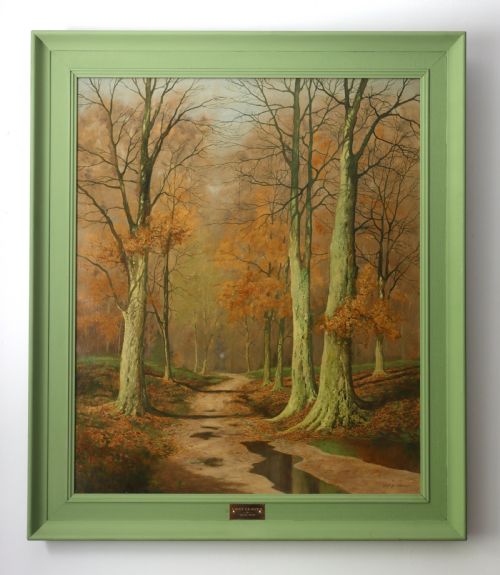
A green landscape art print encompasses works that focus on natural scenery, fields, rivers, and woodland settings rendered in various historic mediums. When exploring this selection, buyers encounter everything from early nineteenth-century decorative prints to mid-twentieth-century textured reproductions.
The assortment on this page leans heavily towards traditional British and European pastoral scenes, featuring original watercolours, oil paintings on canvas, and vintage prints. These items reflect distinct historical periods ranging from the Victorian era through to the 1960s, showing how artists captured the natural world over time.
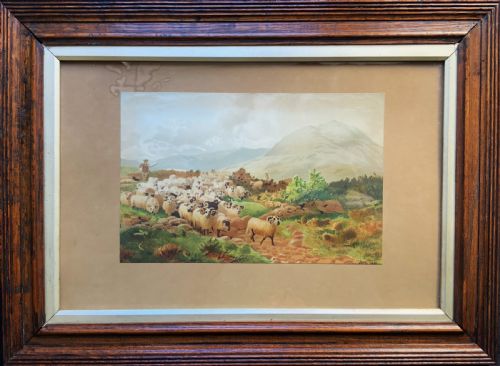
Forms vary from framed wall art and posters to delicate watercolour paintings and woodblock prints. Buyers frequently find depictions of country life, river valleys, and rural harvesting scenes dominating the available selection.
Materials and Technique
The physical construction of these pieces relies primarily on traditional supports such as paper, wood, and canvas. Artists and printers utilised ink, watercolour, and oil paint to build the verdant palettes characteristic of these rural scenes.
Framing often incorporates wood and gilt elements, protecting the underlying paper or canvas while adding structural depth. Print techniques visible in the listings include collotype, woodblock printing, and mezzotint engraving alongside direct hand-painted works.
Green Landscape Art Print Retail Price Guide 2026
Typical asking prices for green landscape art print among the pieces listed under this phrase on Sellingantiques today, from the lower quarter to the upper quarter. They describe what is for sale here now, not the wider market.
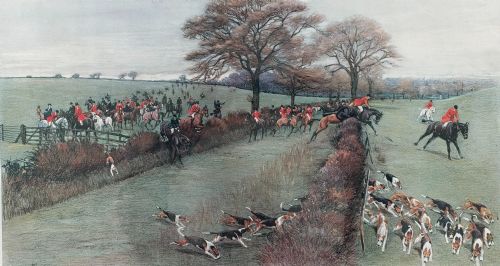
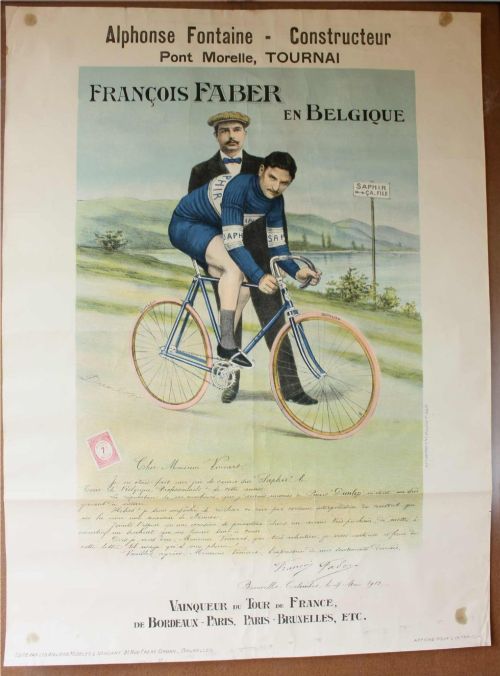
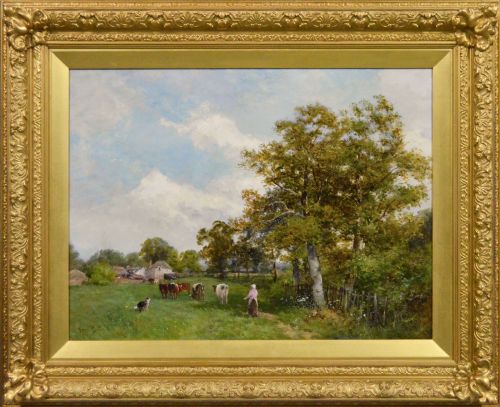
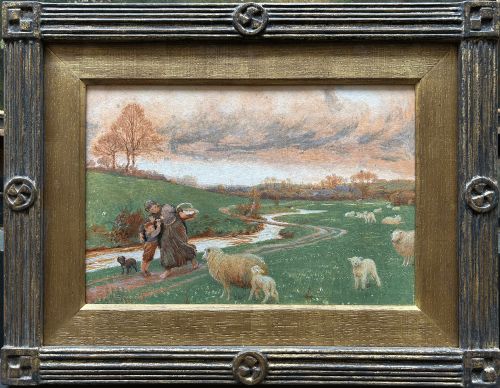
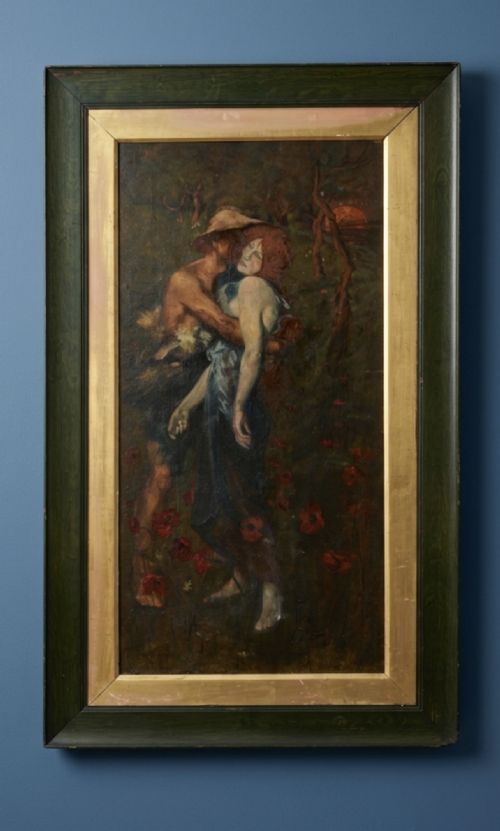
Among the peaceful pastoral scenes, a bicycle tyre advertisement and a god playing panpipes share the gallery wall.
Judging Quality
Quality in these landscape pieces rests upon the precision of the medium's application and the preservation of the support material. Works executed in oil on canvas or detailed watercolour display a depth of hand that separates unique creations from mass mechanical reproductions.
The integrity of the framing materials, such as original gilded wood, contributes to the overall standing of an artwork. Finer examples maintain crisp lines in print techniques and vibrant pigment stability across paper and canvas surfaces.
Cecil Charles Windsor Aldin·Alfred Young Nutt·David Bates·Francois Faber·Frederick Walker·Margaret Maitland Howard·Gabriel Dauchot·Kunisada·John Atkinson·Joseph Kirkpatrick·Herbert Royle·Henry Birtles·George Morland·W Ward·H. Alken·William Mellor·Lilian Stannard
The Green Landscape Art Print Glossary
- Watercolour
- A painting method in which the paints are made of pigments suspended in a water-based solution. This technique is frequently seen on paper supports in nineteenth-century pastoral works.
- Oil on Canvas
- A traditional painting medium utilising pigments mixed with a drying oil applied to a stretched cloth surface. This combination allows for rich texture and deep colour layering in landscape scenes.
- Collotype
- A planographic printing process that uses gelatin and photographic negatives to produce detailed continuous-tone prints. It appears in early twentieth-century decorative woodland depictions.
- Mezzotint
- An intopliative printmaking process where the surface is roughened to achieve tones and shades. It allows for smooth gradations of light and dark in historical graphic works.
- Woodblock Print
- A technique for printing text, images or patterns used widely in traditional Asian and Western printmaking. Impressions are taken from carved wooden blocks.
Green Landscape Art Print: Frequently Asked Questions
What periods do these green landscape art print pieces cover?
The selection spans from nineteenth-century Victorian works up to mid-twentieth-century pieces from the 1950s and 1960s. Items reflect stylistic shifts across several decades of artistic production.
Specific dates mentioned in the records include the 1800s, Victorian era, and decades through the twentieth century.
How are these landscape artworks typically framed?
Many examples arrive in traditional wooden frames, sometimes enhanced with gilt or gilded wood finishes. These housings serve to protect the paper or canvas supports.
Framing styles complement the historic nature of the prints, watercolours, and oil paintings contained within them.
What subjects appear most often in these prints and paintings?
Common subjects include pastoral countryside scenes, river valleys, farming activities, and woodland settings. Animals and figures engaged in rural labour also frequently populate the compositions.
Artworks range from quiet lake views to dynamic sporting and racing events.
Are these pieces original paintings or reproductions?
The inventory includes a mix of unique original oil paintings, original watercolours, and period art prints or posters. Each listing specifies the exact medium utilised by the maker.
Collectors can find both hand-painted works and historic printed reproductions of notable compositions.