




Edwardian Sporting Art
Edwardian sporting art brings together horses, hounds, and countryside pursuits on canvas, paper, and wood.
Edwardian Sporting Art
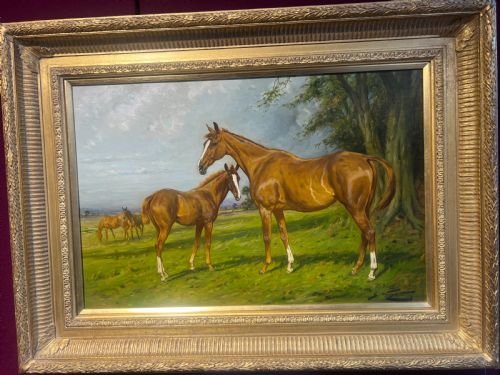
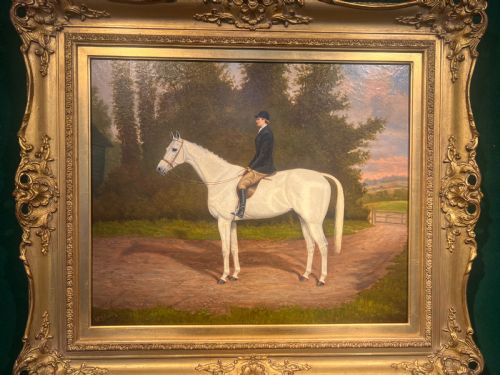
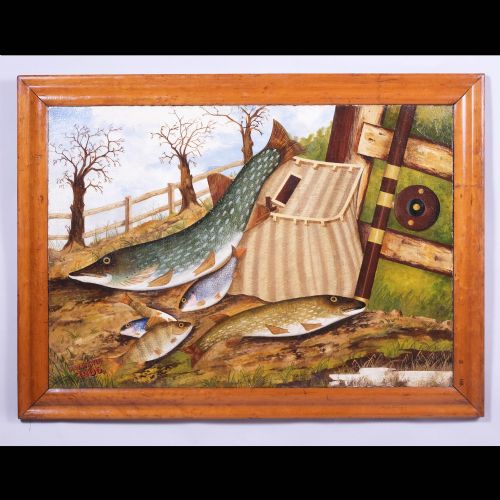
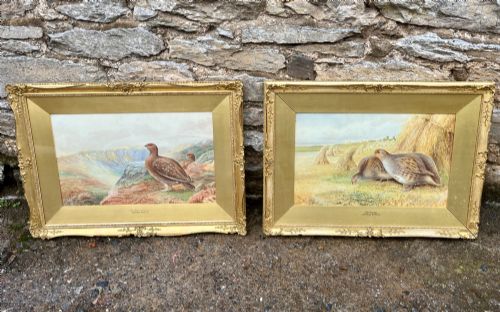
Edwardian sporting art captures the energy of nineteenth and early twentieth century rural pursuits, focusing on horses, dogs, and field sports. Buyers seek these pieces to connect with the heritage of equestrian and hunting traditions through period depictions.
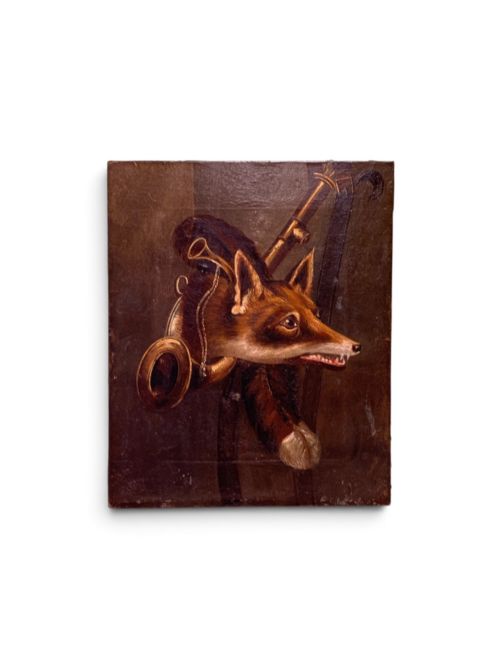
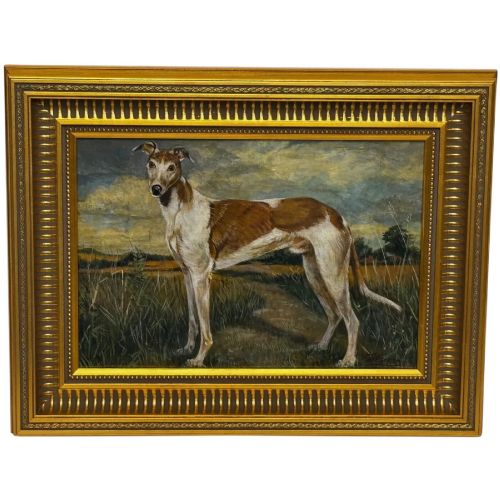
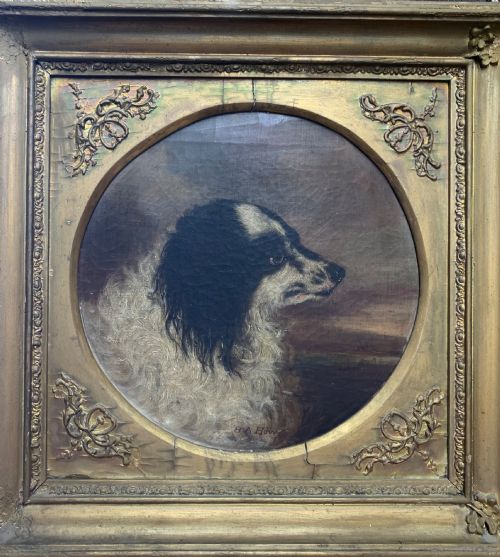
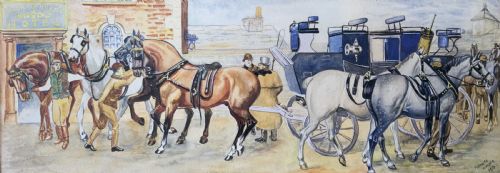
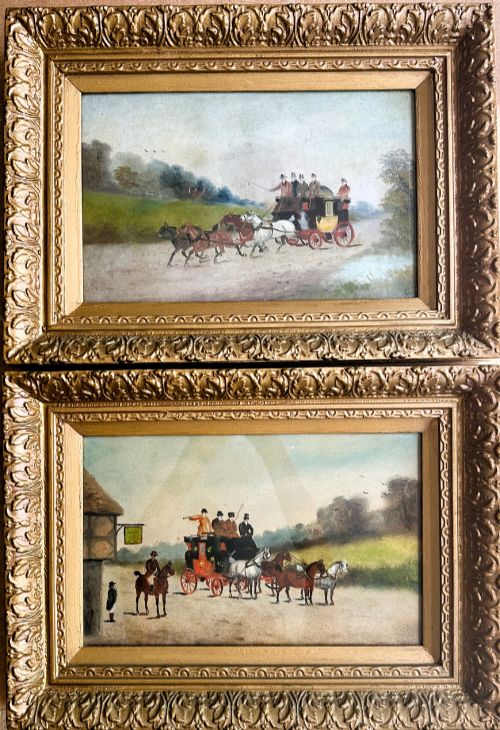
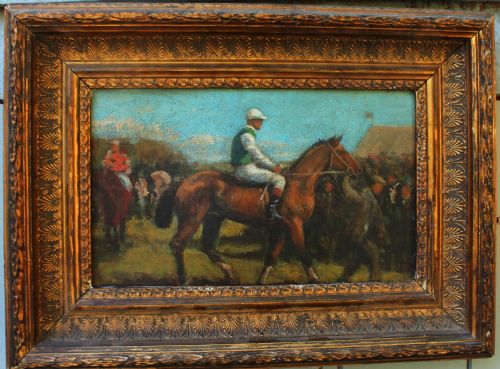
The works on this page lean heavily towards oil paintings and watercolours, alongside framed prints and painted wooden objects such as decoy pigeons. Canvases and paper works often portray specific breeds of dogs, racehorses, and coaching scenes set in open landscapes.
While many pieces date from the Edwardian era itself, the selection also stretches back into Victorian times and forward through the 1920s and 1930s. This mix reflects a continuous tradition of British sporting art that evolved through changing tastes in framing and medium.
Materials and Techniques
Painters relied on oil on canvas or delicate watercolours on paper, often framing their finished works in timber such as oak, walnut, or giltwood. These traditional materials allowed artists to capture fine details in animal coats and atmospheric countryside backgrounds.
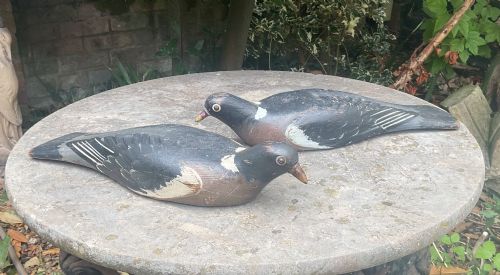
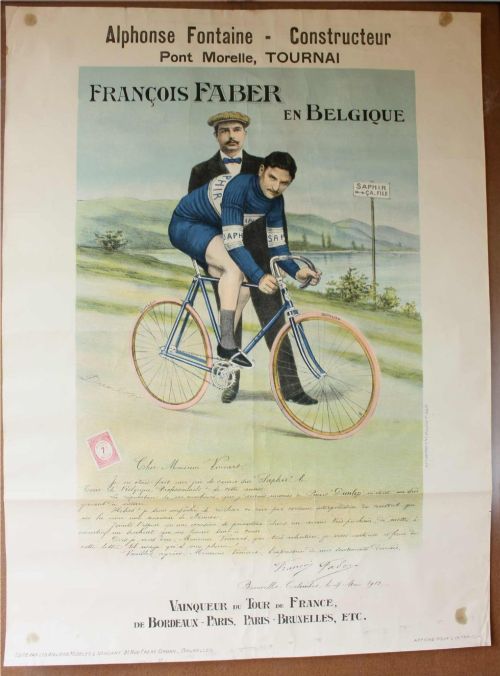
Decoy pigeons demonstrate a different craft, utilising painted wood to create functional objects that double as folk art pieces. Printmakers also contributed original prints and chalk drawings on paper, using graphic techniques to share sporting subjects more widely.
Pigeons take flight across the centuries here, appearing as both racing champions in oil and carved wooden decoys.
Distinctions in Quality
Quality rests upon the artist's ability to render the anatomy and movement of horses and hounds accurately within a landscape. Superior works show a confident handling of light and texture in the animal's coat, whereas lesser pieces can feel stiff or flat.
The strength of provenance and the clarity of an attribution or signature often elevate a piece. Works tied directly to recognised names command greater interest than anonymous school paintings from the same decades.
George Wright·William Albert Clarke·George Rankin·Philip Rideout·John Emms·Alfred Munnings·Cecil Charles Windsor Aldin·John Sanderson Wells·Valentine Thomas Garland·John Trivett Nettleship·Alfred Wheeler·Alfred Grenfell Haigh·Harry Davis·Alfred Duke·Thomas Ivester Lloyd·Charles Johnson Payne Snaffles·Isaac Cullin
The Edwardian Sporting Art Glossary
- Oil on canvas
- A painting medium where pigments are suspended in drying oils and applied to a stretched fabric surface. This technique allows for rich colour blending and textured brushwork.
- Watercolour
- A paint consisting of water-soluble pigments applied to paper. It produces transparent washes that capture light and atmospheric effects.
- Decoy
- A carved and painted wooden object shaped like a bird or animal to attract wildlife. In a domestic setting, these function as decorative folk art.
- Giltwood
- Wood that has been treated with a thin layer of gold leaf or gilt. It is commonly found on traditional antique picture frames.
- Provenance
- The documented history of ownership for a piece of art. Clear records help establish authenticity and past exhibitions.
Edwardian Sporting Art: Frequently Asked Questions
What subjects appear in Edwardian sporting art?
These works primarily feature horses, hunting dogs, racing pigeons, and game birds placed within rural landscapes. Scenes often depict coaching days, horse races, and fox hunting.
The focus remains squarely on animals and the British countryside, capturing the sporting interests of the period through detailed portraiture and action scenes.
How do I care for antique watercolours?
Watercolours on paper require protection from direct sunlight to prevent the pigments from fading over time. Keeping them away from excessive moisture preserves both the paper and the original frame.
Displaying these pieces in stable indoor conditions ensures the paper support remains intact without warping or developing foxing spots.
Are these pieces from the Edwardian period?
While the core selection aligns with the Edwardian era, the listings also include Victorian works and pieces from the 1920s and 1930s. Sporting art traditions bridged multiple decades with consistent themes.
Artists working across these periods often used similar techniques, making stylistic comparisons helpful alongside dated signatures.
How are wooden decoys displayed?
Painted wooden decoys are typically placed on shelves, sideboards, or mantels as decorative objects. Their carved forms and weathered paint bring texture to an interior.
Collectors often group pairs of decoys together to highlight their original utilitarian purpose as working items in the field.