


Antique Sporting Art Print
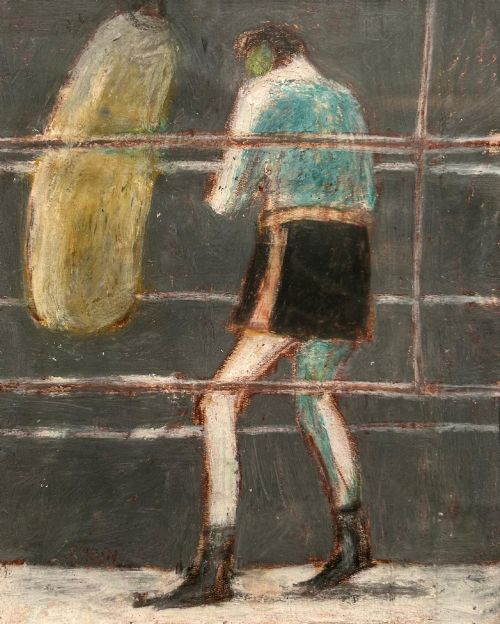
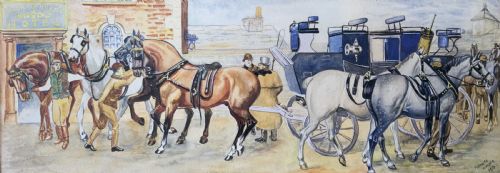
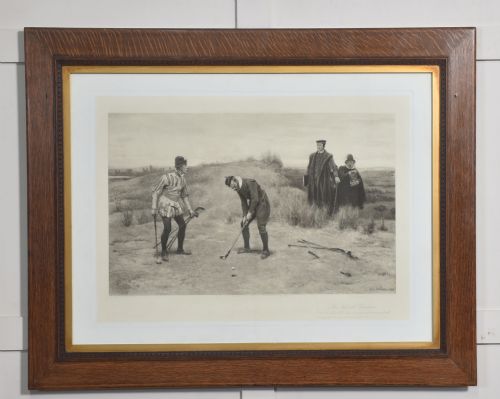
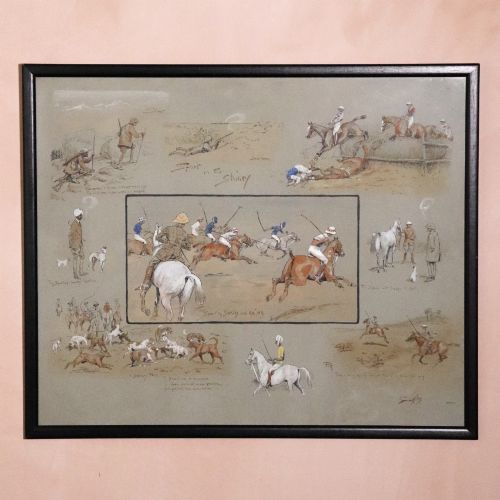
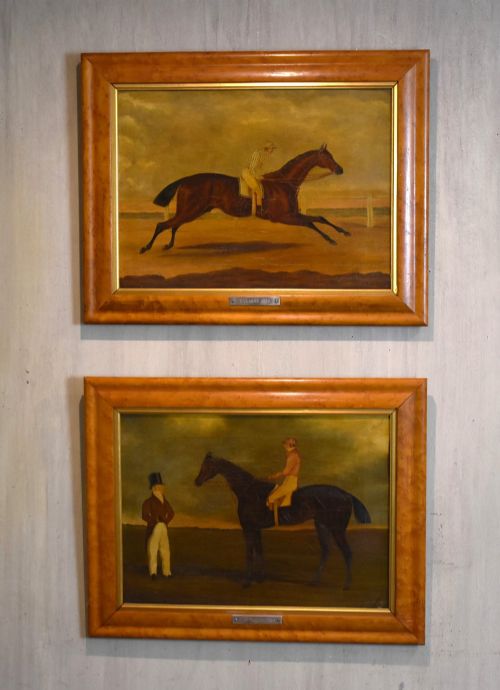
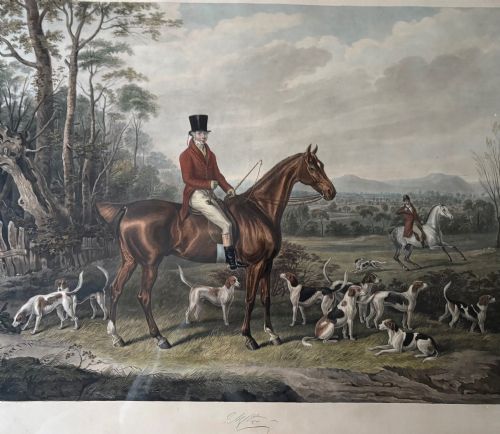
These antique sporting art print selections capture field sports, racing scenes and equestrian pursuits rendered across paper and canvas.
Antique Sporting Art Print
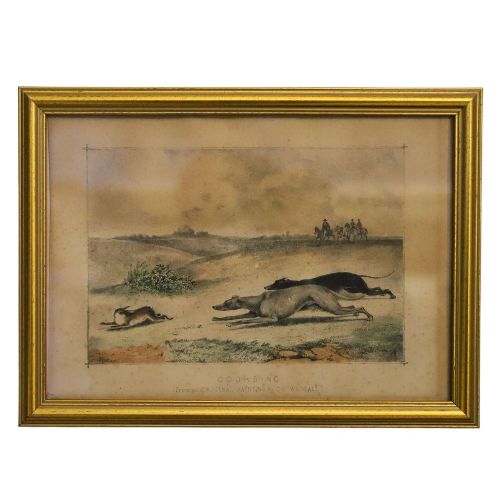
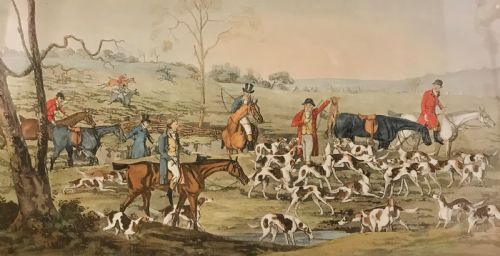
When you search for an antique sporting art print, you encounter framed engravings, lithographs, and watercolours celebrating traditional pursuits like horse racing, hunting, and coursing. The selection spans the nineteenth century through the early twentieth century, reflecting the era's deep fascination with equine and field sports.
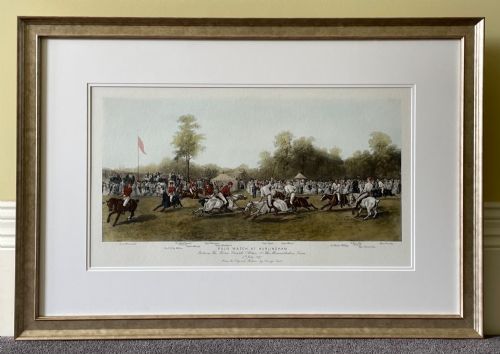
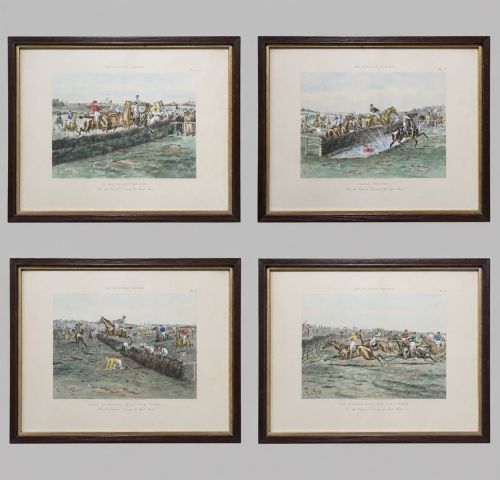
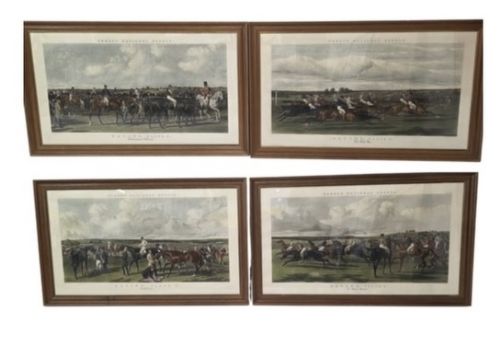
Most examples present hand-coloured plates or original graphic works published by prominent sporting artists. You will frequently find matching sets of four depicting stages of a race or hunt, mounted behind glass in period timber frames.
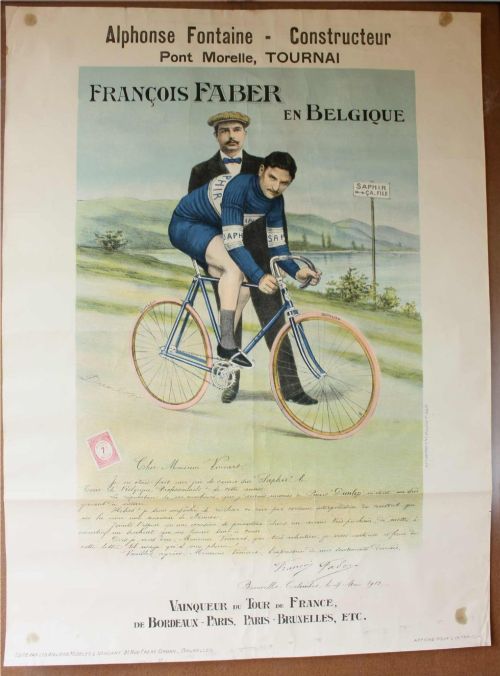
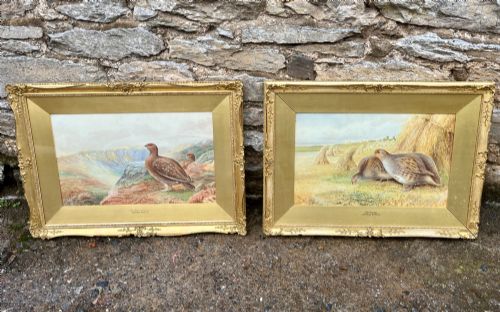
Subject matter concentrates heavily on horses, hounds, and game birds, alongside cycling and football posters from later decades. These pieces served as decoration for country houses and gentlemen's clubs, preserving the action of the field onto paper.
Materials and technique
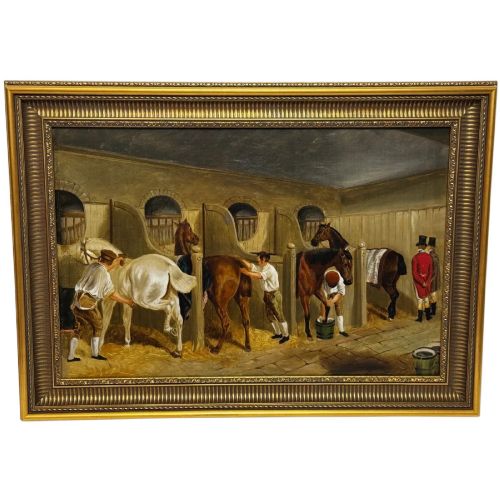
The physical objects rely principally on paper substrates marked by copperplate engraving, lithography, or aquatint, often finished with hand-applied watercolour washes. Many are housed in timber mouldings such as oak or giltwood frames, protected by early glass panels.
Makers utilised iron gall and carbon inks alongside oil pigments on canvas for companion painted works. The printing plates required skilled draughtsmanship to capture the anatomical detail of horses and the dynamic postures of hounds in motion.
Several prints document early bicycle tyres and nineteenth-century bear combats, proving Victorians took their entertainment rather seriously.
Distinctions in standard
Quality rests upon the crispness of the original plate impression and the subtlety of any hand colouring applied to the paper. Early strikes from copperplates retain fine lines that later impressions lose as the metal wears down.
The condition of the paper surface and the presence of the original frame significantly influence the standing of a piece. Prints retaining their vibrant pigments without heavy foxing or fading represent the upper tier of surviving examples.
George Finch Mason·C. H. Weigall·George Rankin·John C. Dollman·John Frederick Herring·Abraham Cooper·Alfred Wheeler·James Dobie
The Antique Sporting Art Print Glossary
- Aquatint
- An intaglio printmaking technique that produces areas of tone resembling watercolour washes. It was frequently employed to reproduce sporting watercolours.
- Chromolithograph
- A multicoloured planographic printing method using separate stones for each hue. This technique allowed Victorian publishers to reproduce vibrant hunting and racing scenes.
- Foxing
- Brown spots and discolouration caused by chemical reactions in ageing paper. It occurs commonly in nineteenth-century prints exposed to damp conditions.
- Lithograph
- A planographic print pulled from a flat stone or metal plate treated to retain ink only in desired areas. Artists utilised this method for posters and illustrative plates.
Antique Sporting Art Print: Frequently Asked Questions
How do I care for antique paper prints?
Keep works out of direct sunlight to prevent the fading of hand-applied watercolours and printing inks.
Ensure framing materials remain acid-free to stop the spread of foxing across the paper surface.
Were these prints issued as sets?
Publishers frequently released hunting and racing subjects in matching sets of four to document sequential action.
Individual plates from these series often become separated over time, making complete sets notable.
What distinguishes an engraving from a lithograph?
Engravings press ink from carved lines into paper, creating a distinct indented plate mark around the image.
Lithographs rely on chemical grease repulsion on a flat surface, lacking the physical indentation of a plate.
How can I date a nineteenth-century sporting print?
Check the publication line printed at the base of the image, which often records the original release date.
Examine the framing style and paper characteristics to determine whether the piece is a primary impression.