

Sepia Paper Print
These sepia paper print works bring monochrome depth and tactile historical character to a wall.
What a sepia paper print is
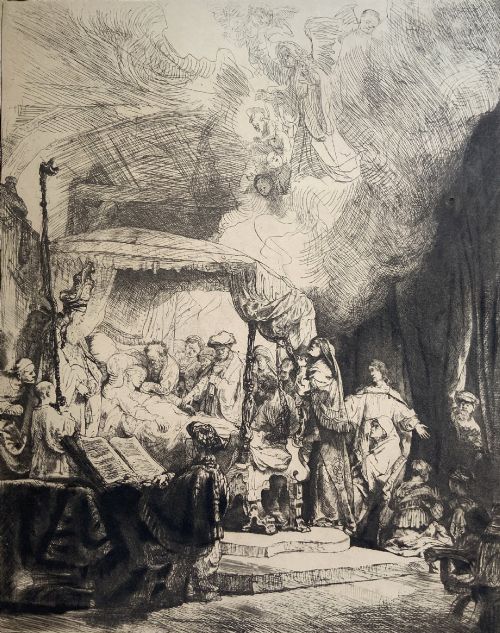
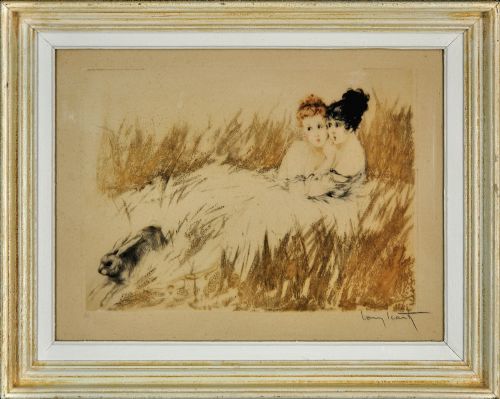
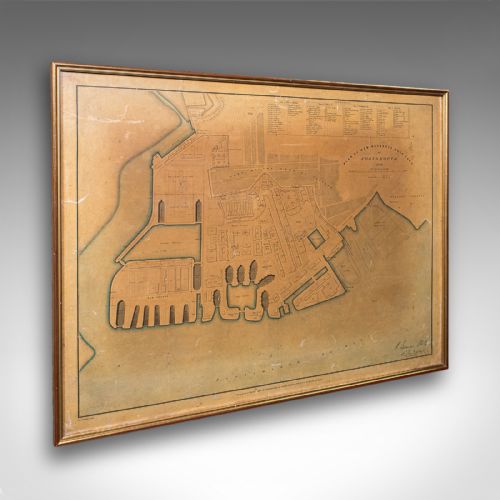
When you search for a sepia paper print, you are looking at monochromatic works on paper spanning centuries from the seventeen hundreds through to the nineteen thirties. These pieces encompass various historical printmaking techniques including early etchings and traditional engravings.
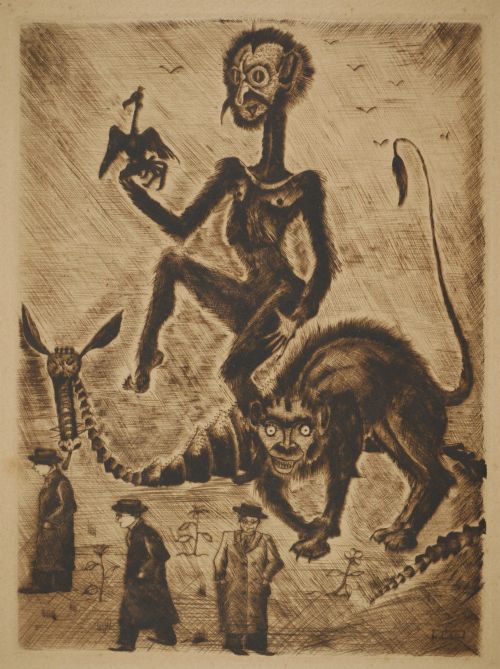
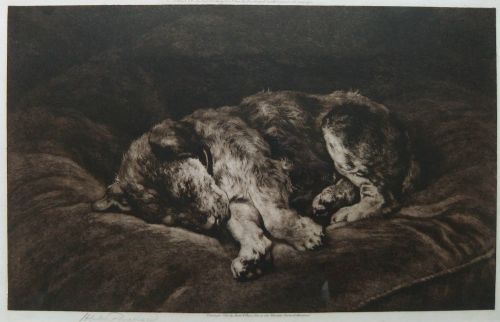
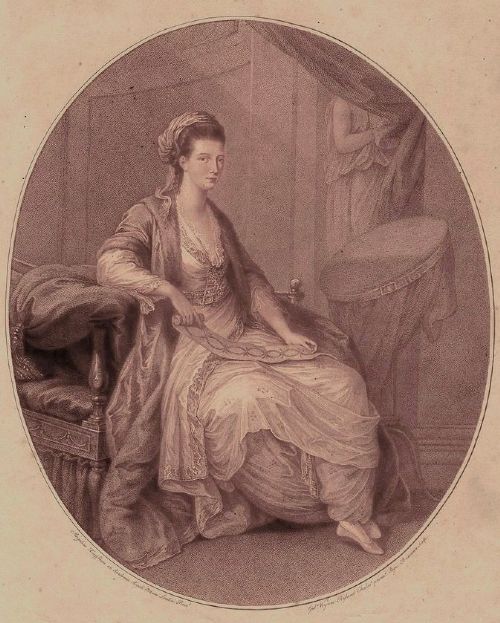
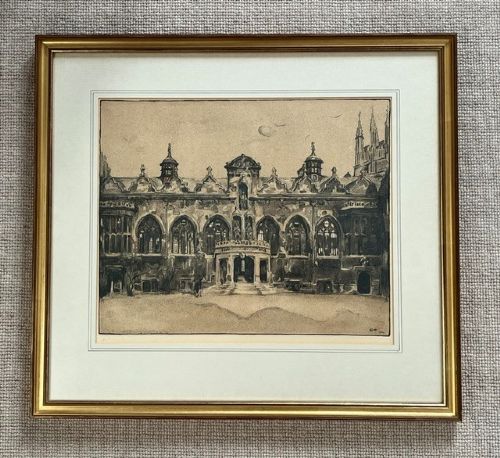
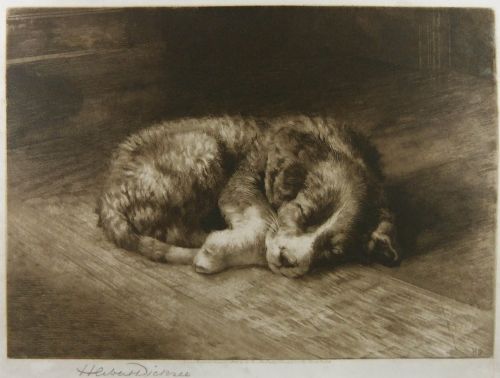
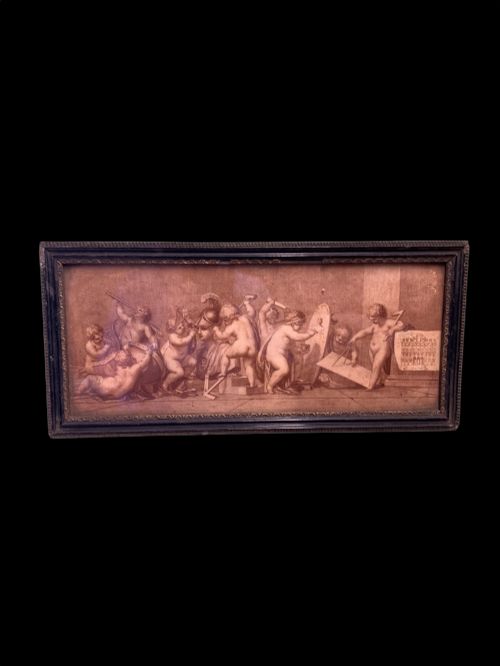
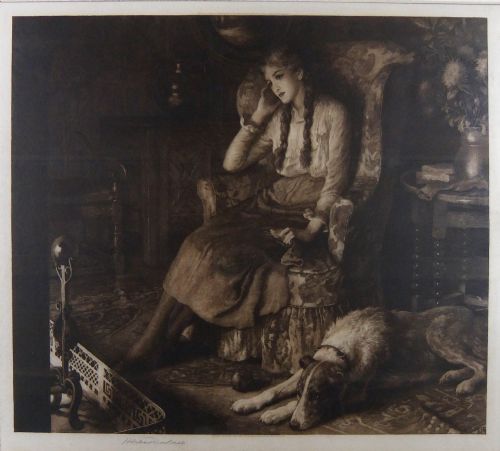
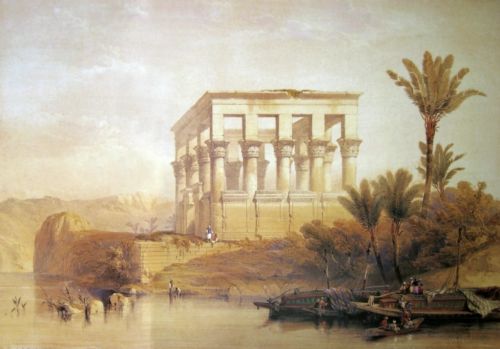
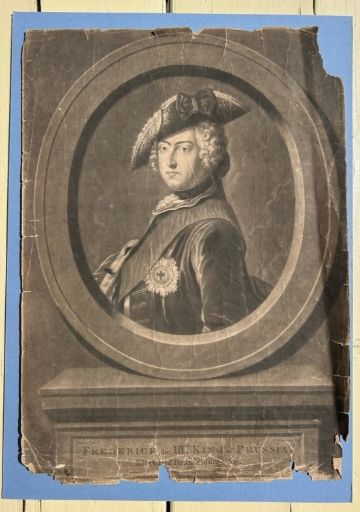
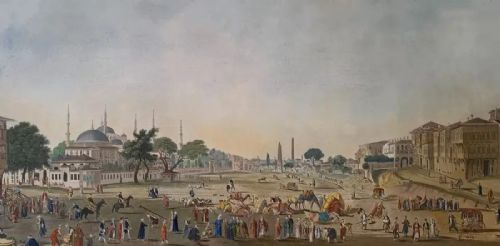
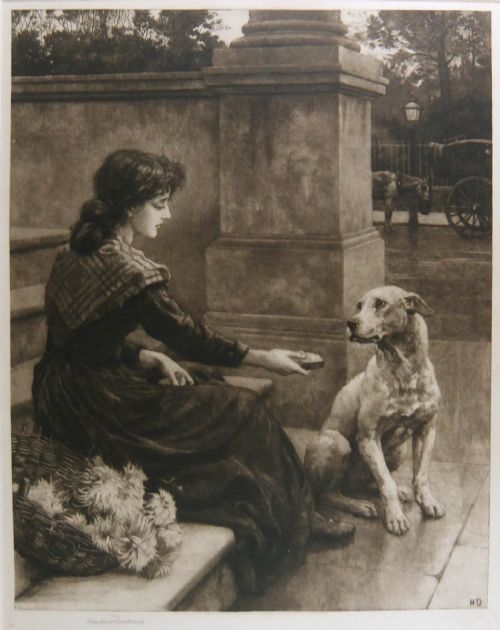
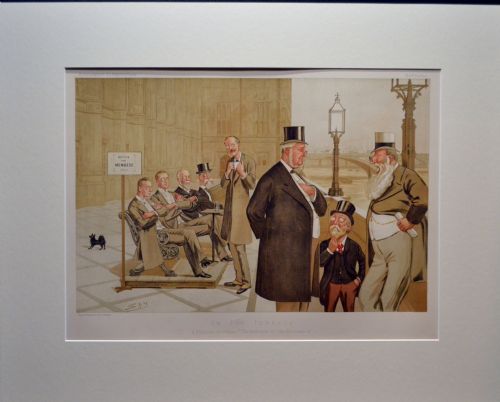
The selection on this page demonstrates remarkable stylistic breadth, ranging from Italian Renaissance and Orientalism to Edwardian canine subjects, Victorian scenes, and Surrealism. Forms on offer include wall art, prints, and specific etchings or engravings on paper.
How they were made
These works are executed on traditional paper stocks utilising dark ink and occasional watercolour additions to achieve their monochrome palette. Printmakers employed intaglio methods such as engraving and etching to bite or cut lines into plates before transferring the image to paper.
The physical media relies on the careful interaction between absorbent paper fibres and dark printing inks. This process allowed historical artists to build rich tonal gradations without relying on full colour.
Retail Price Guide 2026
Typical UK retail prices for sepia paper print, calculated from the Sellingantiques database of over a million retail prices indexed since 2003. This retail price guide relies exclusively on Sellingantiques data; no external sources or auction records are used, so the figures do not describe the wider market.
Materials documented across these artworks include traditional paper, dark ink, and occasional watercolour.
What varies in quality
Quality in these works lies in the crispness of the plate impression and the preservation of the paper surface over time. Stronger examples retain sharp ink lines and delicate tonal contrasts that communicate the draughtsman's original intent.
The distinction between standard examples and finer pieces also rests on the historical significance of the subject matter and the clarity of the print run. Well-preserved works maintain their intended contrast without excessive fading or paper degradation.
Kurt Lorein Victor Peiser·Herbert Dicksee·Anton Ignaz Melling·Andrea Mantegna
The Sepia Paper Print Glossary
- Etching
- An intaglio printmaking process where acid is applied to bite the unmasked portions of a metal plate. This technique creates the fine, fluid lines seen in early twentieth-century works.
- Engraving
- A method of cutting design lines directly into a hard plate using a sharp tool called a burin. The resulting lines hold ink deeply and produce sharp, precise printed details.
- Surrealism
- An artistic and literary movement developed in the early twentieth century that sought to release the creative potential of the unconscious mind. Pieces from this style often feature dreamlike or irrational imagery.
- Orientalism
- The imitation or depiction of aspects in Middle Eastern and Asian cultures by artists from the West. These works frequently record travels and historical architecture from regions like Constantinople.
- Watercolour
- A painting method in which the paints are made of pigments suspended in a water-based solution. It appears alongside ink on paper works to add subtle tonal washes.
Frequently Asked Questions
What is a sepia paper print?
A sepia paper print is a historical work on paper utilising monochrome ink techniques like etching and engraving. These pieces date across several centuries from the seventeenth to the twentieth.
They encompass diverse stylistic movements including the Italian Renaissance, Surrealism, and Edwardian sporting subjects.
How should I frame these works?
Paper works require archival framing to protect the delicate stock from environmental degradation. Using acid-free mounts keeps the paper surface from touching the glass directly.
Positioning them away from direct sunlight preserves the ink tones and prevents the paper from yellowing over decades.
How do I identify seventeenth-century prints?
Seventeenth-century prints typically show characteristics of early engraving techniques and heavier, handmade paper stocks. Examining the paper texture and the crispness of the plate marks helps indicate age.
Subject matter often reflects Renaissance or classical themes popular during that period.
What subjects appear in these prints?
The available subjects range widely from classical mythological battle scenes to architectural views of Constantinople. Other common themes include canine portraiture and surrealist compositions.
This variety reflects the changing artistic interests across the nineteenth and early twentieth centuries.