


Framed Paper Engraving
Framed paper engraving pieces bring historic detail and classic line work into a room.
What framed paper engraving pieces are
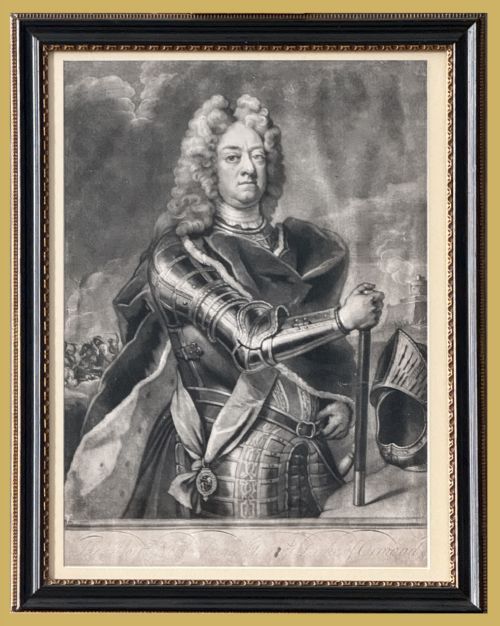
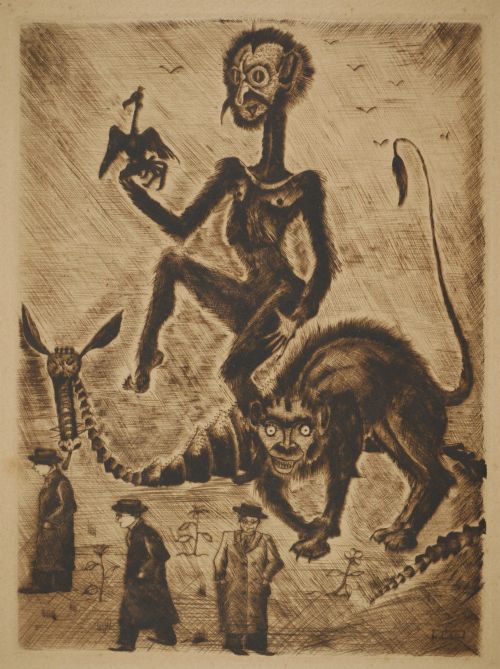
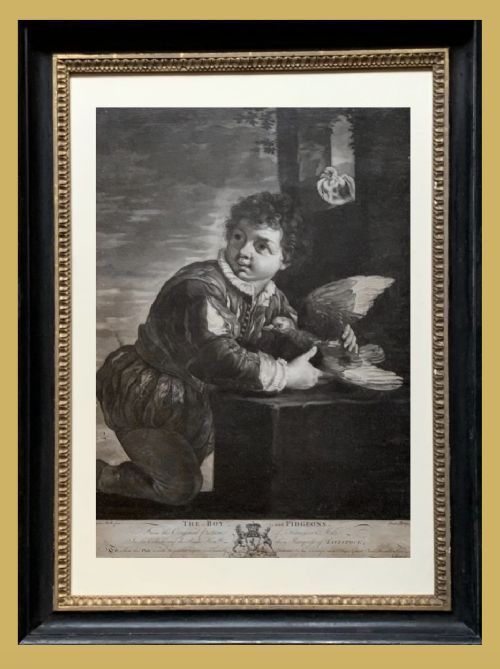
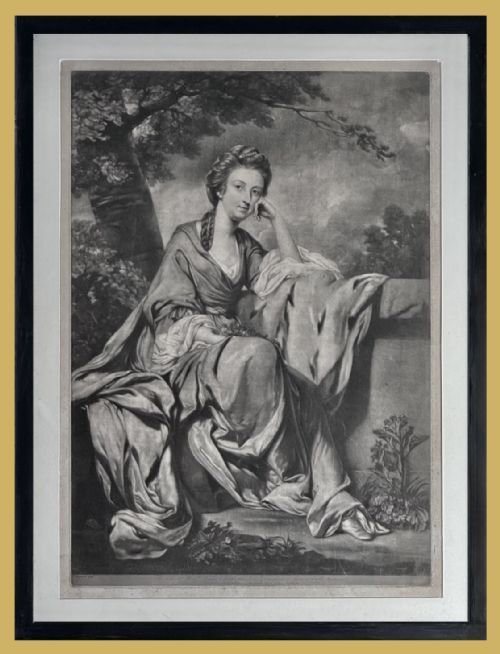
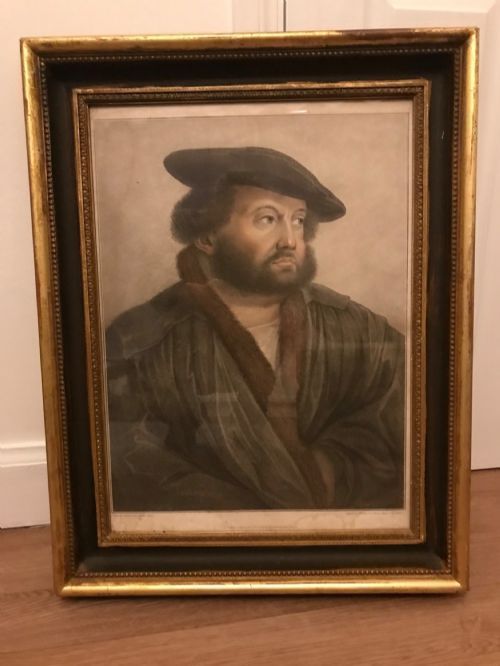
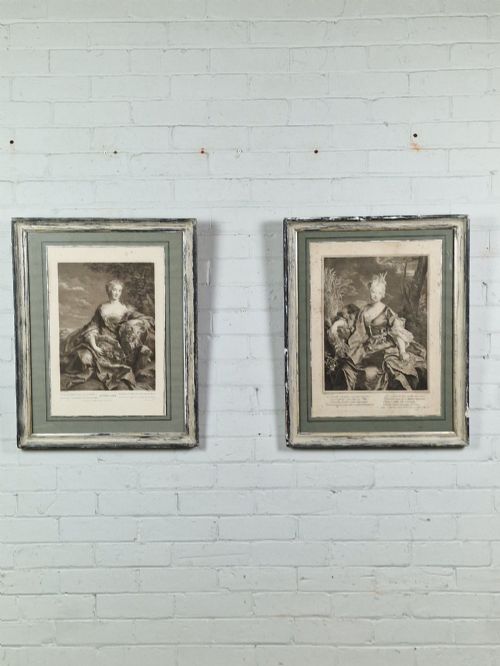
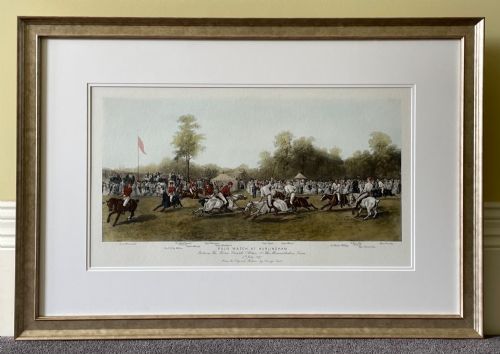
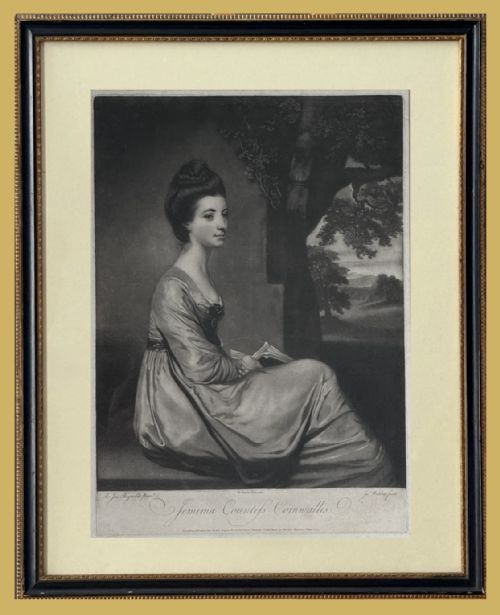
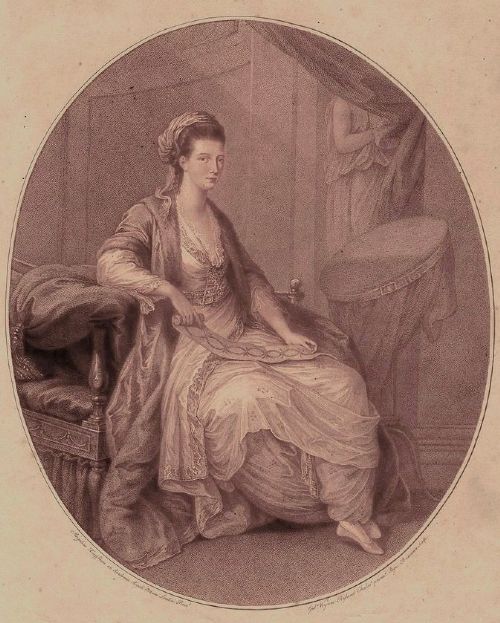
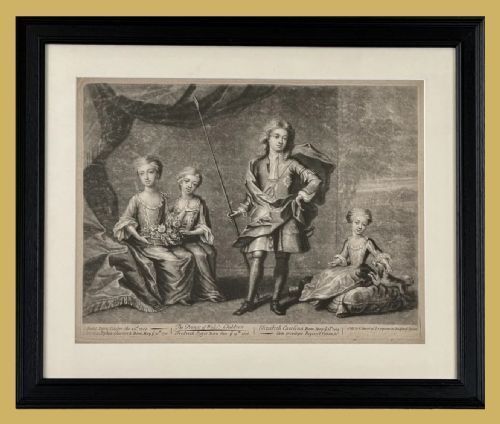
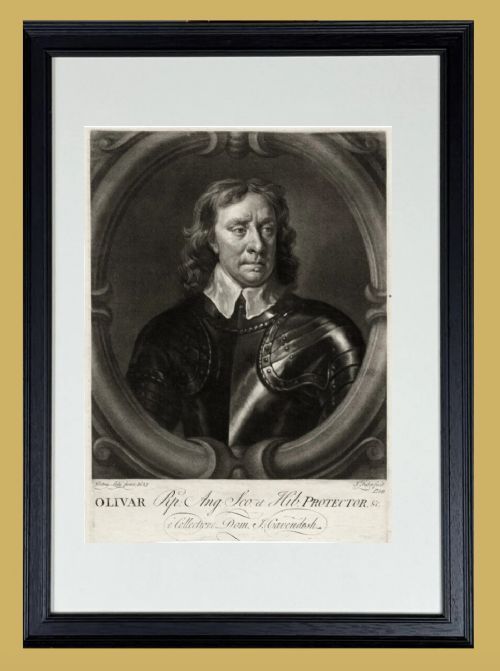
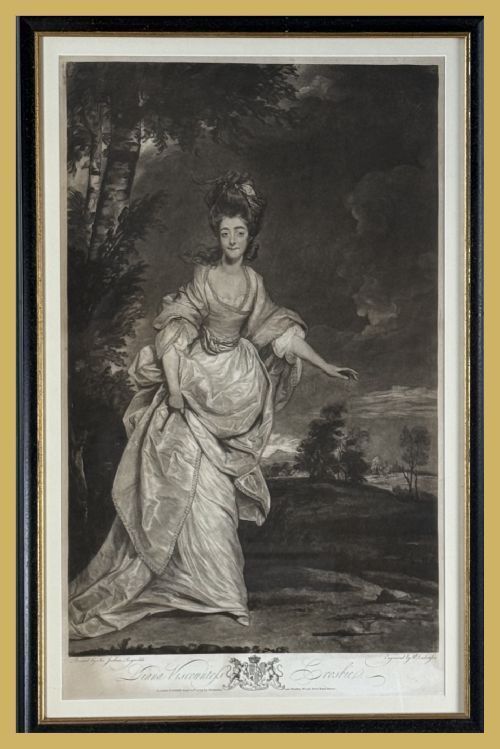
A framed paper engraving provides a window into past architectural views, maritime scenes, and sporting subjects. These works capture historical subjects through fine ink lines on paper, often preserved behind protective glass.
The examples seen on this page span the nineteenth century and the Edwardian era. Subjects range from classical Constantinople views and Thames panoramas to British sporting scenes and technical vessels.
How they were made
The primary technique relies on paper and ink to form the core image, occasionally enhanced with watercolour for added tone. Artisans plate the design onto paper using ink, producing sharp lines that hold up under close inspection.
Framing typically involves wood and glass to protect the delicate paper surface from dust and moisture. Each piece combines printmaking skill with period framing methods appropriate to its century.
Retail Price Guide 2026
Typical UK retail prices for framed paper engraving, calculated from the Sellingantiques database of over a million retail prices indexed since 2003. This retail price guide relies exclusively on Sellingantiques data; no external sources or auction records are used, so the figures do not describe the wider market.
Early fox hunters and screw gun boats share wall space here.
What varies in quality
Quality differences stem from the clarity of the ink lines and the preservation of the paper itself. Finer examples maintain crisp details without fading or heavy discoloration across the sheet.
The depth and accuracy of the subject matter, such as architectural precision in city views or anatomical correctness in sporting subjects, separate ordinary prints from finer works.
The Framed Paper Engraving Glossary
- Engraving
- A printmaking method where an artist cuts a design into a metal plate with a sharp tool. The incised lines hold the ink for transfer onto paper.
- Watercolour
- A paint medium using water-soluble pigments, often applied by hand to tint monochrome engravings. This technique adds subtle colour variations to the printed surface.
- Edwardian
- A historical period spanning the reign of King Edward VII until the First World War. Pieces from this era often reflect refined domestic and topographical tastes.
- Topographical
- A genre of art focused on the accurate depiction of specific places, buildings, or landscapes. These works serve as visual records of cities and waterways.
Frequently Asked Questions
How do I care for framed engravings?
Keep framed paper works away from direct sunlight to prevent the ink and paper from fading over time. Stable indoor humidity levels protect both the paper sheet and the wooden frame.
Dust the glass gently with a soft cloth rather than using harsh liquid cleaners near the wooden edge.
Are these pieces originals?
The listings comprise period printed works produced in the nineteenth century and the Edwardian era. Each piece represents the printing technology and artistic style of its specific decade.
Examine the paper texture and ink application under magnification to understand the period production method.
What subjects do these prints show?
Subjects include historic city views like Constantinople and London, alongside maritime vessels and sporting scenes. These themes reflect the documentary and aesthetic interests of past collectors.
Such works offer a glimpse into nineteenth-century life and technical illustration.
How are the works framed?
The pieces utilise wood frames fitted with glass to safeguard the paper beneath. This traditional pairing protects the delicate medium from physical damage.
Original framing materials contribute to the historical integrity of the piece.