



Country House Sporting Art
Country house sporting art brings the field, the stable and the kennel straight onto the drawing room wall.
Country House Sporting Art
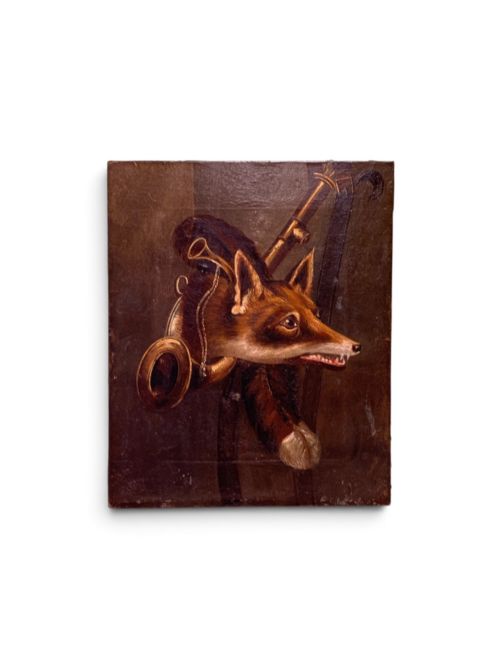
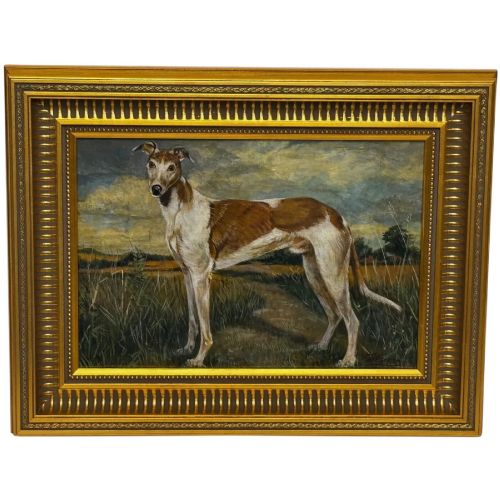
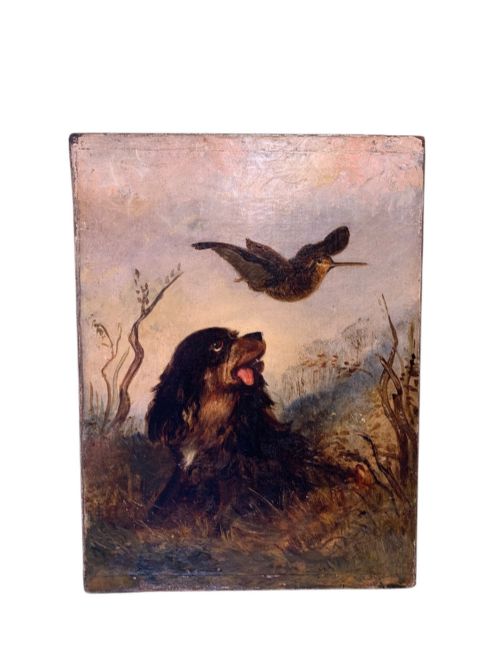
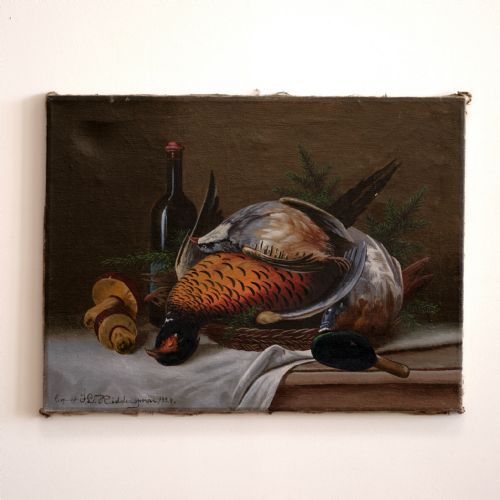
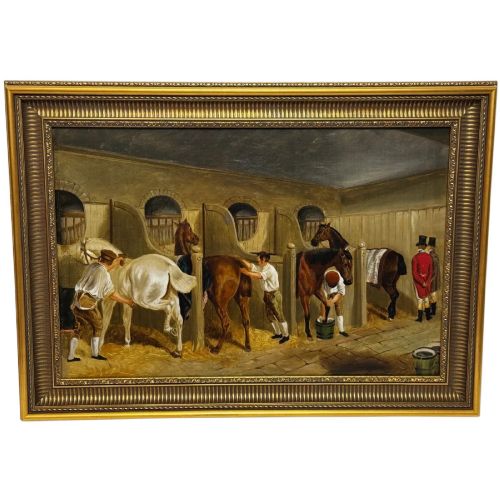
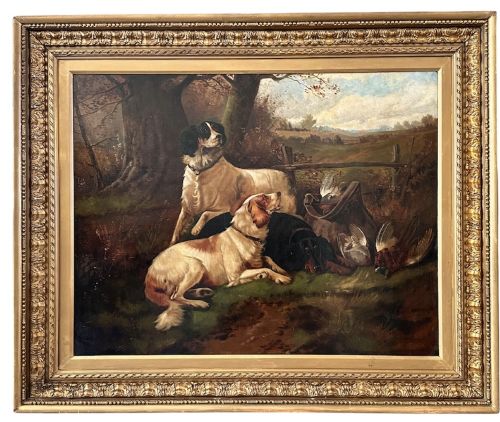
Country house sporting art captures the traditional pursuits of the British countryside through oil paintings, watercolours, engravings and framed prints. When searching for country house sporting art, a buyer encounters canine portraits, equestrian scenes, game bird studies and depictions of the hunt.
The pieces on this page span from the Georgian period through the Victorian era and into the mid twentieth century. Oil on canvas and oil on board dominate the selection, accompanied by period watercolours and hand-coloured prints housed in giltwood frames.
Materials and Technique
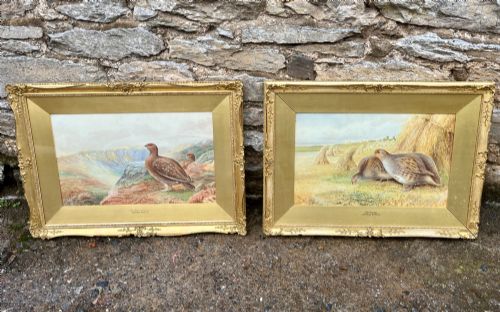
Artists painted primarily with oil paint on canvas or board, building up rich textures to render the coats of hounds, horses and game. Watercolours on paper appear in paired sets, while lithographs and engravings utilise ink on paper with subsequent hand-colouring.
Frames play a structural and aesthetic role, constructed from wood and finished with giltwood or painted surfaces to complement the domestic interiors for which these artworks were originally commissioned.
Factors of Quality
Anatomy and movement dictate the distinction between standard and superior works, particularly in the rendering of horses, hounds and wildlife. The hand of a named painter with established provenance elevates the canvas above anonymous school works.
The preservation of the original pigment, the tightness of the canvas weave and the integrity of the period gilt wood frame contribute significantly to the overall standing of the piece.
John Sargent Noble·George Rankin·John Frederick Herring Snr·Benjamin Blake·John Arthur Lomax·Samuel Raven·Philip Henry Rideout·George E Sharpe·Colin Graeme Roe·Valentine Thomas Garland·Samuel Spode·Clifton Tomson·Alfred Duke·John Atkinson
The Country House Sporting Art Glossary
- Oil on Canvas
- Pigments bound in a drying oil medium applied to a stretched woven fabric support. This surface allows for deep blending and textural buildup.
- Giltwood
- Wood carved and coated with a thin layer of gold leaf or metallic gilt powder. It provides a reflective and ornate border for traditional paintings.
- Lithograph
- A print made from a design drawn on limestone or a metal plate with a greasy crayon. It permits multiple impressions of detailed sporting scenes.
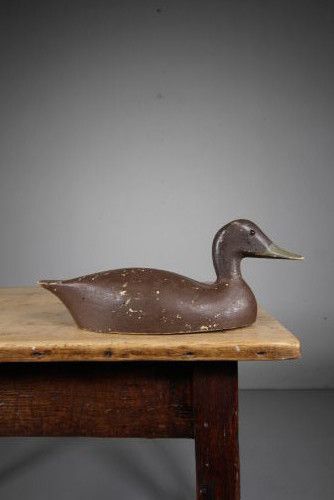
- Decoy
- A carved wooden object shaped to resemble a bird or animal used in field sports. These items combine utilitarian craft with decorative appeal.
- Provenance
- The documented history of ownership of an artwork. It establishes authenticity and connects the piece to its historical country house origin.
Country House Sporting Art: Frequently Asked Questions
What subjects feature in these works?
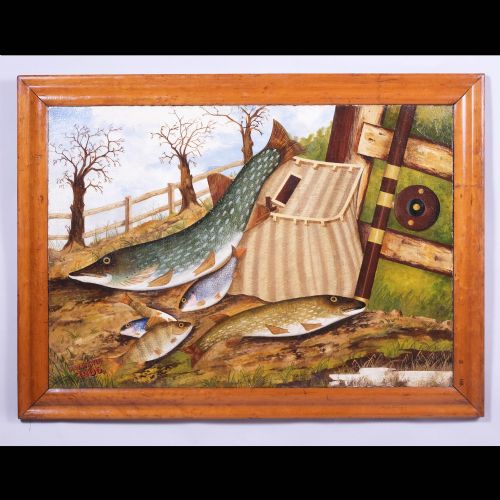
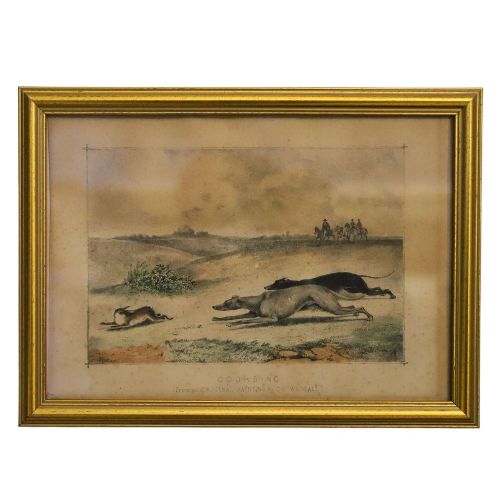
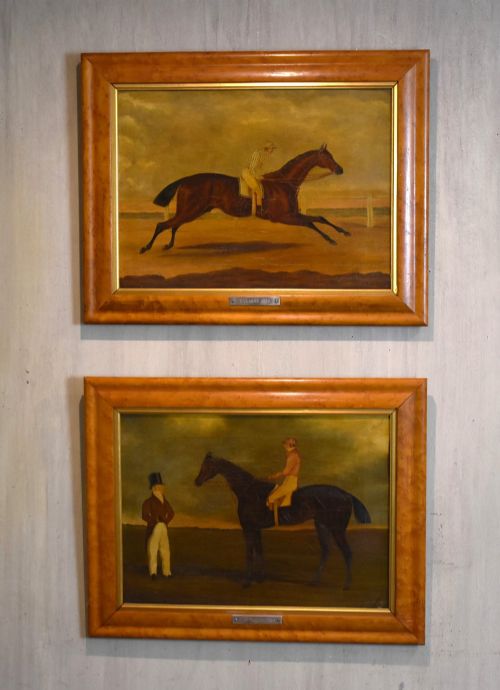
The subjects focus heavily on working animals, including gun dogs, terriers, greyhounds and hunting horses. Field sports such as hare coursing, fishing, game shooting and fox hunting also form core themes.
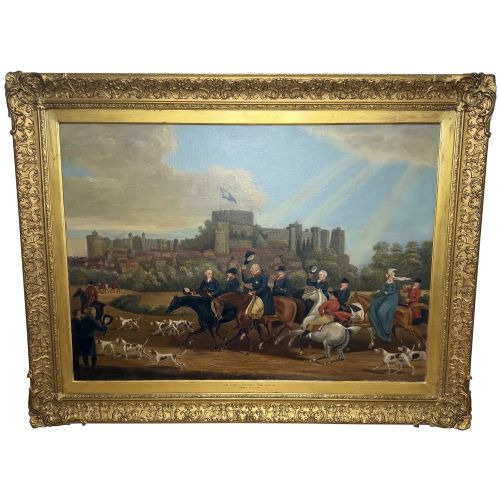
Human figures occasionally appear alongside the animals, portraying country gentlemen, young hunters or riders gathered before historical halls.
How were these paintings displayed?
These artworks hung traditionally in country house libraries, halls, studies and stairwells to celebrate family estates and rural hobbies. Large gilt frames allowed the canvases to command spacious interior walls.
Smaller watercolours and engravings were often grouped in pairs or series along corridors and private chambers.
How do I date a piece?
Dating relies on costume details, framing styles, stretcher construction and handwritten inscriptions on the reverse of the canvas or board. Nineteenth-century works often display specific Victorian aesthetic traits in their framing.
Named artists with recorded exhibition dates provide a reliable anchor for placing the creation period accurately.
Are these works original or prints?
The selection includes both unique hand-painted works in oil and watercolour and mass-produced reproductive prints. Original oils display visible brushwork and texture on canvas or board.
Engravings and lithographs show fine dot patterns or plate marks under close inspection, often enhanced by hand-applied watercolour washes.