



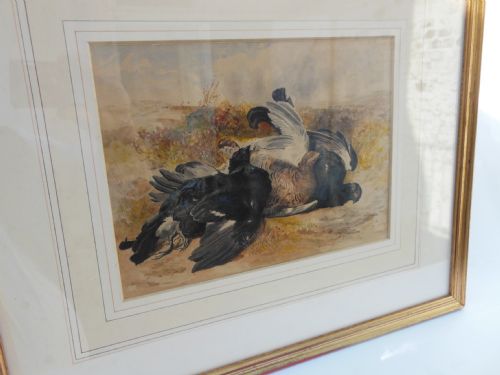

19th Century Bird Study
These 19th century bird study pieces bring natural history into the room through period watercolour, oil and engraving.
19th Century Bird Study
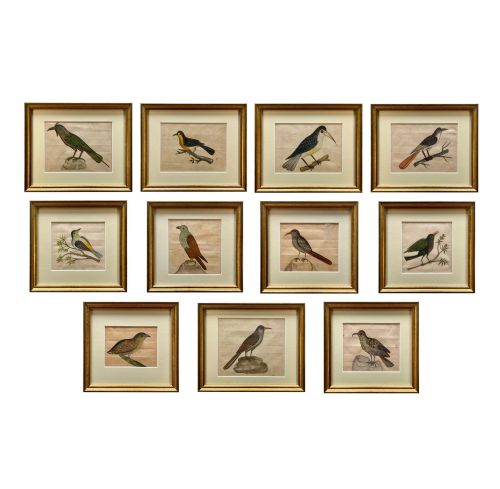
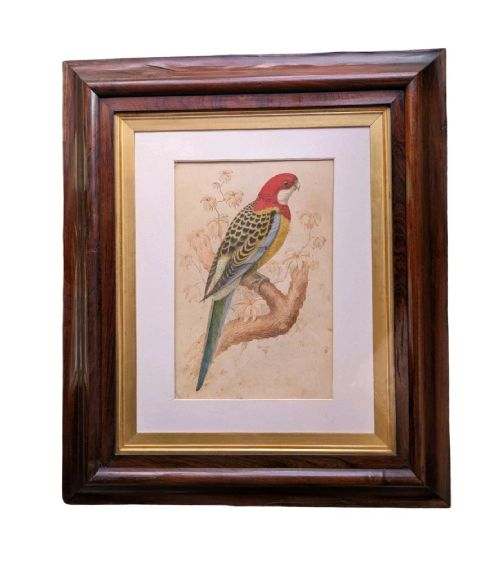
A 19th century bird study captures ornithological subjects through detailed watercolour paintings, decorative plates and framed engravings. Buyers seeking these works find Victorian natural history representations ranging from parrots and lapwings to blue tits and black game.
The pieces on this page appear most frequently as framed watercolours or engravings executed during the Victorian era and the early decades of the twentieth century. Forms include individual wall art, fine art paintings and sets of prints housed in timber frames or ebonised wood with gilt mounts.
How they were made
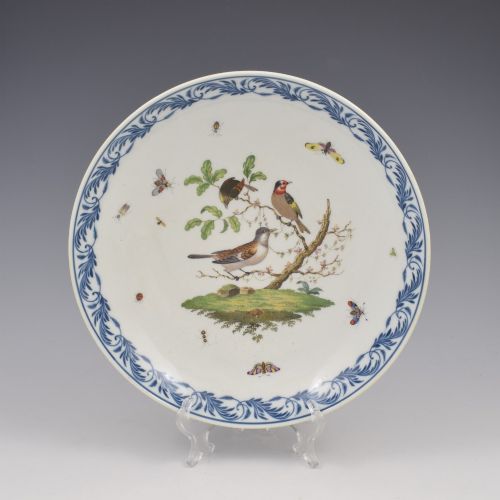
Artisans and artists worked primarily with watercolour on paper, oil on canvas and hand-coloured engraving plates to record avian subjects. Porcelain dessert dishes also served as a medium for detailed ornithological painting during the mid-nineteenth century.
Framing materials matched the domestic interiors of the period, utilising timber frames, deep giltwood mounts and glass protection to preserve the delicate pigments of paper works over time.
19th Century Bird Study Retail Price Guide 2026
Typical asking prices for 19th century bird study among the pieces listed under this phrase on Sellingantiques today, from the lower quarter to the upper quarter. They describe what is for sale here now, not the wider market.
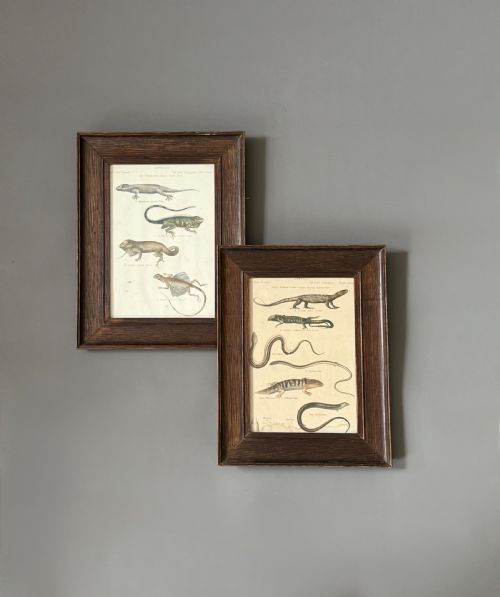
Some bird studies share space with early reptile engravings by William Bird MD FLS.
What varies in quality
Quality rests in the precision of the draughtsmanship and the fidelity of the ornithological rendering. Works by named artists or naturalists demonstrate superior anatomical accuracy in feather structure and posture compared to anonymous decorative output.
The preservation of the paper support and the clarity of the pigment influence overall standard. Original framing with period gilt slips and ebonised moulding adds distinction to surviving examples.
William Bird·R. Hurst·Meissen·William Andrews Nesfield·Arthur Wardle·William Swainson
The 19th Century Bird Study Glossary
- Engraving
- A printmaking technique where an image is incised into a metal plate, allowing multiple impressions on paper. These sheets were frequently hand-coloured afterwards.
- Watercolour
- A painting method where pigment is suspended in a water-based solution on paper. It remains the primary medium for delicate ornithological studies.
- Ebonised frame
- Wood treated with a dark finish to resemble ebony, popular in nineteenth-century framing. It provides high contrast for gilt mounts and paper works.
- Ornithological
- Pertaining to the scientific study or depiction of birds. These plates and paintings often record specific species with taxonomic care.
19th Century Bird Study: Frequently Asked Questions
What subjects appear in these studies?
The works depict various avian species, including parrots, lapwings, blue tits and game birds.
Artists rendered these subjects with scientific observation and artistic precision.
How are these pieces usually framed?
Frames typically consist of timber, often ebonised and complemented by deep giltwood mounts.
Glass protects the fragile watercolour surfaces and paper engravings from environmental damage.
Are these works original or printed?
The selection includes both unique hand-painted watercolours and original period engravings.
Engraved plates were frequently hand-coloured at the time of publication.
How do I date a 19th century bird study?
Dating relies on stylistic evidence, artist documentation and framing materials associated with the Victorian period.
Paper quality and inscriptions often provide further chronological context.