

Framed Bird Artwork
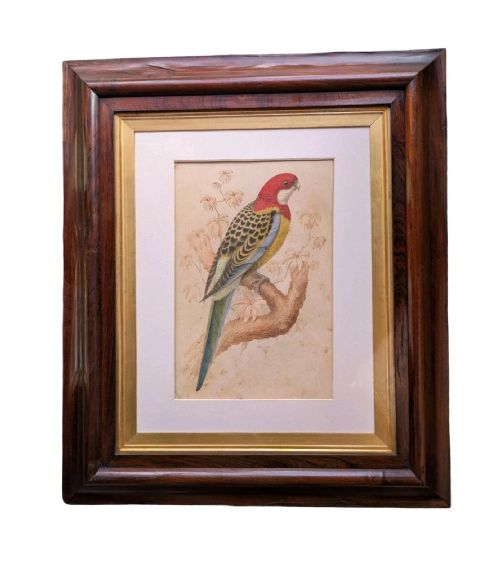
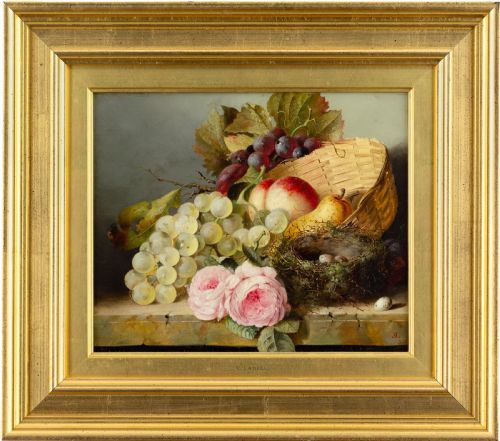
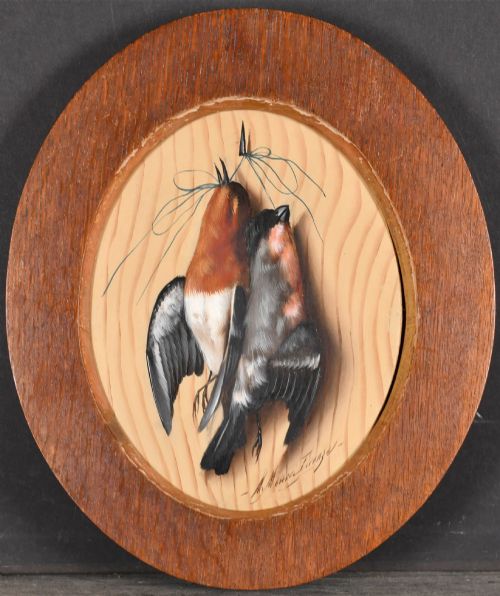
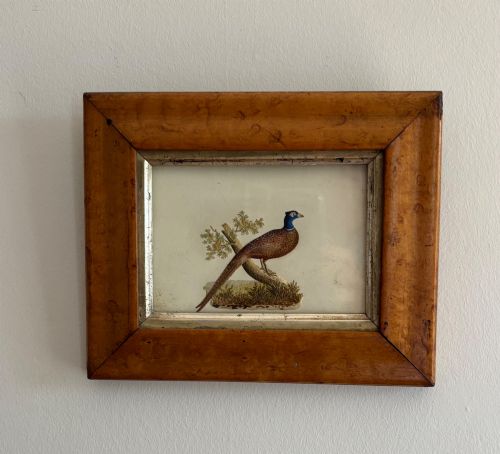
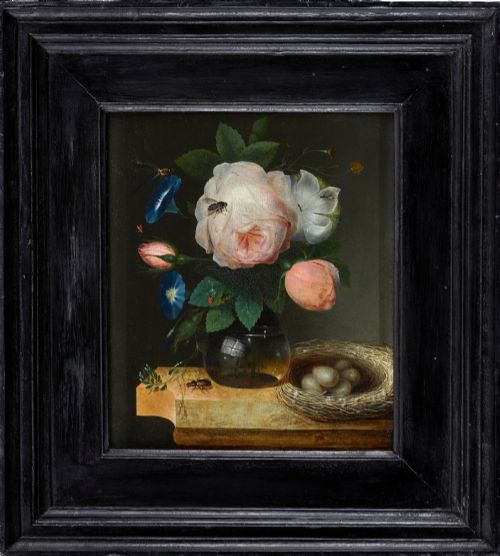
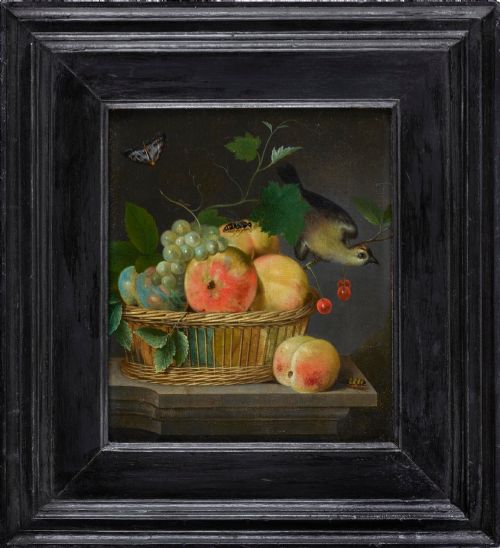
These framed bird artwork pieces capture centuries of avian observation through delicate watercolours, oils, and detailed prints.
Framed Bird Artwork
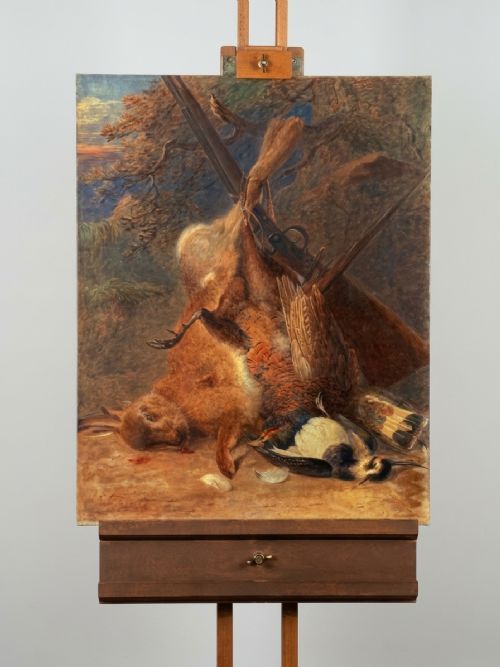
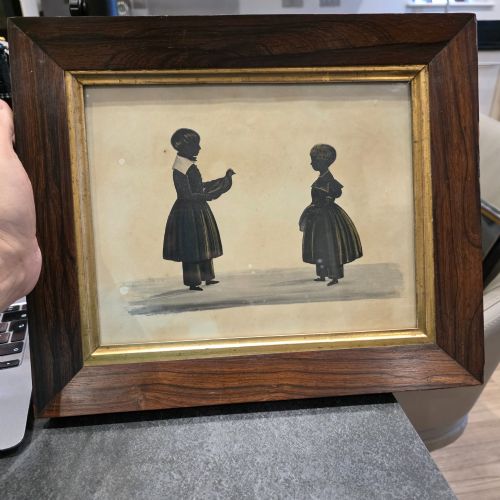
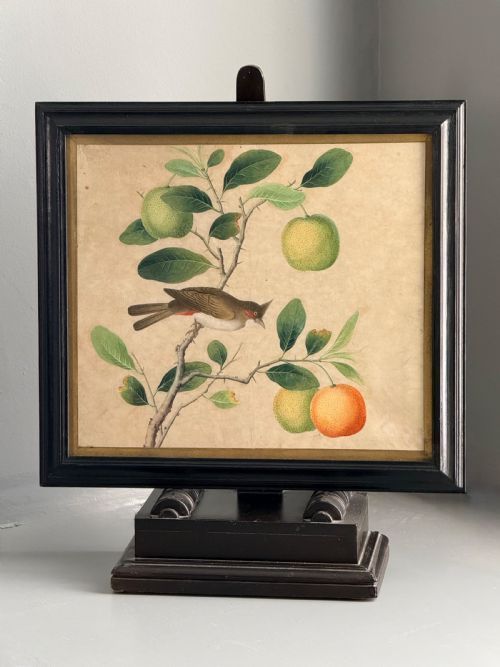
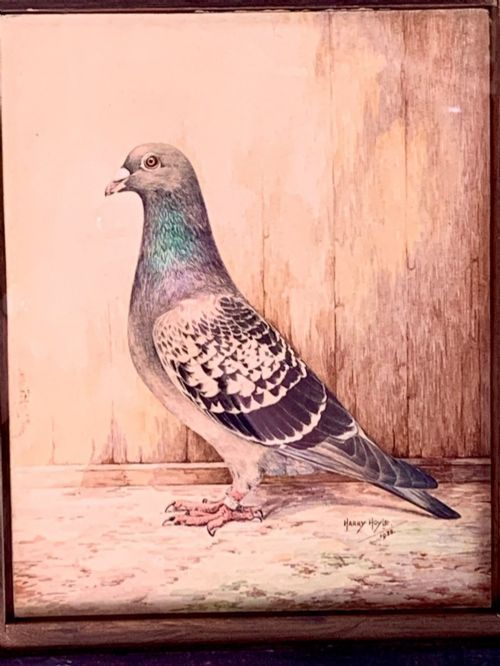
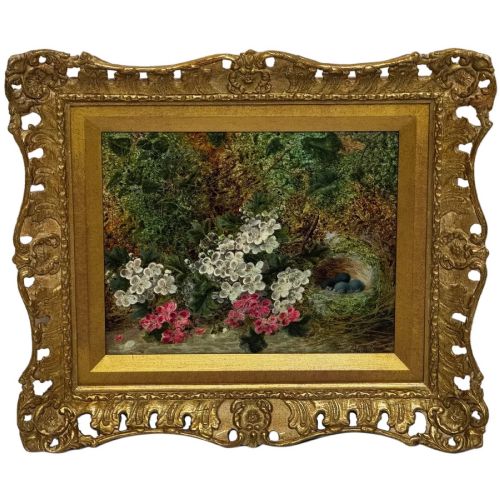
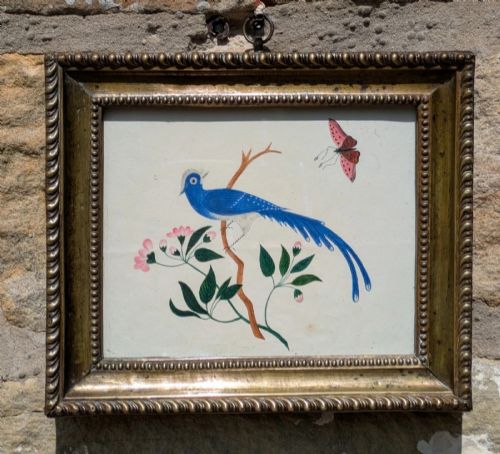
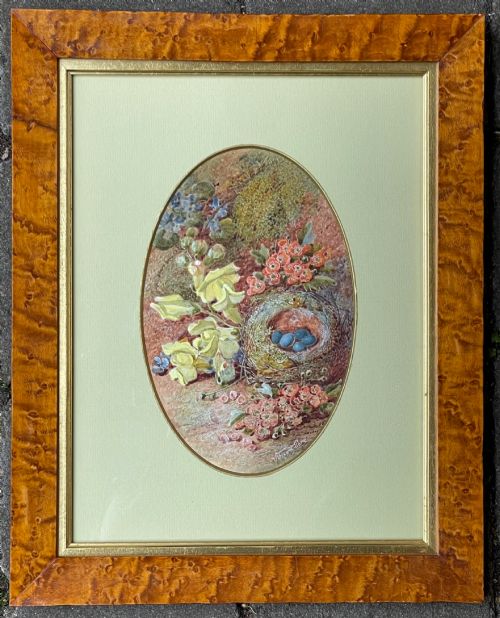
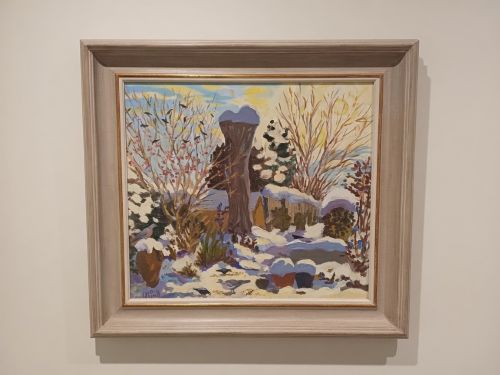
Framed bird artwork brings the natural world indoors through historic paintings, watercolours, and illustrated plates from the eighteenth, nineteenth, and twentieth centuries. These pieces range from scientific natural history watercolours and exotic parrots to still life compositions featuring birds, nests, and feathers.
Subject matter spans meticulous ornithological illustration, decorative folk art, and dramatic seventeenth-century style Flemish baroque compositions. Each piece reflects the aesthetic values of its era, whether through scientific precision or romantic naturalism.
Materials and Technique
Artists painted these subjects using watercolours, bodycolour, and oil paint applied to paper, canvas, panel, and pith paper. Many works incorporate delicate pencil underdrawings or lithographic printing techniques finished with hand-colouring.
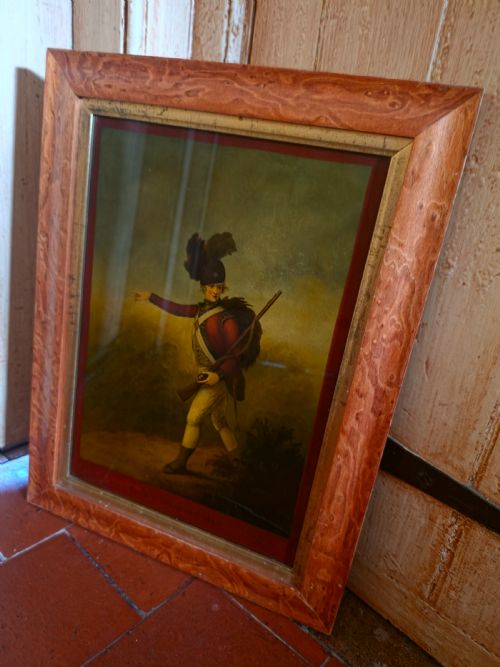
Frames utilise traditional timber construction, often finished with gold leaf, ebonised surfaces, or lacquered panels adorned with mother-of-pearl inlay. Reverse glass painting and micromosaic techniques also appear among the specialised methods used to depict avian subjects.
Listings feature watercolours, oil paintings, and lithographs across eighteenth, nineteenth, and twentieth-century periods.
Assessing Quality
Quality rests upon the precision of the brushwork and the anatomical accuracy of the bird depicted, distinguishing careful observation from generic illustration. Master painters capture feather texture, light reflection, and natural posture with striking immediacy.
The condition of the paper or canvas and the originality of the frame significantly influence the standing of a piece. Well-preserved pigments retain their vibrancy, whereas inferior works suffer from fading or heavy restoration that obscures the original detail.
George Sydney Shepherd·Oliver Clare·Vincent Clare·Michelangelo Meucci·Samuel Dixon·Gaspar Peeter Verbruggen·Frederick Tatham·David Orr Kerr·Ralston Gudgeon·Michael Dahl·Elisabeth Frink·Philipp Ferdinand de Hamilton·Marmaduke Cradock·Jacob Bogdani·Henri Joseph Pauwels
The Framed Bird Artwork Glossary
- Bodycolour
- Watercolour mixed with white pigment to create an opaque, gouache-like finish that adds dense highlights to plumage. This technique provides stronger contrast than transparent washes.
- Lithograph
- A print produced from a flat stone or metal plate treated to retain ink in designated image areas. These prints often received meticulous hand-colouring.
- Pith paper
- A delicate material made from the pith of the rice paper plant, used in Asian export art for vibrant gouache paintings. It yields a characteristic velvety surface texture.
- Micromosaic
- Tiny coloured glass tesserae assembled into intricate pictorial scenes. These panels were frequently set into ebonised frames during the nineteenth century.
- Reverse glass painting
- An image applied directly to the back of a glass sheet, viewed from the front to produce a glossy finish. This method requires the artist to paint background details before foreground elements.
Framed Bird Artwork: Frequently Asked Questions
What periods do these artworks cover?
The pieces span from the seventeenth century through to the mid-twentieth century. This timeline includes Georgian, Regency, and Victorian examples alongside later modern interpretations.
Earlier works often reflect baroque influences or scientific naturalism, while twentieth-century examples lean towards impressionistic or stylized representations.
How should I hang and light these pieces?
Historic watercolours, gouaches, and works on paper are sensitive to direct sunlight and require placement away from bright, south-facing windows. Use UV-filtering glass where possible to protect delicate pigments from fading.
Lighting should be kept indirect and gentle, utilising low-heat LED picture lights or ambient room illumination to preserve the integrity of the paper and paint.
Are the frames original to the artwork?
Many pieces retain their period frames, such as ebonised wood, gilded moulding, or lacquered borders appropriate to their manufacturing era. Some works have been reframed later in their lifespan to ensure proper structural support and conservation.
Examining the corner joints, backing boards, and patina helps determine whether a frame matches the age of the artwork inside.
How do I distinguish watercolours from oil paintings?
Watercolours and bodycolour are executed on paper or pith and are almost universally displayed beneath protective glass. They exhibit a flat or softly opaque surface texture without canvas weave.
Oil paintings are typically applied to canvas or wood panels, presenting a richer impasto texture and a distinct sheen. They do not strictly require glass protection unless the canvas is particularly vulnerable.