



Antique Mythological Artwork
Antique mythological artwork gathers classical deities, nymphs, and legendary narratives across oil paintings, engravings, and bronzes.
Antique Mythological Artwork
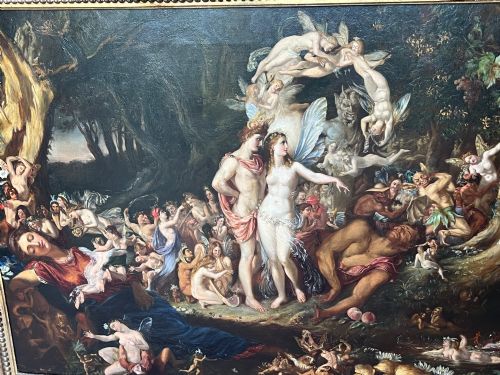
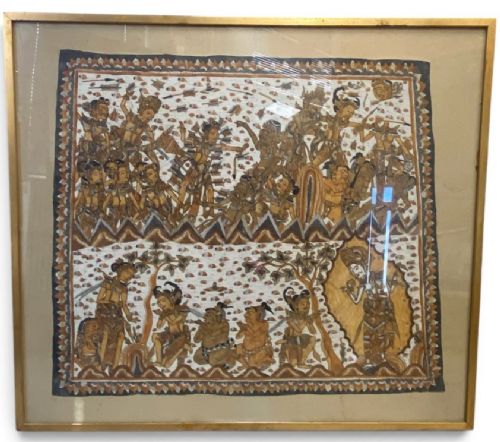
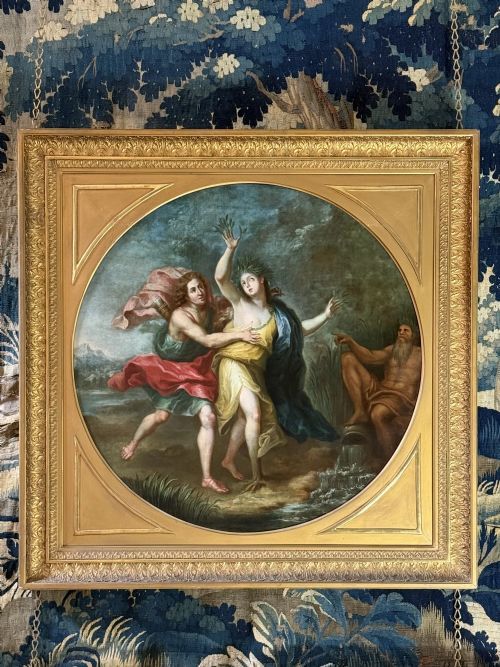
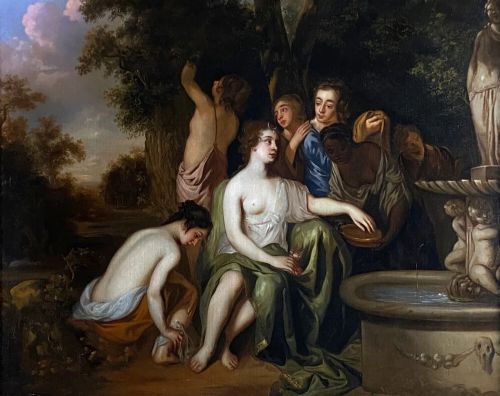
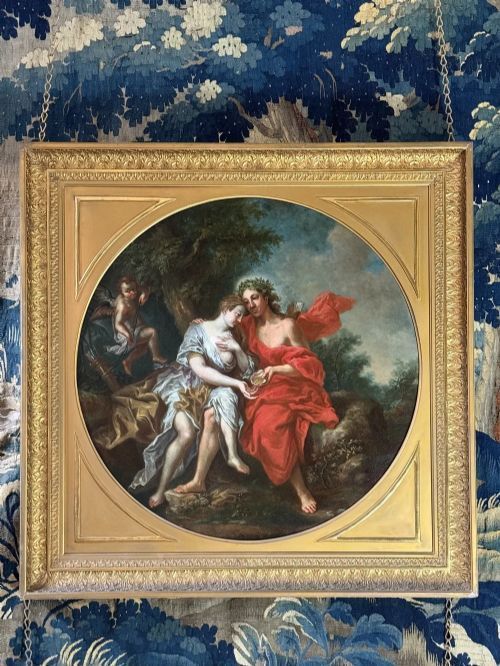
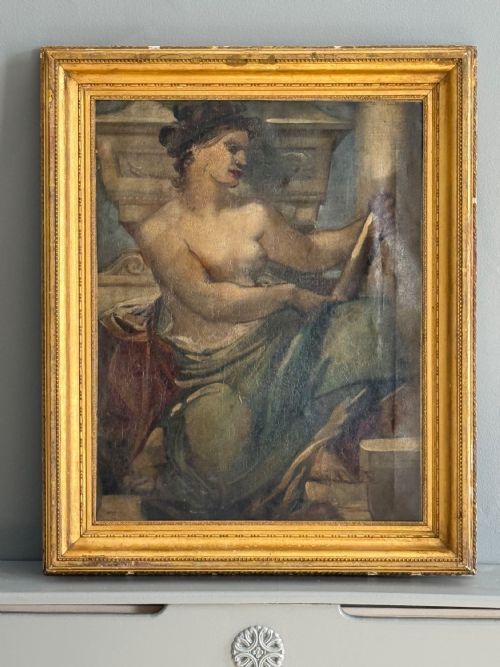
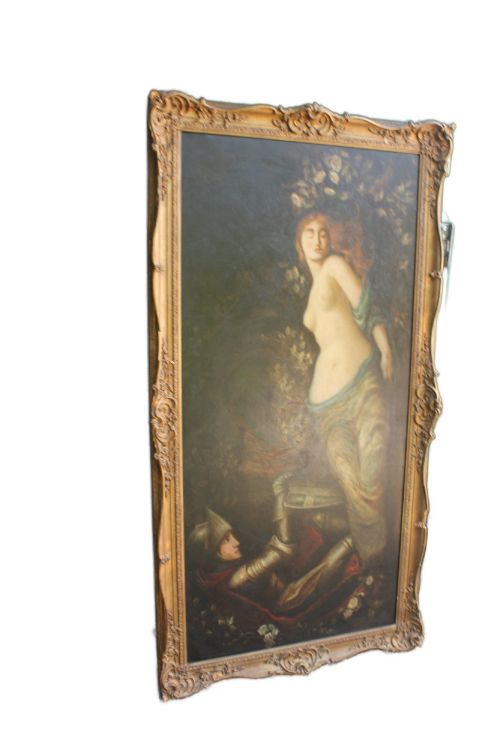
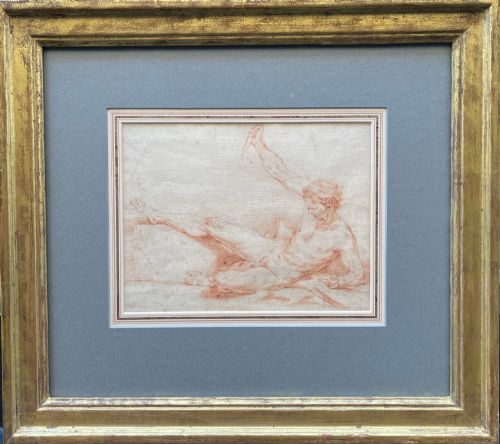
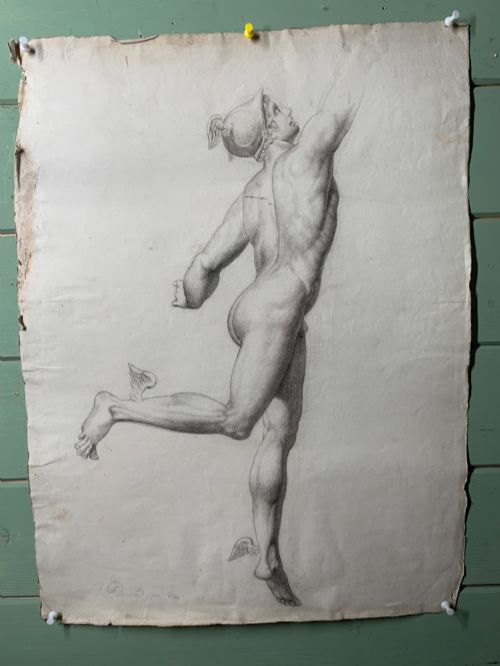
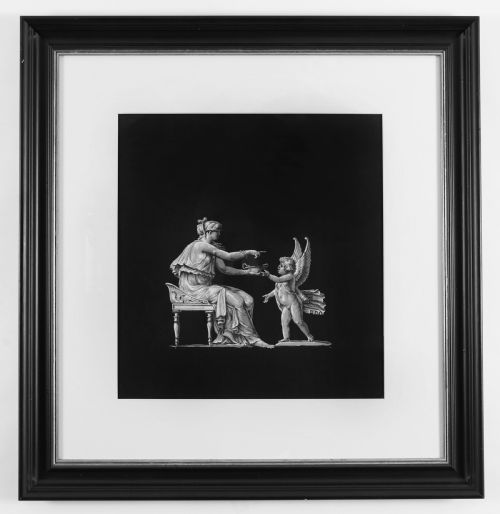
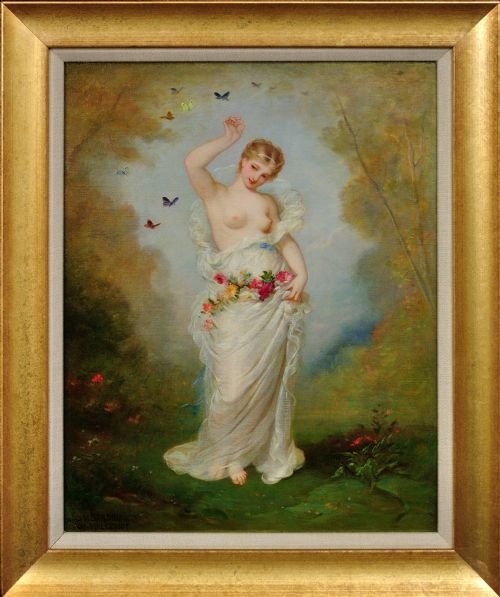
Antique mythological artwork encompasses depictions of classical deities, nymphs, cherubs, and legendary narratives spanning several centuries of European and global production. Pieces range from grand 17th-century Baroque oils and 18th-century French academic works to 19th-century Pre-Raphaelite interpretations and Victorian watercolours. Buyers encounter various forms on this page, including framed canvas paintings, delicate paper drawings, etchings, and cast bronze reliefs.
Subjects draw heavily from Greek and Roman mythology, featuring figures such as Venus, Apollo, Diana, and Bacchus within landscape or narrative settings. Works appear both as original compositions by named continental painters and as period prints or engravings after master artists. The selection demonstrates how successive centuries reinterpreted classical legends through distinct regional lenses, from Flemish Baroque to French Rococo and Italian Renaissance Revival.
Materials and technique
Makers employed oil paint on canvas or wood panels for rich pictorial depth, utilising layered glazes to render flesh tones and drapery in academic and baroque traditions. Works on paper rely on ink, gouache, pencil, and watercolour to achieve fine linear precision in detailed mythological scenes. Engravings and etchings utilise metal plates to transfer intricate lines onto paper, capturing precise illustrative detail from classical compositions.
Sculptural pieces and relief panels utilise bronze and copper, shaped through casting to give three-dimensional form to mythological figures and putti. Frames often consist of carved wood and giltwood, matching the period aesthetic of the paintings and works on paper they enclose.
Several pieces capture cherubs caught in mischievous moments, proving that even immortal deities suffered from toddler-like distraction.
Evaluating quality and execution
Quality rests upon the anatomical precision of the figures, the expressive handling of the medium, and the fidelity of the composition. Superior examples demonstrate confident brushwork in oil or precise line work in engravings, successfully conveying movement and classical proportion. Lesser pieces show stiffness in the rendering of limbs or flat application of pigment lacking tonal depth.
The sophistication of the narrative setting also distinguishes finer works, where background landscapes and symbolic attributes integrate harmoniously with the central deities. Original hand-painted oils and early strike engravings generally command greater artistic interest than later reproduction prints.
Sir Joseph Noel Paton·Charles-Antoine Coypel·Sir Peter Lely·Hyacinthe Colin de Vermont·André Charles Voillemot·Antoine Calbet·Cornelis Van Poelenburgh·Arthur Hacker·William Edward Frost·Peter Paul Rubens·Andrea Mantegna·Montagu Barstow·James Basire
The Antique Mythological Artwork Glossary
- Neoclassical
- A style originating in the mid-18th century drawing inspiration from the classical art and culture of ancient Greece and Rome. It prioritises restraint, linear precision, and heroic subject matter.
- Putto
- A figure of a small winged infant, frequently found in classical and renaissance art representing cherubs or cupids. Plural form putti appears often in sculptural groups and painted compositions.
- Baroque
- An artistic style prevalent from the early 17th century through the mid-18th century, characterised by dramatic movement, deep colour, and exuberant detail. It aims to evoke emotional intensity and grandeur.
- Etching
- A printmaking process where lines are incised into a metal plate with acid before ink is applied and transferred to paper. This technique allows for fine, fluid detail in illustrative works.
- Academic
- Art produced under the influence of European academies of art, following strict standards of composition, historical narrative, and idealised human anatomy. It heavily favours mythological and historical themes.
Antique Mythological Artwork: Frequently Asked Questions
What is antique mythological artwork?
Antique mythological artwork consists of paintings, drawings, prints, and sculptures depicting stories and figures from classical mythology, produced primarily between the seventeenth and early twentieth centuries.
These pieces reflect the enduring European fascination with Greek and Roman legends, translating ancient tales into the visual idioms of specific historical periods.
How were these artworks displayed?
Historically, mythological paintings and framed engravings hung in private drawing rooms, libraries, and galleries as symbols of classical learning and refined taste.
Bronze groups and sculptural reliefs adorned mantelpieces and tabletops, serving as tactile focal points for domestic interior decoration.
How do I date a mythological painting?
Dating relies on stylistic markers such as the painterly freedom of the Baroque, the pastel palette of the Rococo, or the rigorous academic precision of the Victorian era.
Support materials, canvas types, and framing styles also provide physical evidence that helps narrow down the decade or century of creation.
How do I care for antique works on paper?
Works on paper, including watercolours, drawings, and engravings, require protection from direct sunlight to prevent fading of the pigments and yellowing of the sheet.
Framing should utilise acid-free mounts and UV-filtering glass to maintain the structural integrity of the paper over time.