
19th Century Equestrian Artwork
19th century equestrian artwork captures the power and presence of horses through detailed oil paintings, watercolours, and prints.
19th Century Equestrian Artwork
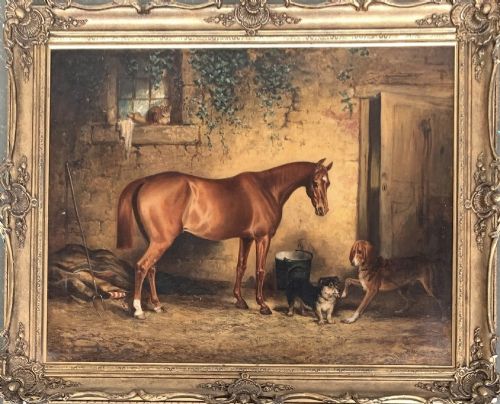
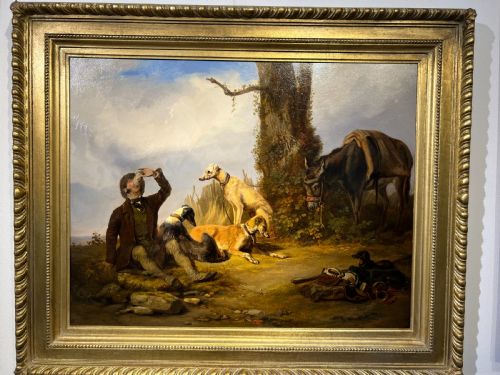
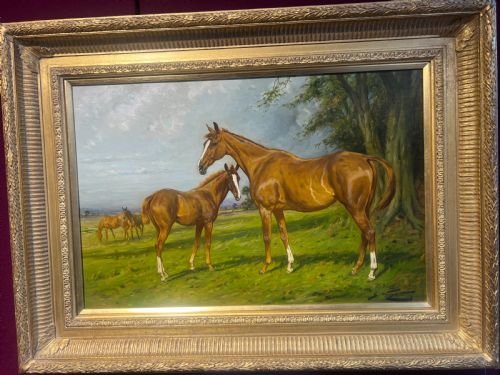
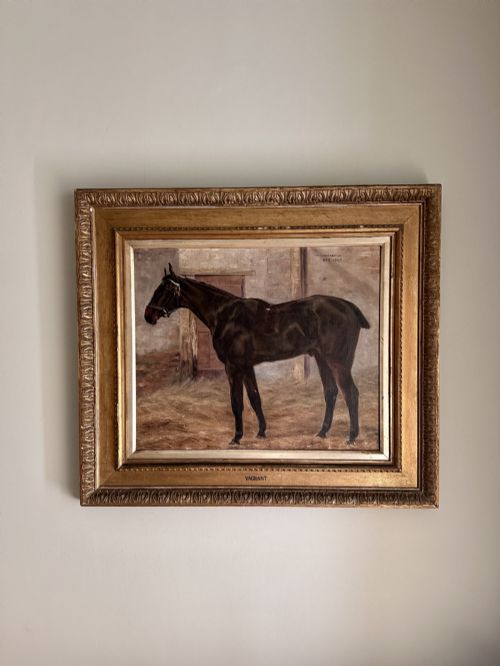
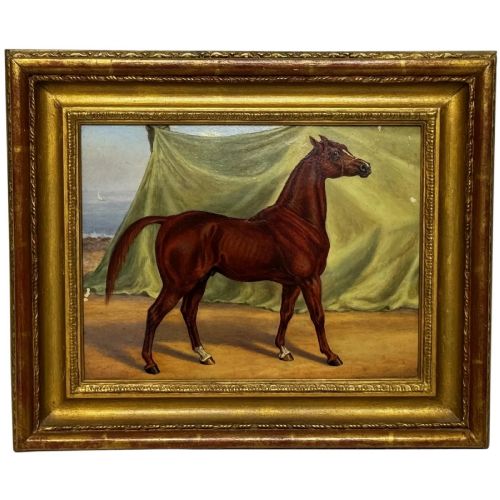
When you search for 19th century equestrian artwork, you encounter a visual record of horses, hunting scenes, and rural life spanning the Georgian, Victorian, and later decades. These pieces focus heavily on equine portraits, hunting studies, and sporting events recorded by period artists.
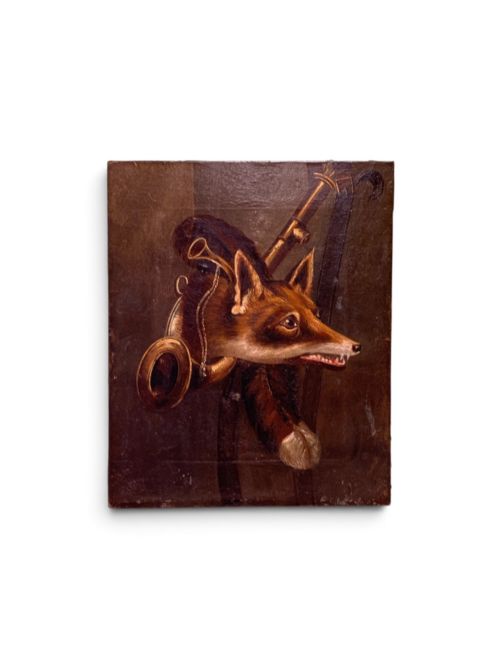
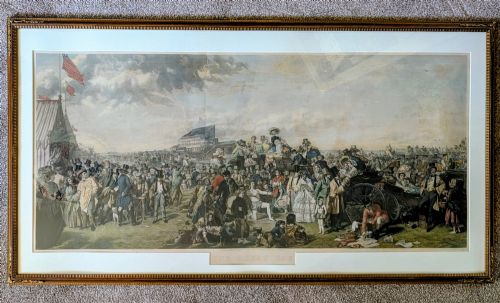
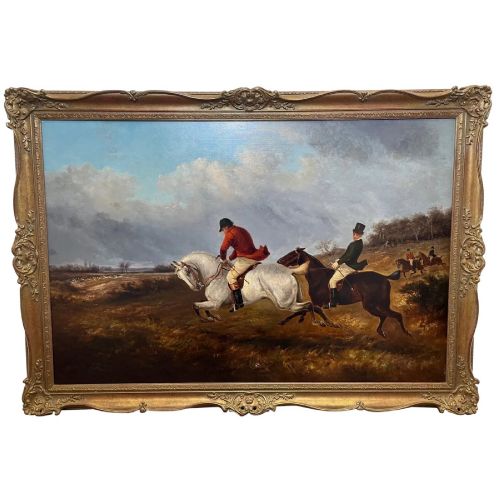
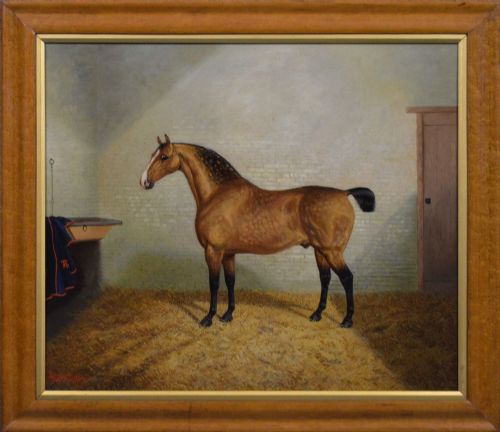
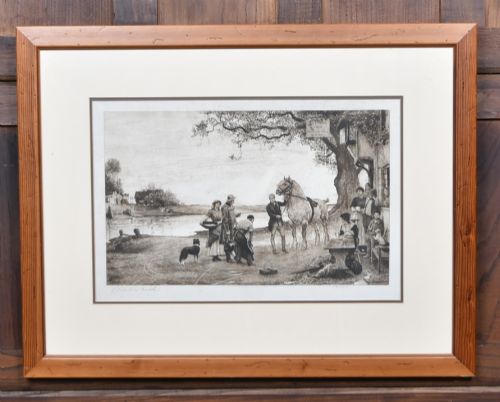
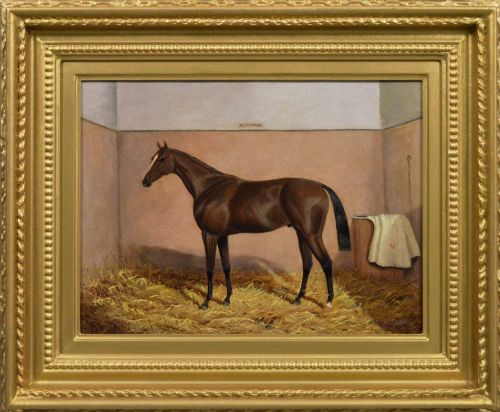
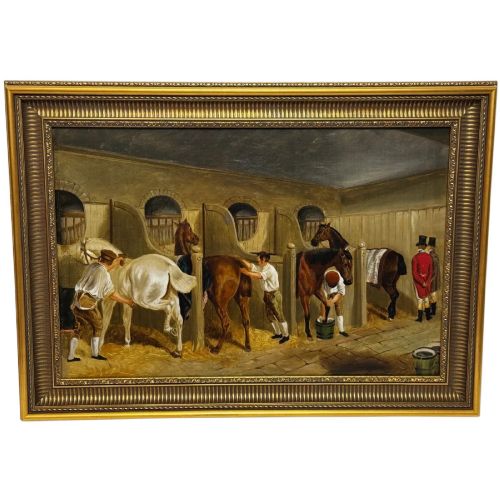
You are most likely to meet oil paintings on canvas, frequently housed in giltwood frames, alongside watercolours, etchings, and engravings. The subjects range from individual named racehorses and hunters in stables to expansive landscape scenes featuring hounds and riders.
The selections reflect both British and continental schools, encompassing formal portraiture of prized animals and dynamic depictions of racing and rural labour. Works span from the early 1800s through to the turn of the twentieth century.
How They Were Made
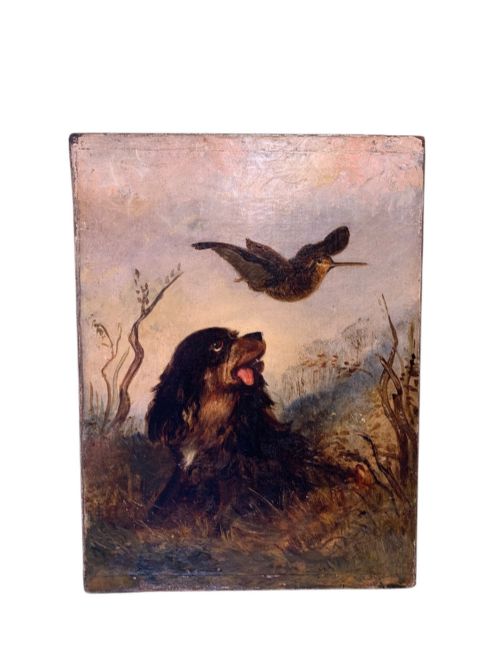
Artists utilised oil paint on stretched canvas or panel to build up rich textures, rendering the musculature of horses and the sheen of their coats with careful brushwork. Watercolours on paper offer a lighter touch, capturing transient outdoor light and movement.
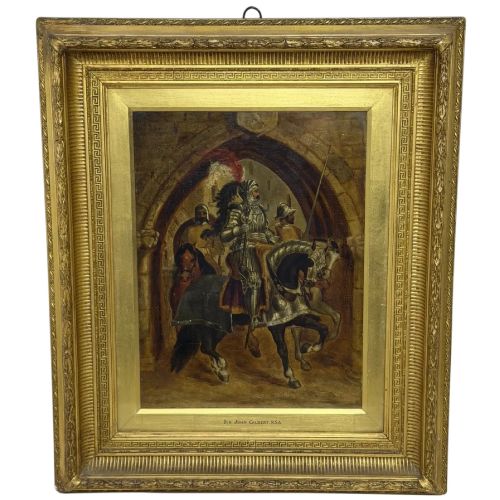
Framing played an integral role, with many works set within moulded gilt wood or giltframed surrounds that enhanced the visual depth of the composition. Engravings and etchings were mechanically or manually printed on paper, often published in sets to document sporting events.
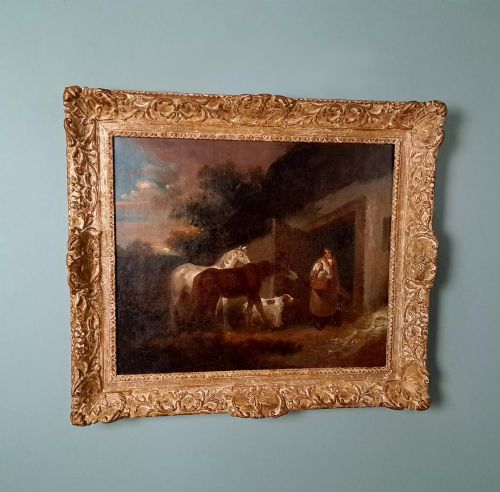
Artworks document eccentric moments, including a young foal caught stealing fruit from a basket.
What Varies in Quality
The standard of execution in equine art depends upon the artist's anatomical precision and ability to convey the distinct personality and conformation of the animal. Master painters captured light, movement, and proportion with convincing authority, whereas lesser works rely on stiff composition and formulaic backgrounds.
Provenance and documentation also separate works, as identifiable subjects with known histories and listed artists command greater interest. The preservation of the original medium, whether oil pigment or paper surface, maintains the integrity of the piece.
Henry Barraud·William Joseph Shayer Senior·Thomas Smythe·Albert Clark·Sir Edwin Henry Landseer·George Wright·Fred Fitzpatrick·John Ferneley Senior·John Frederick Herring Jnr·George E Sharpe
The 19th Century Equestrian Artwork Glossary
- Oil on Canvas
- Pigment mixed with drying oil applied to a woven fabric support stretched across a wooden frame. This medium allowed artists to achieve deep tonal variation and durable finishes.
- Giltwood
- Wood carved and coated with a thin layer of gold leaf or metallic gilt powder. It is commonly found on traditional frames surrounding Victorian paintings.
- Etching
- A printmaking process where lines are bitten into a metal plate with acid before ink is applied and transferred to paper. This technique permits fine, detailed line work.
- Equine Portrait
- A standalone painting or drawing dedicated to recording the specific likeness of a horse. These works frequently identify the animal by name in the title or inscription.
- Sporting Art
- Depictions of rural pastimes, hunting, shooting, and horse racing. This genre flourished during the Victorian era through specialised painters and printmakers.
19th Century Equestrian Artwork: Frequently Asked Questions
What subjects appear in these artworks?
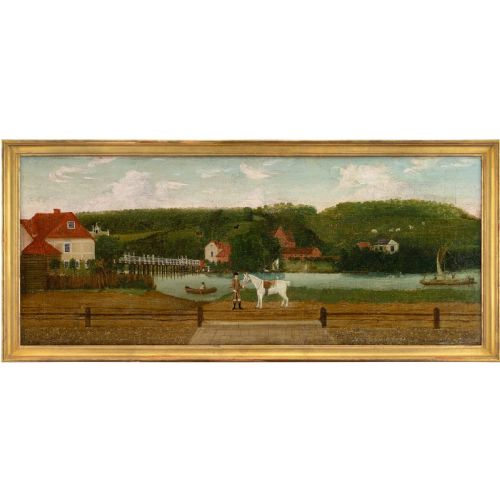
The pieces display individual horse portraits, hunting scenes with hounds, racing horses, and farmyard landscapes. Animals are frequently shown in stables or navigating open countryside.
Human figures occasionally accompany the horses, representing grooms, gentlemen riders, or rural workers engaged in daily estate management.
How do I identify the period?
Periods are identified through the clothing styles of any human figures, framing techniques, and recorded dates within the titles or signatures. Victorian works often display rich gilt frames and specific sporting attire.
Early nineteenth-century pieces typically exhibit Georgian palette choices and distinct landscape backgrounds associated with that era.
Where were these pieces displayed?
Original oil paintings and watercolours were hung in country houses, estate drawing rooms, and stable offices to celebrate prized animals and hunting triumphs. Prints and engravings circulated more broadly among sporting enthusiasts.
Many works retain framing or labels that hint at their past residences within historic British estates and galleries.
How should I care for them?
Protect oil paintings and works on paper from direct sunlight to prevent fading of pigments and degradation of the canvas or paper support. Stable indoor humidity helps preserve both the wooden stretchers and the gilt frames.
Avoid hanging pieces near direct heat sources which can cause paint to crack or paper to become brittle over time.